Complete Guide to Anti-aging Injection Regrows Knee Cartilage And Prevents Arthritis
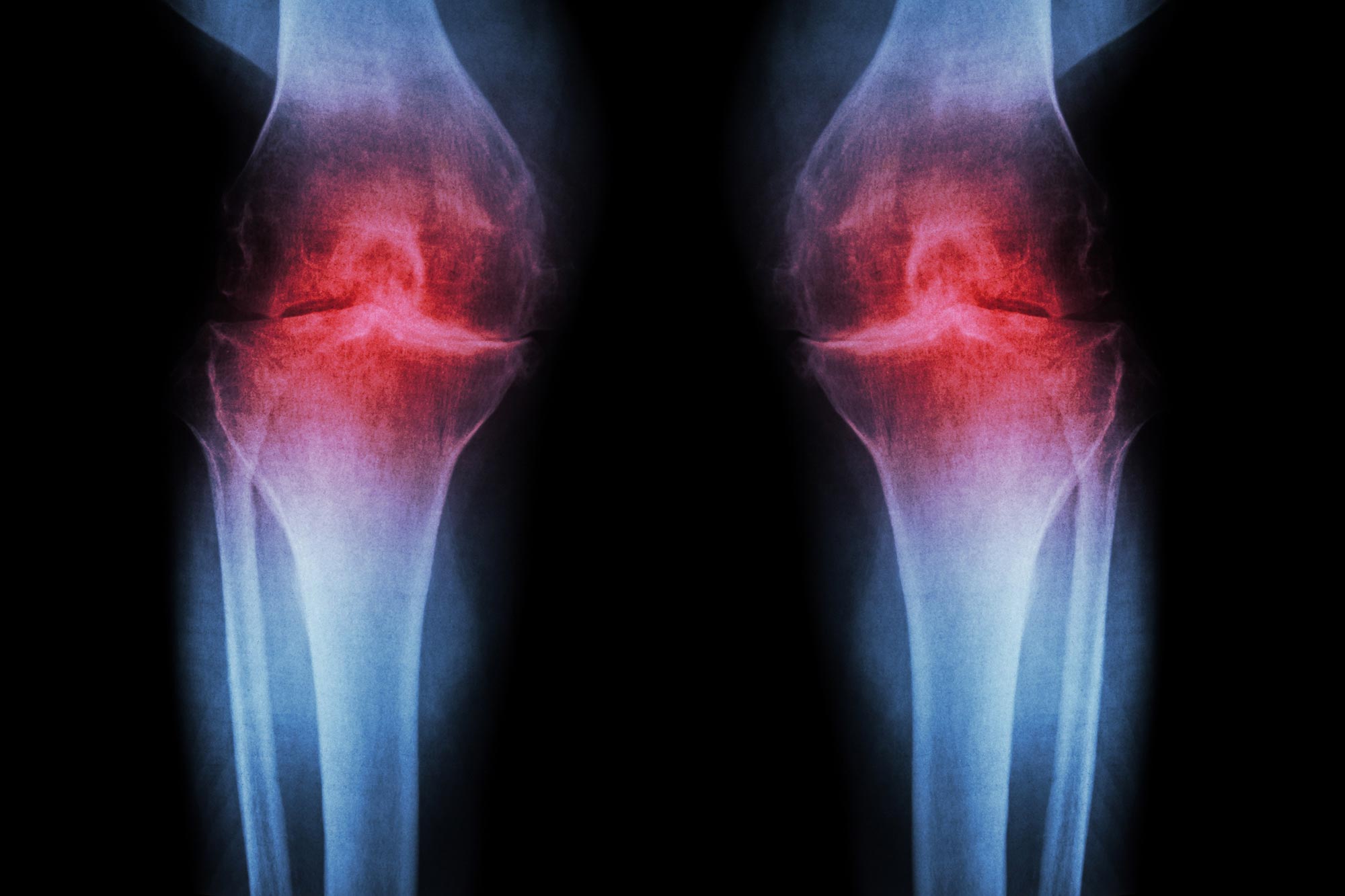
A treatment that blocks an age-related protein restored cartilage in aging and injured joints by reprogramming existing cells rather than using stem cells.
Researchers at Stanford Medicine report that blocking a protein linked to aging can restore cartilage that naturally wears away in the knees of older mice. In the study, the injectable treatment not only rebuilt cartilage but also stopped arthritis from developing after knee injuries similar to ACL tears, which are common among athletes and active adults. A pill-based version of the same therapy is already being tested in clinical trials aimed at treating muscle weakness associated with aging.
Human knee tissue collected during joint replacement surgeries also responded positively to the treatment. These samples, which include both the joint’s supporting extracellular scaffolding, or matrix, and cartilage-producing chondrocyte cells, began forming new cartilage that functioned normally.
Together, these findings point to the possibility that cartilage lost through aging or arthritis could one day be restored using a localized injection or an oral medication, potentially eliminating the need for knee or hip replacement surgery.
Rather than easing symptoms, the treatment works by addressing the underlying driver of osteoarthritis. This degenerative joint condition affects roughly one in five adults in the United States and generates an estimated $65 billion in direct health care costs each year. At present, no available medication can halt or reverse the disease, leaving pain management and joint replacement as the primary treatment options.
The therapy targets a protein called 15-PGDH, which becomes more abundant as the body ages and is classified as a gerozyme. Gerozymes, first described by the same research team in 2023, play a central role in aging by contributing to the gradual decline of tissue function. In mice, rising levels of 15-PGDH are a key factor in the loss of muscle strength that occurs with age. When scientists block this protein using a small molecule, older mice show gains in muscle mass and endurance. In contrast, forcing young mice to produce 15-PGDH causes their muscles to weaken and shrink. The protein has also been linked to the regeneration of bone, nerve, and blood cells.
In those tissues, repair depends on the activation and specialization of tissue-specific stem cells. Cartilage behaves differently. Instead of relying on stem cells, chondrocytes alter their gene activity i
Source: HackerNews
