Arc Raiders And Battlefield 6 Prove That Great Performance And Low...
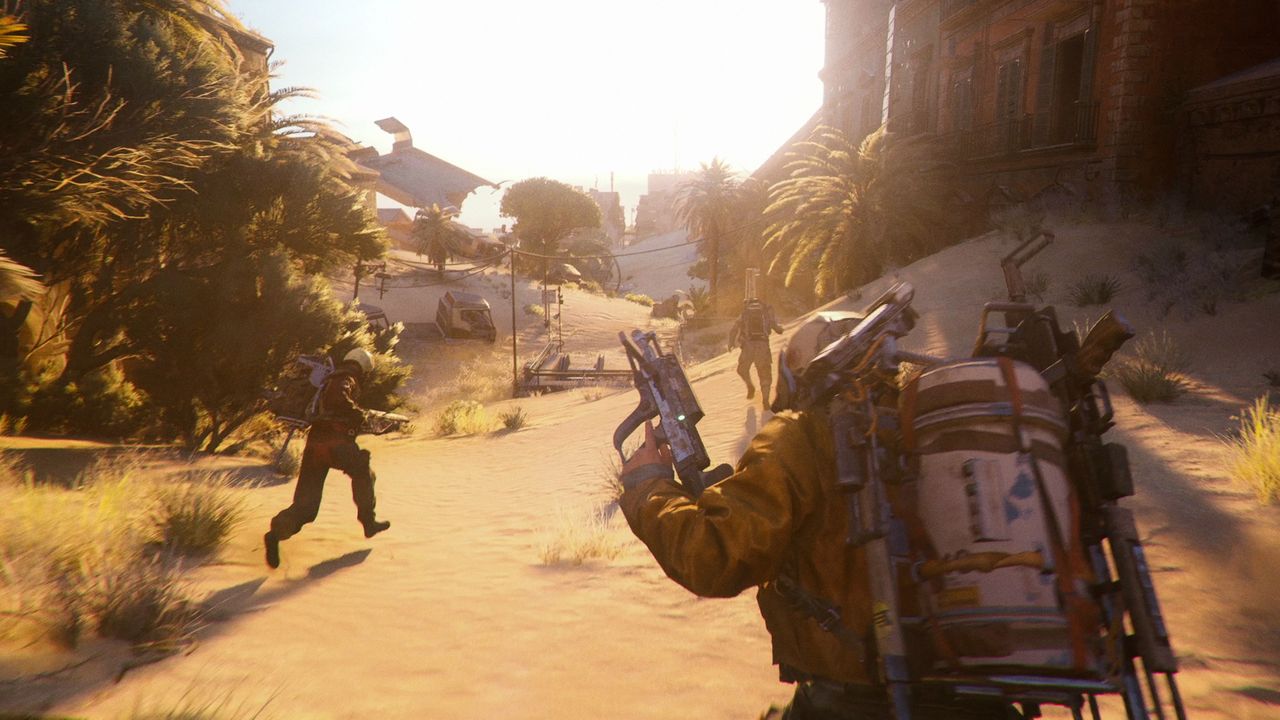
It'll be no surprise to most of you that Arc Raiders is a popular game, as I'm sure you've seen it splashed across your newsfeeds over the past few days. It's so popular, in fact, that its servers had a brief wobble over the weekend as more than 350,000 people tried to jump in after the game's official launch last Thursday, an impressive result for a new IP from a medium-sized developer.
It's not the only multiplayer game boasting huge player counts at the moment, either. Battlefield 6 managed a massive 747,000 concurrent players earlier in the month, off the back of a mostly-well-received launch.
Of course, there's no one single reason why both of these games attracted so many players to their respective worlds. Battlefield 6 is the latest entry in a long and storied series, whereas Arc Raiders has taken the extraction shooter formula and refined it down to an easy to learn, hard to master point, to name just two.
But I'll tell you one thing I think has made a major difference to those player uptake numbers—low hardware requirements. Sure, there have been some highly demanding successful releases this year, like Borderlands 4, Oblivion Remastered, and Assassin's Creed Shadows. But these mostly single-player games, while boasting good player numbers at various points in their own right, all require some powerful modern hardware (and often a good dose of upscaling and frame generation) to get the most out of them.
Which is no bueno for a multiplayer game, particularly when you have ludicrous player targets to hit. As someone who has the luxury of testing out some of the fastest gaming hardware on the planet, it can be easy to forget that most gamers are still running modest machines, as the most recent Steam survey indicates. Sitting king of the hill for desktop GPUs is still the RTX 3060, a now four-year-old budget card, with the 40-series equivalent, the RTX 4060, not far behind.
That's no surprise given current GPU pricing, even if it has settled down in recent months. For most gamers (including myself, with my own money), a graphics card upgrade is something purchased every few years or so, with CPU upgrades usually being even longer than that. I could ramble on here about the cost of living, the fact that wage increases haven't lined up with inflation, etc etc, but my point doesn't require it.
It's simply this: PC hardware is really expensive, the majority of us don't have the cash to make major upgrades every generation, and if a multiplayer gam
Source: PC Gamer