Bitcoin First, Crypto At Scale: Inside The Uae’s Layered Digital...
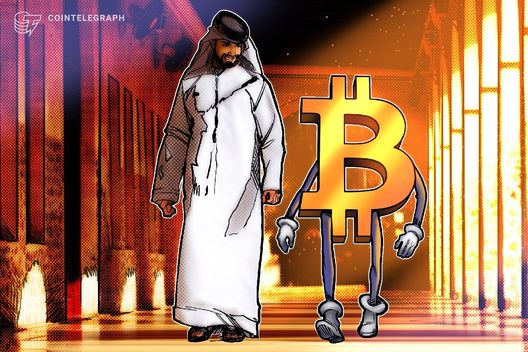
Abu Dhabi is anchoring Bitcoin for institutions, while Dubai builds payments, stablecoins and Web3 use cases into daily commerce.
The United Arab Emirates is not choosing between Bitcoin and broader crypto. Instead, it is deliberately building both, in different cities and for different stages of adoption.
Abu Dhabi, the capital of the UAE, has positioned itself as a hub for Bitcoin (BTC)-focused institutional infrastructure, emphasizing custody, over-the-counter (OTC) liquidity, mining and regulated capital markets. Dubai, by contrast, has built a broader crypto economy that spans payments, stablecoins, Web3 apps, gaming, tokenization and consumer-facing products.
While this shows a distinction, industry participants noted that it reflects a layered strategy and not fragmentation. “The two approaches are complementary,” said Gregg Davis, producer of Bitcoin MENA, the largest Bitcoin-focused event in the UAE.
“A broad digital-asset ecosystem naturally directs attention toward the most secure and time-tested asset — Bitcoin. Together, they create a diverse and dynamic market across the UAE,” Davis told Cointelegraph.
Dubai’s ecosystem maximizes participation and real-world usage, according to Matthias Mende, co-founder of the Dubai Blockchain Center and the founder of the Web3 social verification platform Bonuz.
“In simple terms, Abu Dhabi is building ‘crypto Wall Street,’ while Dubai is building the place where people actually use this technology every day,” Mende said.
Davis argued that Abu Dhabi’s strategy is rooted in a clear distinction between Bitcoin and the broader crypto landscape.
“Abu Dhabi has done the work to understand that Bitcoin stands apart from the broader digital-asset landscape,” Davis said. “Much of what falls under ‘Web3’ remains speculative or built around problems that may not need solving.”
According to Davis, the intent to position Abu Dhabi as a center for institutional Bitcoin is already visible.
Source: CoinTelegraph