Essential Guide: Ces 2026 Might Have Been A Damp Squib In Many Areas But Not When It...
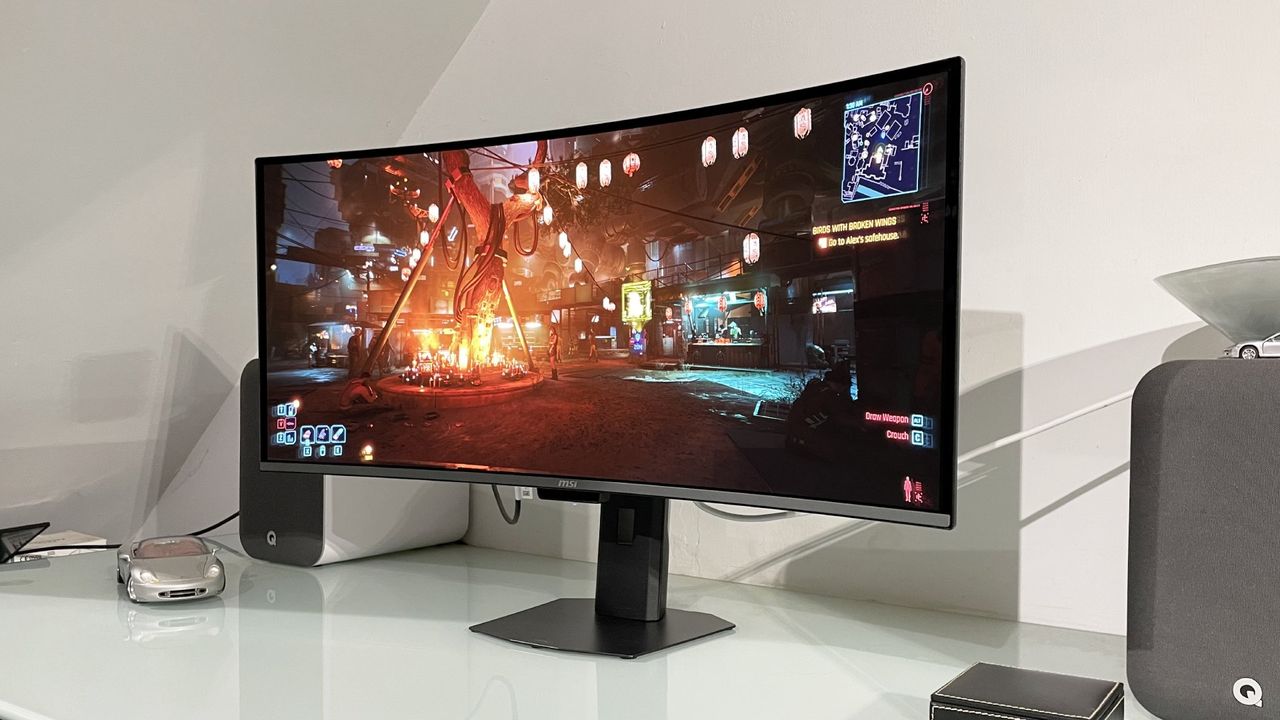
We have a lot to look forward to this year from pixel-packed panels.
Although CES 2026 wasn't the most exciting of the Vegas consumer electronics events of recent years—and heck, with all the big AI talk, there didn't seem to be much 'consumer' about it—there was at least one area of PC gaming hardware to get excited about: monitors. So rather than another day of doom and gloom talking about the rise of AI and the memorypocalypse, let's look at some positives.
Probably the most important area we saw really exciting developments in was OLED monitors. One of the biggest problems with these that has probably stopped a lot of people from taking the plunge and buying one—alongside high price tags and worries about burn-in—is text fringing. OLED panels look fantastic for gaming, but for other things, they haven't always been the best choice, because small, thin, and wriggly little shapes such as letters (the most common little digital wrigglers) have tended to look a little fuzzy when displayed on an OLED panel.
That's because of the way OLED displays its pixels. As a refresher, there are two main types of OLED panels: QD-OLED, from Samsung, and WOLED, from LG. These do things slightly differently at the sub-pixel level—QD-OLEDs have square red, green, and blue OLEDs organised in an RGB triangle, while WOLEDs have rectangular red, green, blue, and white OLEDs lined up in a row—but they're all less than perfect at displaying text.
Neither QD-OLED nor WOLED subpixel layouts have been able to give the clarity of a traditional LCD monitor's subpixel layout. Both of them have tended to make text either slightly fuzzy or shadowy around the edges. Things have improved with newer generations, but the problem hasn't been eliminated.
Catch up with CES 2026: We're on the ground in sunny Las Vegas covering all the latest announcements from some of the biggest names in tech, including Nvidia, AMD, Intel, Asus, Razer, MSI and more.
Now, though, new OLED panels from both LG and Samsung are coming out with a different subpixel layout. Samsung's taken a leaf from LG's book of OLED and arranged its sub-pixels into rows. LG, on the other hand, has decided to drop the white sub-pixel altogether.
Samsung is still using quantum dots with a blue backlight, so such monitors are QD-OLED, while LG is sticking to WOLED branding as it will still be using a white backlight that passes through colour filters. Despite these differences, though, the fundamental layout is the same: verti
Source: PC Gamer