Clarity Act Headed For Markup Next Week: Senator Tim Scott 2026
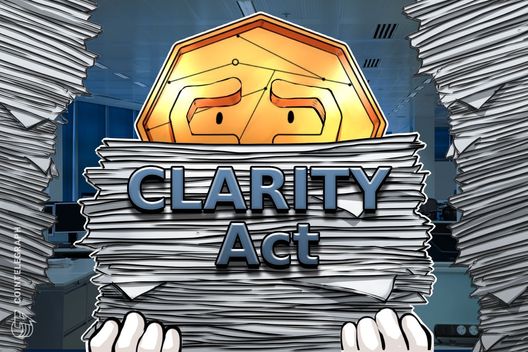
The Digital Asset Market Clarity Act aims to establish a comprehensive framework for crypto market structure in the United States.
The Digital Asset Market Clarity Act, which is set to provide the US crypto industry with more regulatory clarity, will head to the Senate for deliberation next week, according to US Senator Tim Scott.
“Next Thursday, we’ll have a vote on market structure,” Scott told Breitbart News on Tuesday. “It’s important for us to get on the record and vote.”
“We have worked tirelessly for the last six plus months making sure that we had multiple drafts available to every member of the committee,” Scott said.
His remarks confirm recent comments in December from White House AI and crypto czar David Sacks that the landmark crypto regulatory bill, which aims to establish a comprehensive framework for crypto market structure in the US, was set for a Senate markup in January.
The House of Representatives approved the legislation in July 2025. If the Senate passes it without changes, it won’t need to return to the House and would proceed to US President Donald Trump for final approval.
Crypto executives have debated the potential impact of this legislation since it was first introduced in the House of Representatives in May 2025, and as the bill is potentially coming to a head next week, the industry is still divided.
MetaLeX founder and crypto lawyer, Gabriel Shapiro, said the US is “probably going to get a crypto market structure bill.” He added that there are still concerns around illicit finance, but there could be “some deal” worked out.
Others are less optimistic about the bill passing so quickly. Galaxy Digital head of research Alex Thorn said in an X post on Tuesday that after reviewing a document from a bipartisan Senate meeting on Tuesday, it is “unclear if the two sides can come together and make that bipartisan as plenty of issues are still outstanding.”
Thorn said Democrats are still pushing for several changes to the legislation, including requiring DeFi front-ends to comply with sanctions so interfaces can block illegal transactions, and giving the US Treasury’s Office of Foreign Assets Control “special measures” to act against entities involved in illicit activity.
Source: CoinTelegraph