Crypto: A new narrative for bitcoin that will last

Those looking for fresh narratives around bitcoin are getting so desperate that they’re bordering on lunacy. One popular crypto account on X recently suggested that gold will be displaced by bitcoin because we are going to build data centers on the moon, which will then enable us to, I guess, mine gold on asteroids, or something like that. Sarcastic or not (and I’m not convinced the post was), if this is what market pundits are propagating, Jamie Dimon’s comparison of bitcoin to “pet rocks” might actually prove true. But perhaps ironically, Mr. Dimon is helping to create bitcoin’s new, lasting narrative by integrating it into the plumbing of traditional finance. Bitcoin is not digital gold. It is a digital collateral asset. The question is how much of the global financial system it will ultimately collateralize. We’re seeing new examples spring up every day: JPMorgan has begun allowing clients to use bitcoin-linked assets, and potentially bitcoin itself, as collateral for loans. Morgan Stanley, BlackRock and more are also incorporating bitcoin exposure into lending frameworks, structured products and portfolio margin systems. New, cheaper ETFs and retail accounts, like one just announced by Charles Schwab, are pushing bitcoin further into the mainstream. Other Wall Street firms are sure to follow. But bitcoin’s role in that system is changing. Over the past decade, bitcoin has been assigned a rotating cast of identities. It has been described as an inflation hedge, a proxy for global liquidity, a form of digital gold, a geopolitical safe haven, and, most recently, the centerpiece of institutional adoption. Each of these narratives has, at various points, appeared convincing. Yet in the current cycle, they have all broken down. In this cycle, rather than acting as a hedge during periods of market stress, bitcoin is increasingly behaving like a collateral asset under pressure, amplifying liquidity contractions through forced deleveraging. In this context, institut
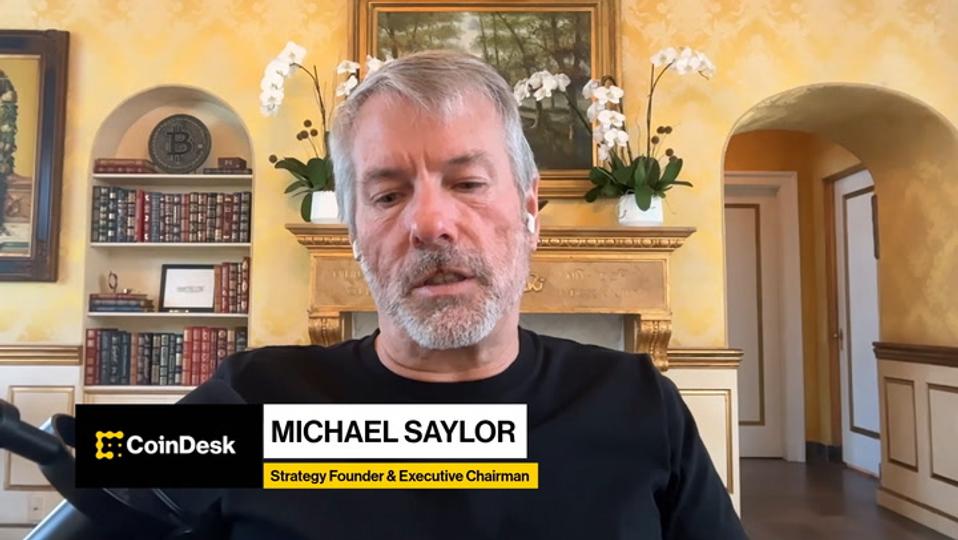
Source: CoinDesk