Crypto: The crypto industry’s massive political war chest is starting to lean Republican ahead of midterms (2026)
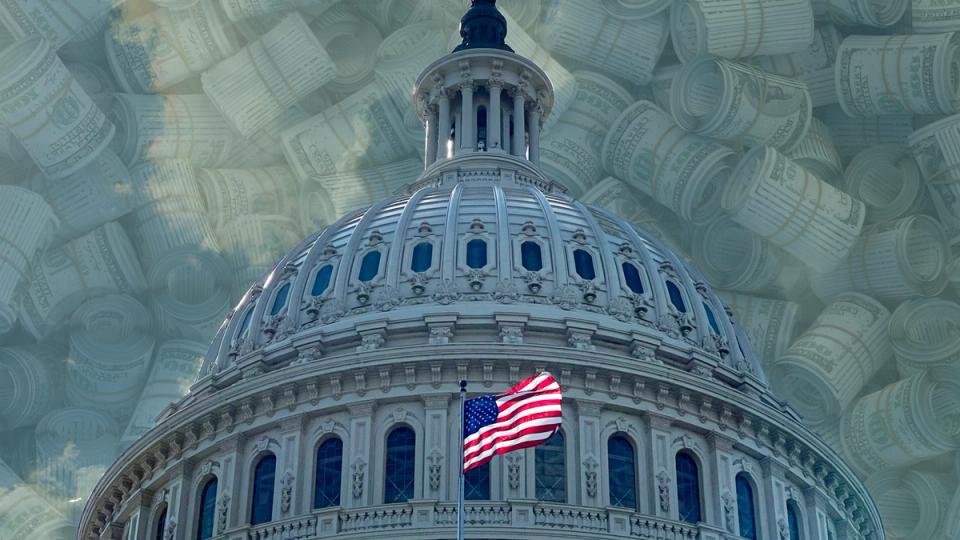
The U.S. cryptocurrency industry has flexed its campaign-finance might to help dethrone veteran incumbents and elevate new allies in Texas and other states as the congressional midterm season approaches full velocity, though the arrival of new political action committees may put the sector's meticulous bipartisanship in question. Fairshake is still an unrivaled channel for millions of old-fashioned U.S. dollars to steer primary elections, but other crypto super PAC names have crept into the conversation, getting louder in the wake of this week's Texas primaries. And the collective crypto spending is already contributing to real consequences for the next Congress. The most recent Texas runoff bouts illustrated the widening reach of the crypto industry in politics, with Fairshake targeting and helping oust a longtime Democrat member of the House of Representatives, crypto critic Al Green, and one of the new PACs throwing weight behind a Republican Senate candidate. The Fellowship super PAC, associated with Tether and Cantor Fitzgerald, backed Texas Attorney General Ken Paxton's trouncing of the incumbent Republican with $500,000. Though House races are often won or lost on funding in the hundreds of thousands of dollars, Fairshake spent $6.5 million to get U.S. Representative Christian Menefee advanced in place of Green. The Blockchain Leadership Fund (established recently with inaugural donations from Anchorage Digital and Chainlink) also endorsed and donated to Menefee, who won Tuesday's unusual runoff of two incumbents pitted against each other by redistricting and is expected to win November's general election in his Democratic-dominated district. Across the Texas primaries, Fairshake also backed a list of Republicans seeking House seats, including Alex Mealer ($453,000), Tom Sell ($426,000), Carlos De La Cruz ($607,000) and Jon Bonck ($348,000) — turning in dominant wins in districts generally considered likely to come out for Republicans later this year. Bu
Source: CoinDesk