Cyber: Report: Inside a Crypto Drainer: How to Spot it Before it Empties Your Wallet
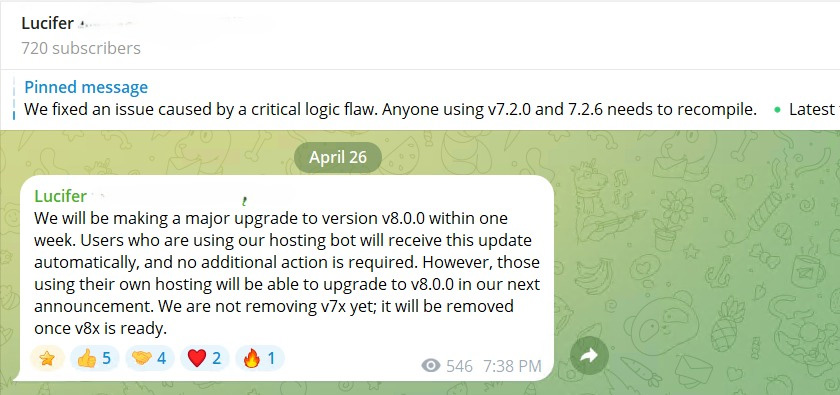
In recent years, cryptocurrency theft operations have evolved far beyond isolated phishing pages and fake NFT mint scams. What once consisted mainly of individual actors running malicious wallet-connection pages has increasingly developed into a structured underground service economy built around “Drainer-as-a-Service” (DaaS) platforms. Unlike traditional malware operations, crypto drainers typically rely on social engineering rather than device compromise. Victims are lured to fake crypto, NFT, airdrop, or DeFi websites and asked to connect their wallets. Once a malicious transaction or wallet signature is approved, the drainer can transfer cryptocurrency assets directly from the victim’s wallet, often within seconds. An analysis conducted by Flare researchers of approximately 700 posts collected from underground forums, chats, and channels related to the "Lucifer DaaS" between January 2025 and early 2026 provides a rare look into how modern drainer operations function internally. The findings reveal an increasingly professionalized ecosystem focused on affiliate growth, automation, phishing scalability, wallet-security bypasses, and operational resilience. The analyzed data suggests that modern drainer operations increasingly function similarly to legitimate SaaS businesses. Actors behind Lucifer discussed software releases, bug fixes, affiliate commissions, customer support, hosting recommendations, deployment automation, website cloning, and referral systems, offering a deep dive into how DaaS ecosystems are evolving inside underground communities. A crypto drainer is a tool designed to steal cryptocurrency assets directly from victims’ wallets by abusing wallet permissions and transaction approvals. Instead of hacking the wallet itself, attackers typically lure victims to fake crypto, NFT, airdrop, DeFi, or token-claim websites and trick them into connecting their wallets and approving malicious requests or signatures. Once permission is granted, the drai
Source: BleepingComputer