Days After Launching Their First Indie Game, Everyone Responsible...
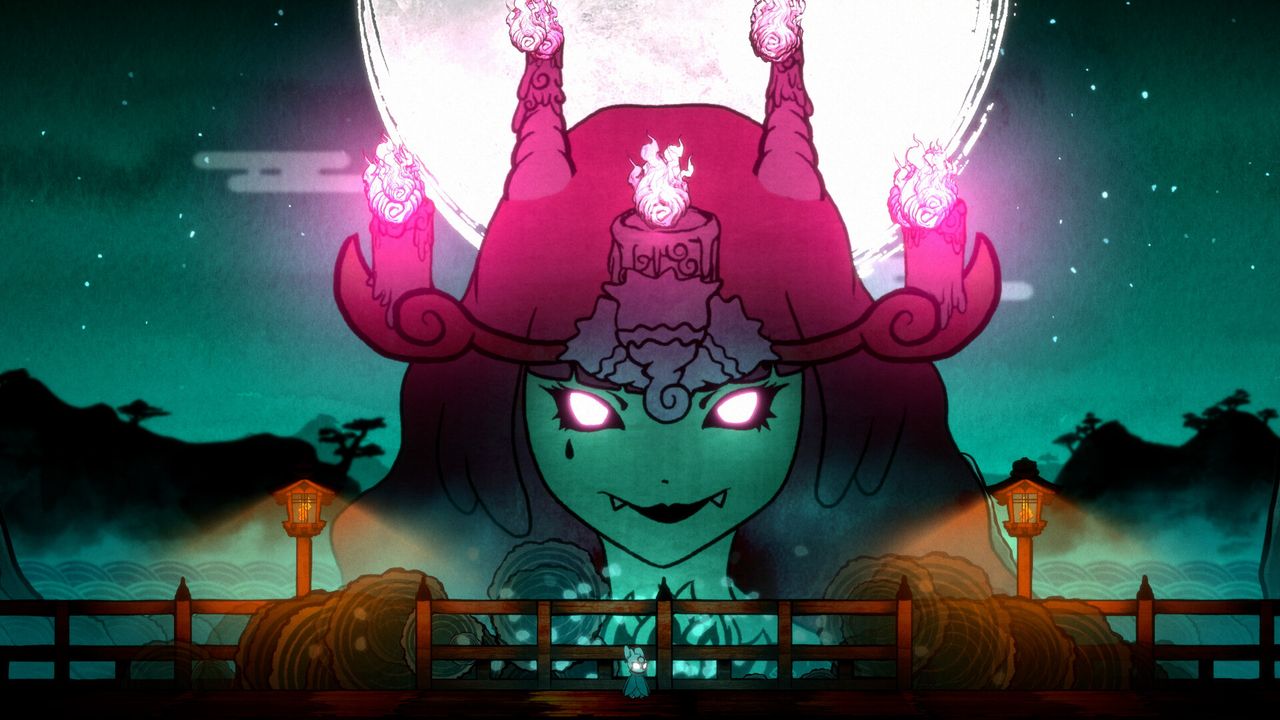
For the makers of Bō: Path of the Teal Lotus, launching a game in today's unstable industry was an ordeal.
Chris Stair, one of the creators of action platformer Bō: Path of the Teal Lotus, was in Kyoto celebrating the game's launch at indie festival BitSummit when he got the news: The publisher he'd trusted with all of the launch logistics was effectively gone. All 36 employees had been laid off.
"We had a Slack channel with everyone in it, and then you see them leaving one by one," said Stair, who recently spoke to PC Gamer about Bō's launch.
The publisher, Humble Games, still technically exists, but it's dormant, with a website that proudly announces the launch of Bō: Path of the Teal Lotus as if it happened yesterday, even though it released in July 2024. (The pay-what-you-want Humble Bundle store is still around; both it and the publisher are owned by media company Ziff Davis.)
Things turned out relatively well for Bō, which has a "Very Positive" rating on Steam with over 1,000 user reviews and just got a big free update. But when Stair opened that matter-of-fact email in a Kyoto hotel room and learned that everyone he'd been relying on to manage the launch was no longer employed, the stress was tremendous.
I think if you've never shipped a game, you would never really, truly understand how much the publisher does and how much of a load they take off of the developer.
Stair had been an English teacher before pursuing indie game development: This was all new to him, and after four years working daily to make Bō's launch a success, there were suddenly dozens of questions he couldn't answer. Humble had all the contacts at Microsoft, Sony, and Nintendo, relationships with press and creators, and the keys to almost everything else. Stair could still access the Steam backend, but that was it. If he'd needed to do something as simple as make a localization correction, he would've had to dig through old emails and hope to find a lead.
"Are we gonna get paid?" Stair remembers thinking. "Like, what's happening to our game? Who owns our game?" He still has questions about the record-keeping that took place in the days after Humble's staff was let go, and can't help but wonder if Bō would've been a bigger success had the people he'd worked with for so long been allowed to see the job through.
"There's always this thing in the back of my mind: If everything had gone, not 'right,' but just gone normally, how would it have been different? And that's always so
Source: PC Gamer