Gaming: Deus Ex: Invisible War Wasn't What It Should Have Been Because The...
"I wish we could redo that project and just stitch the maps together."
Keep up to date with the most important stories and the best deals, as picked by the PC Gamer team.
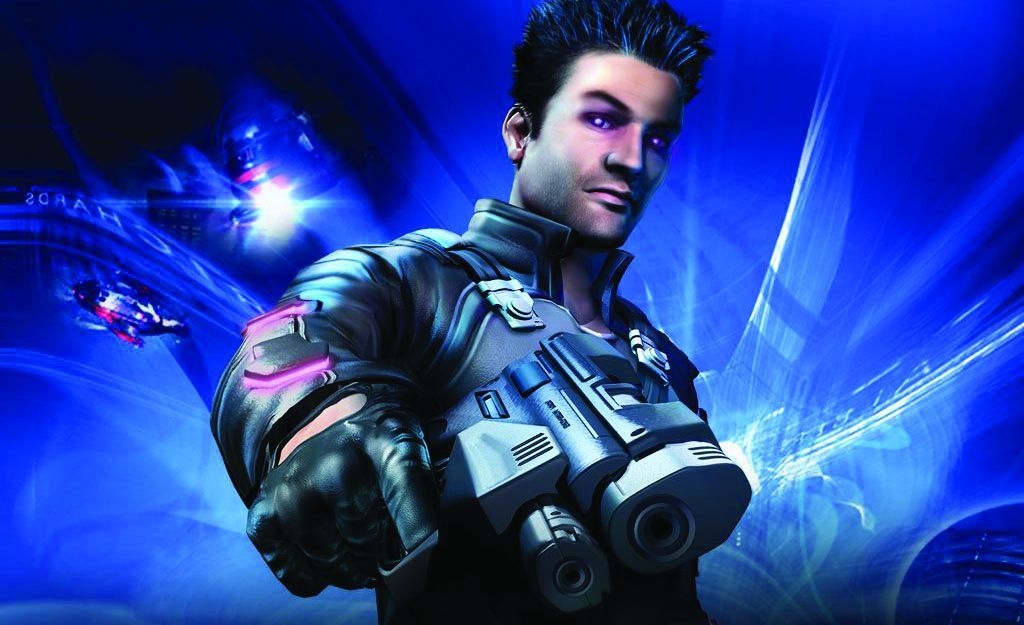
Deus Ex: Invisible War has its defenders, including PC Gamer's own Joshua Wolens, but even the most stout-hearted of them would never go as far as saying it was a worthy sequel to the original. Where Deus Ex ripped up the rulebook and set an example that the immsim genre has struggled to replicate ever since, Invisible War was a much more trammelled game that, for all the good ideas, felt less expansive and ambitious.
Is it a decent game? I'd say yes. Is it the Deus Ex 2 we should've had? Not in a million years. Sorry Josh.
In a new retrospective in Edge magazine, the game's developers discuss the various issues Invisible War faced. Fear was not one of them: the Ion Storm Austin devs were itching to get to work on it. The original game's designer Harvey Smith is asked if he ever felt intimidated about following up such a well-loved title:
"The truth is, no," says Smith. "We finished Deus Ex and everyone loved it, and we just thought, 'Well, the games we want to make are the right kinds of games'. And then you go and do something else, and you fall flat on your face.”
The issues began in 2001 when there was a top-down decision that Ion Storm Austin’s two in-development games should use the same engine. The games were Invisible War and Thief: Deadly Shadows, and the idea was that team members could more easily transition between projects that were built on the same tech. Only problem was, they didn't have the actual tech.
The plan was to modify Unreal Engine 2 with an improved shadow and lighting system. But this was a tonne of work that needed to be handled in-house, and the focus of these modifications was Thief rather than Deus Ex. "I was a leader at the studio and I should have pushed back on that more," says Smith.
Invisible War's lead designer Ricardo Bare expresses his feelings rather more bluntly: "It was a super-boneheaded call. A very bad decision. It really tanked development."
Keep up to date with the most important stories and the best deals, as picked by the PC Gamer team.
Source: PC Gamer