El Salvador’s Bitcoin Aspirations Were Brought Closer To Earth In 2025
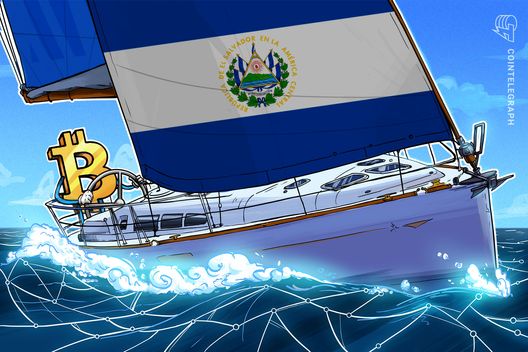
Four years ago, El Salvador started its ambitious Bitcoin adoption strategy. But in 2025, that plan came to a head with the International Monetary Fund.
El Salvador, the first country in the world to recognize Bitcoin as legal tender, was seen by many in the industry as a pioneer. In 2025, the small country’s Bitcoin ambitions met reality.
The Central American country made waves in 2021 when the Legislative Assembly approved a bill that required all merchants, stores and places of business to accept Bitcoin (BTC) as a form of payment. Proponents believed it would set off a chain of Bitcoin adoption and be a boon for the country’s economy.
Ambitious adoption plans, including the issuance of bonds to fund a “Bitcoin City,” met lukewarm adoption from Salvadorans. Adoption was further muddied by concerns from the International Monetary Fund (IMF).
These worries came to a head in 2025, when El Salvador had to take a second look at its Bitcoin policy.
The passage of El Salvador’s Bitcoin Law was quickly followed by the rollout of the Chivo Wallet, the official Bitcoin wallet of El Salvador. Citizens were even incentivized to sign up with addresses pre-loaded with $30 of Bitcoin. But for many, they just took the free money and ran, never using the app again.
By law, Bitcoin should be accepted everywhere, but attempts to use Bitcoin in El Salvador were met with limited success by those who tried.
On-the-ground adoption concerns aside, there was one other looming issue, and that was El Salvador’s debt and the IMF’s position on Bitcoin and cryptocurrencies.
El Salvador was seeking a $1.4-billion loan from the IMF, as its public finances and debt needed reinforcement to be sustainable. Its external reserves and economic buffers were also wearing thin and needed strengthening against potential shocks.
The IMF didn’t want El Salvador to recognize Bitcoin as legal tender amid concerns about its risks to financial stability. It stated that widespread government use of Bitcoin, like El Salvador’s Bitcoin buying plan, can expose the state budget to contingent liabilities that depend on BTC price movements.
Source: CoinTelegraph