Elder Scrolls Online's Director Says Doing The Same-old Yearly
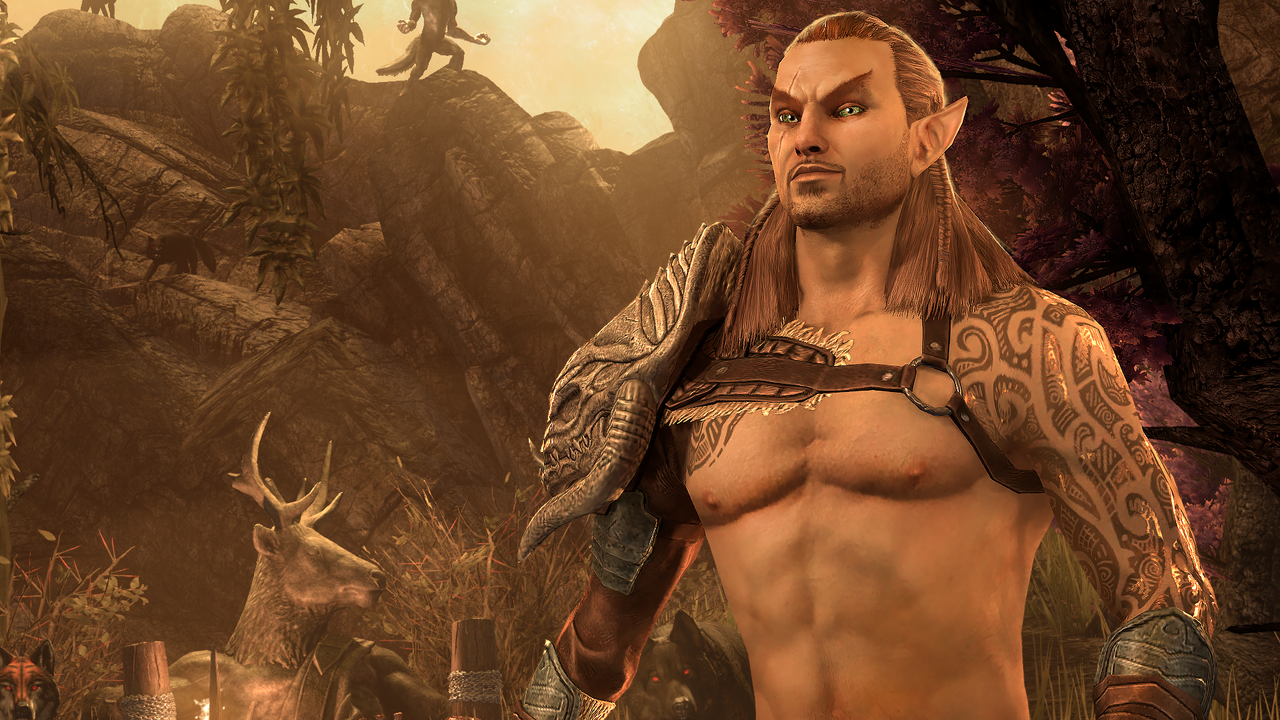
The Elder Scrolls Online's going through a big shift—with subclassing falling somewhat short and a difficult year for Zenimax in the rearview, its developers have decided to shake things up. Going from a yearly "chapter" formula to a seasonal structure where, in a recent conversation I had with executive producer Susan Kath and game director Nick Giacomini, "nothing is off the table."
A huge part of this shift has been in addressing long-standing quality-of-life complaints: Update 49 will begin to tackle a ton of long-standing bugbears, such as the time it takes to train mounts, after Zenimax put together a dedicated team whose job is to listen to community complaints and nip them in the bud. Or, as Kath puts it, a team with a "mandate of: Let's find out what everybody wants to do, and let's do that."
Some of these planned changes have been a long time coming, and while it can be easy to wonder why a team might drag their feet on such tweaks, Giacomini explains that a lot of these fixes have been a thorn in the developer's paw for a while, as well.
"We communicate with our players, we read, we listen, we play the game—it wasn't like we were blind to the things that players were talking about," he says. However, Giacomini lays the blame at the feet of the long-form chapter model: "We had this commitment to the chapter model, it was 18 months [long], and it left little time to focus on these other things that we knew were important."
When trying to figure out where to take ESO next, Giacomini describes a realisation the team had: that this rigid structure wouldn't work anymore. "It left too little time to address more foundational [things]," he says. "When we're talking about Elder Scrolls Online, being a 30 year MMO: It sounds nice, sure, but it's what we want, right? This is a home for us in so many ways, just 'adding the next thing', we didn't think that was the right path, that it was going to cut it, in order to get there.
"There were foundational issues and changes that needed to be made … If we wanted to have a shot at reaching that 30-year mark, we thought that we needed to address more foundational core experiences in the game."
Kath agrees, pointing out that from an organisational point of view, trying to plan a year ahead meant a lot of important fixes went on the backburner. "One of the things with the chapter model was that after so many years of doing the chapter model, everyone had a job: We had very specific things that we were doing ev
Source: PC Gamer