Gaming: 'everybody Who Worked At Nvidia In The Early Days Really Wanted To...
‘Let’s go after people who really want a premium experience.’
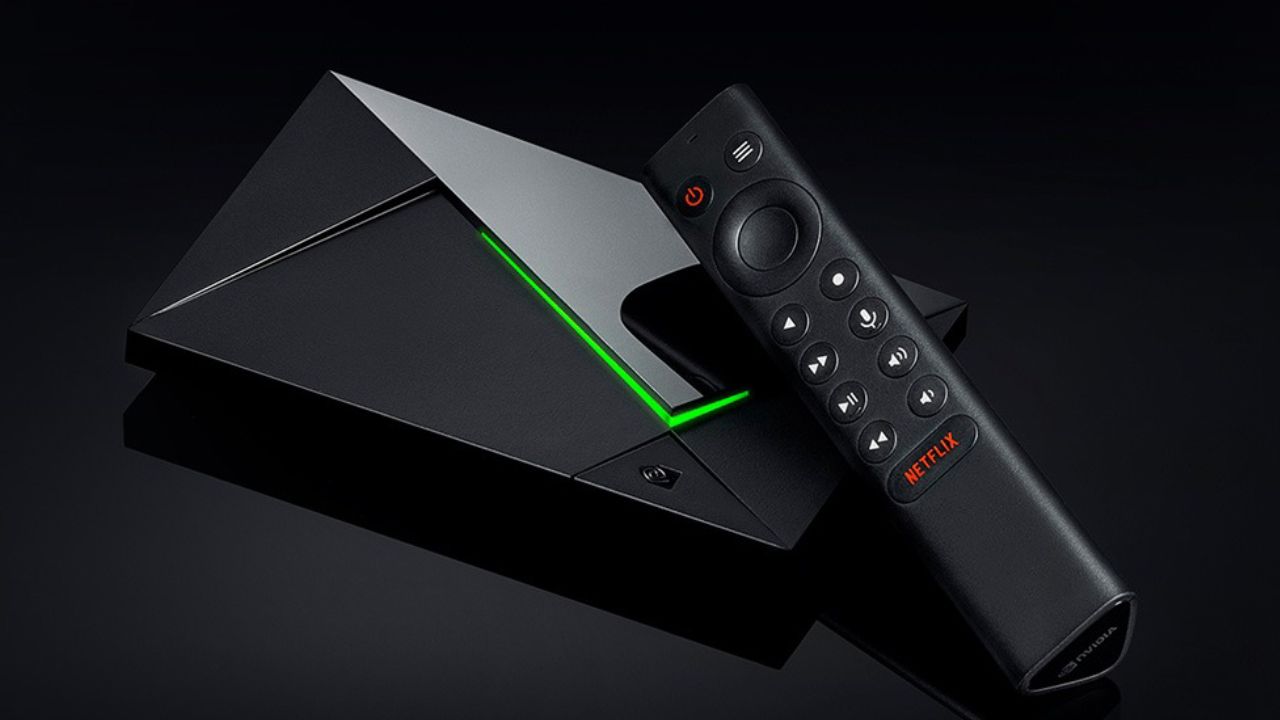
I sometimes forget about the existence of Nvidia's Shield devices, in all their various iterations. Shield TV, however, has been with us now for over a decade in some form or another—and according to Nvidia, the Android-powered set-top box is far from done yet.
In an interview with Ars Technica, Nvidia's senior VP of hardware engineering, Andrew Bell, talks in reverence about the Shield devices and what they mean to the company. Like all good ideas, it seems, Bell says the Shield project came from an enthusiastic group of engineers:
"Pretty much everybody who worked at Nvidia in the early days really wanted to make a game console," Bell opines.
"To build a game console was pretty complicated because, of course, you have to have a GPU, which we know how to make... but in addition to that, you need a CPU, an OS, games, and you need a UI."
Through a series of acquisitions and partnerships, (including the purchase of PortalPlayer in 2007, which led to the Tegra Arm chips at their hearts), Nvidia gradually gathered the elements that would make up its early Shield iterations.
However, while the early Shield devices were focussed around gaming on the move, the project eventually morphed into a streaming-first experience for home TV usage. The key switch came from Google's development of Android TV, which brought a clean, efficient UI and software platform into the equation.
"Selfishly, a little bit, we built Shield for ourselves," says Bell. "We actually wanted a really good TV streamer that was high-quality and high-performance, and not necessarily in the Apple ecosystem. We built some prototypes, and we got so excited. [CEO Jensen Huang] was like, 'Why don't we bring it out and sell it to people?'"
Keep up to date with the most important stories and the best deals, as picked by the PC Gamer team.
To this day, the Shield TV is often mentioned as one of the most high-quality, reliable methods of streaming media to a home theatre setup, and that seems to be a key crux of its current design:
Source: PC Gamer