Fallout Designer Tim Cain Reckons His Subsequent 3 Projects Were... (2026)
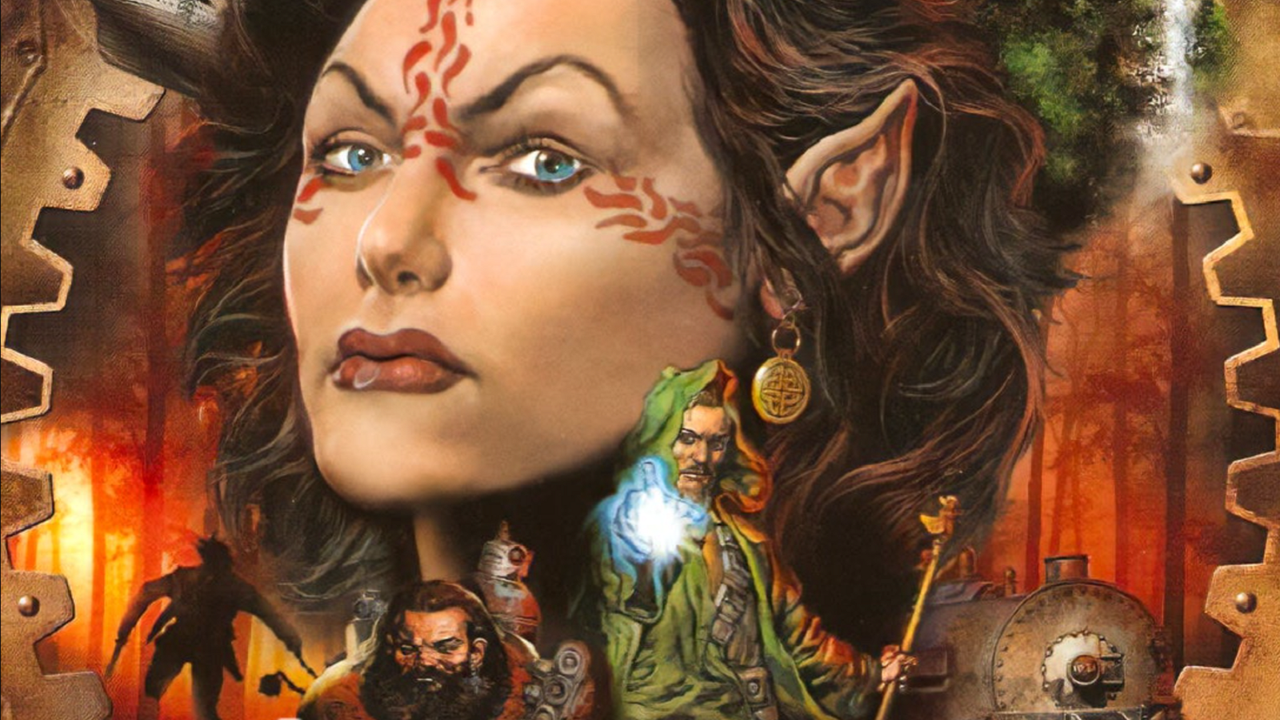
After heading up development on Fallout 1, project lead Tim Cain split from Interplay to found a new studio, Troika, alongside fellow Fallout devs Jason Anderson and Leonard Boyarsky. In a recent vlog on his YouTube channel, Cain dug into why Troika's output lacked a certain spit shine polish compared to their previous games and later careers.
For the unfamiliar, Troika is a very 'realheads know' sort of studio: Its games presaged the similarly buggy (and occasionally unfinished) early work by Obsidian, which was also founded by ex-Interplay devs. But, also like Obsidian, Troika's games were ambitious, imaginative, and unforgettable. They had strong word-of-mouth reputations on RPG forums, and all three of its games have received essential fan patches and laudatory reappraisals, with the Big Kahuna arguably being the original Vampire: The Masquerade - Bloodlines.
"We had a lot of feature ideas, we did not edit ourselves at all, and we were a small team," Cain summarized at the beginning of the video. "Every time Troika went to make a game, whether it was Arcanum, or Temple of Elemental Evil, or Bloodlines, there were just so many things we wanted to do. We had so many ideas.
"We tended to make those features quickly. Even worse, we made the tools to put in the content for those features quickly. So not only the end result, but the tools to make the end result were buggy and flawed. Having so many possible options for gameplay meant unintended interactions."
Troika's first game, Arcanum, has a lot of great examples of the eccentric and ambitious mechanics Troika worked into its games, ripe for those "unintended interactions":
It mostly worked, and gels even better with Drog Blacktooth's unofficial patch. Despite Troika's small size and limited budget, Cain credited a certain youthful exuberance and naivete for driving its teams to make such complex, challenging games anyway. "We make this content as quickly as possible to try and fit it into the schedule we made," said Cain. "And the schedule was what it was because I wasn't a very good businessman and the budgets weren't very big."
Cain also alluded to a lack of systemization and consistency with how Troika's developers wound up using its already-flawed proprietary tools. He recalled scripters coming up with ad hoc solutions to problems when there were ready-made functions they could have used instead, comparing the situation to someone using a screwdriver to cut lumber into a 2x4 when there's a saw
Source: PC Gamer