Fish-inspired Filter That Removes Over 99% Of Microplastics 2025
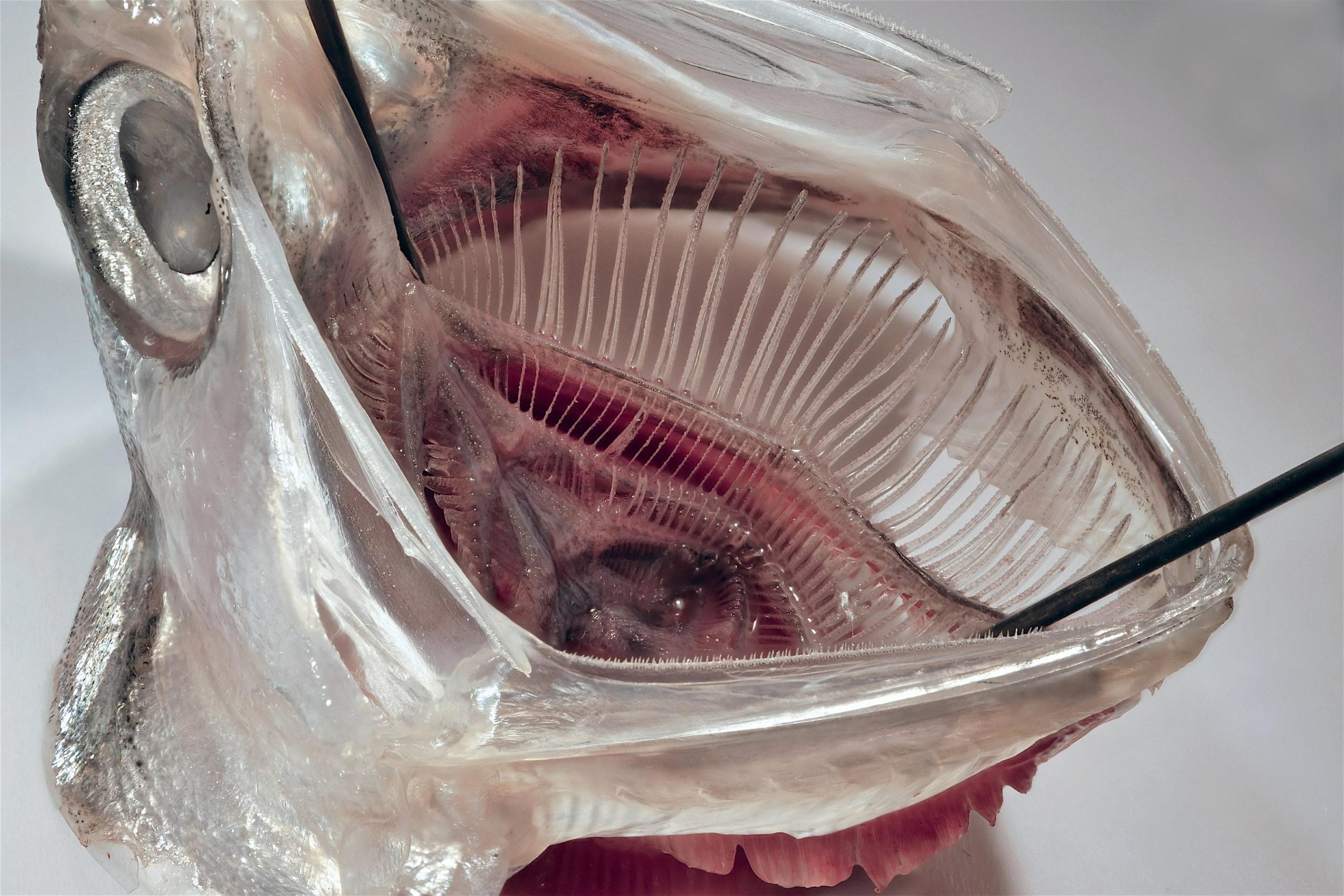
Researchers at the University of Bonn aim to improve the cleanliness of wastewater.
Water released from washing machines is widely recognized as a major source of microplastics, which are tiny plastic particles suspected of posing risks to both human and animal health. Scientists at the University of Bonn have developed a new filter designed to reduce this pollution.
The design takes inspiration from the gill arch system found in fish. Early tests show that the patent-pending filter can remove more than 99 percent of plastic fibers from washing machine wastewater. The research findings have been published in the journal npj Emerging Contaminants.
A single washing machine in a household of four can release as much as 500 grams of microplastics each year, most of it generated as fabrics wear down during washing. As a result, washing machines rank among the most significant contributors of these particles. Once released, microplastics pass into the sewage sludge produced at wastewater treatment plants. Because this sludge is often applied as fertilizer, the plastic fibers can eventually spread onto agricultural land.
This growing problem has prompted manufacturers to search for effective ways to capture microplastics before they reach the environment. “The filter systems available so far, however, have various disadvantages,” explains Dr. Leandra Hamann from the Institute for Organismic Biology at the University of Bonn. “Some of them quickly become clogged, others do not offer adequate filtration.”
To find a better solution, Hamann worked with her doctoral supervisor Dr. Alexander Blanke and other colleagues to study biological filtration systems. The researchers turned their attention to fish, which have refined filtering techniques through hundreds of millions of years of evolution.
Certain species, such as mackerel, sardines, and anchovies, feed by filtering water. They swim with their mouths open and trap plankton using their gill arch system. “We took a closer look at the construction of this system and used it as the model for developing a filter that can be used in washing machines,” says Blanke, who is part of the transdisciplinary research areas “Life & Health” and “Sustainable Futures” at the University of Bonn.
During their evolution, these fish have developed a technique similar to cross-flow filtration. Their gill arch system is shaped like a funnel that is widest at the fish’s mouth and tapers towards their gullet. The walls of the funne
Source: HackerNews
