Former Id Software Artist Argues Performance And Optimization Is...
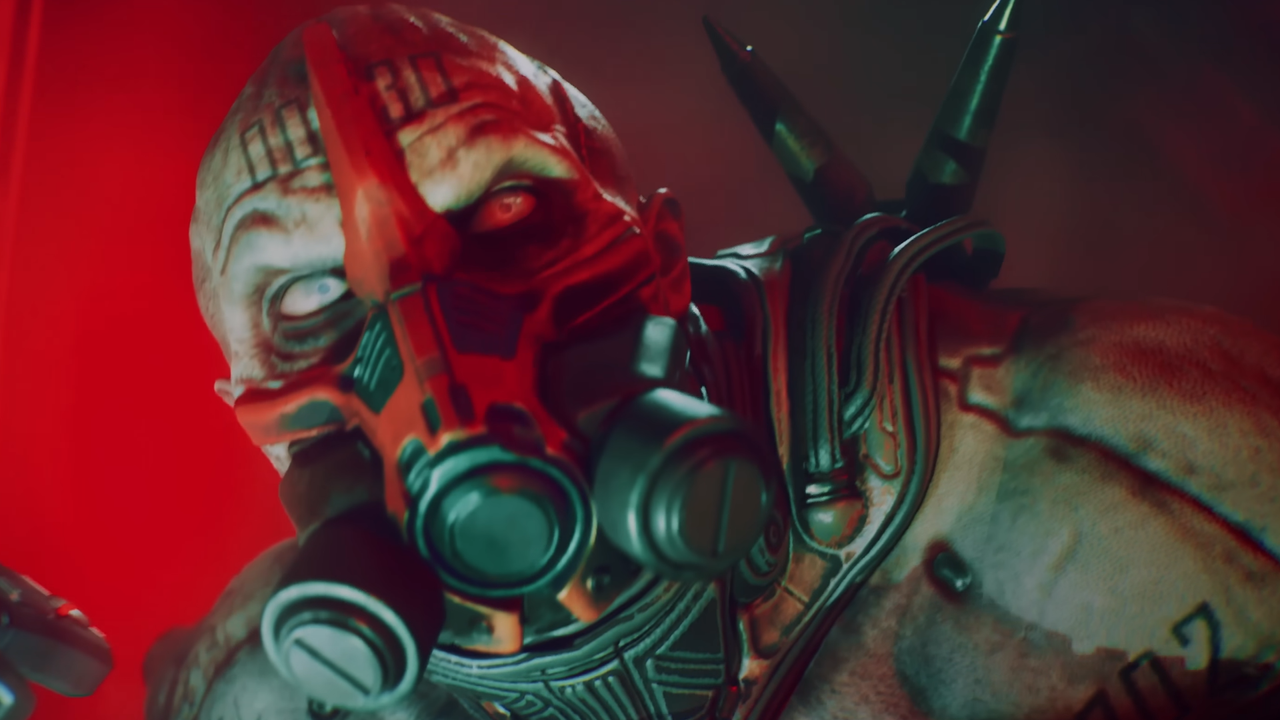
Defect lead Emanuel Palalic thinks leaning into this mindset from early development will leave the game optimized as well as pretty.
I recently sat down with Defect game director and former id Software artist, Emanuel Palalic, as well as composer Mick Gordon to discuss the upcoming cyberpunk FPS. One topic I wanted to get their thoughts on was optimization: Defect looks like a heavy game, but has surprisingly lenient specs—RTX 2060 minimum—and no mandatory ray tracing like we're starting to see in some games.
The graphics arms race is proving ever more costly for devs and players, with diminishing returns: The cutting edge Metal Gear Solid Delta left me feeling cold, especially compared to the similarly photorealistic, yet more vibrant, striking, and ten years older Phantom Pain. Meanwhile, people's champions like Arc Raiders and Battlefield 6 are scoring points with players by not just running on lower-end hardware, but looking and performing well.
This isn't just a question of tech and optimization, according to Palalic."Good performance in a game isn't always a technical problem, it's as much of an art problem as well," he told me. "A really strong art team can work within any shading and rendering limitations that are presented and lean into those. When you look at older games, Killzone 2 looks incredible today. FEAR looks incredible today.
"A lot of that's because, as an artist, you're working within whatever limitations are presented in front of you, and being able to lean into those strengths. That's how we're looking at optimizing for Defect. While it looks fancy, there's definitely a lot of stuff that we're doing, there's some old school techniques mixed in there."
That really struck me, not just as a fan of throwback indie graphics, but also as someone who suffered through a lot of bad Nintendo Switch ports. It wasn't just the bad frame rate and low resolution (they certainly didn't help), but games like The Outer Worlds had to strip away so much detail that the developers simply assumed players would see.
In my experience, condensing and warping high fidelity art in this way always results in a worse-looking game than something retro, but intentional, while ludicrous GPU prices and longer lifespans for core components seem to be heightening the issue.
Palalic says the team at emptyvessel is "making an active effort" to ensure its art assets still look good and perform well at lower settings. One example he gave was how Defect will scale
Source: PC Gamer