France is reportedly in talks to buy 420,000 BTC
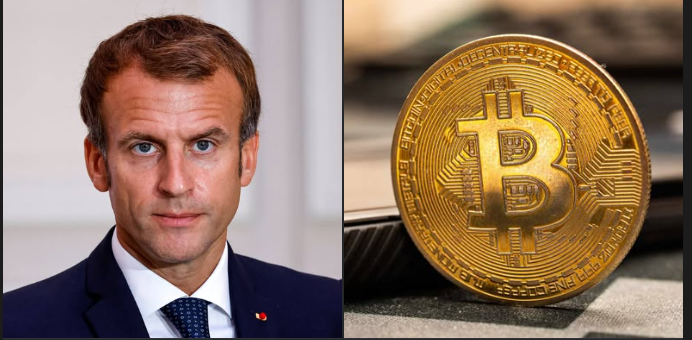
France is reportedly in advanced discussions to establish a national strategic reserve of Bitcoin, aiming to acquire up to 420,000 BTC—roughly 2 % of Bitcoin’s total supply—over the next 7 to 8 years. bitcoinmagazine.com+2Cointribune+2
What the Proposal Entails
The bill, introduced by Éric Ciotti of the centre-right party Union of the Right and Centre (UDR), proposes a multi-pronged strategy to build the reserve:
- Daily purchases of Bitcoin through public savings schemes, at roughly €15 million per day. Cointribune+1
- Mining operations using France’s surplus nuclear and hydroelectric energy to generate newly-minted coins directly into the reserve. Coinpaper+1
- Incorporating seized cryptocurrencies (from judicial actions) into the national reserve. panewslab.com+1
- Structuring purchase and holding operations under a dedicated public administrative body—analogous to a strategic reserve authority. Cointribune+1
Strategic Motives and Wider Implications
By accumulating Bitcoin, France appears to be signalling a pivot in how sovereign states view digital assets—not merely as speculative investments, but as strategic reserves, potentially akin to “digital gold”. The plan also aims to reduce dependency on traditional monetary reserves (euros, dollars) and enhance financial sovereignty in an era of escalating geopolitical and monetary regime risk. Cointribune+1
Simultaneously, the bill positions itself in opposition to the European Central Bank’s planned digital euro, arguing that a centralised digital currency could threaten individual privacy and financial autonomy. The proposal instead promotes euro-denominated stablecoins as an alternative for day-to-day payments. Coinpaper+1
Challenges and Skepticism
While the ambition is significant, the proposal faces several hurdles:
- The UDR party holds a relatively small number of seats in France’s National Assembly (16 out of 577), which raises questions about near-term legislative viability. TradingView+1
- The logistics of acquiring 420,000 BTC without distorting the market nor accruing massive costs remain unclear—especially given Bitcoin’s liquidity constraints and volatility.
- The funding mechanism—leveraging public savings products, mining operations, and seized assets—raises questions around transparency, risk management and regulatory oversight.
- As a public reserve asset, Bitcoin introduces unique risks (cybersecurity, custody, regulatory flux) that are less familiar to sovereign institutions compared to gold or foreign-exchange holdings.
Market Reaction & Broader Crypto Impact
News of the proposal triggered immediate attention in crypto-markets. Some analysts observe that if a large sovereign entity enters accumulation mode, it could tighten available supply and influence price dynamics of Bitcoin. At the same time, the move would mark a major milestone in institutional adoption of digital assets — shifting the narrative from speculative retail to strategic sovereign holdings.
What This Means for France and Europe
If enacted, the bill would position France as the first European nation formally embracing cryptocurrency on a strategic sovereign-reserve level. It could also accelerate the race among governments to define regulatory, fiscal and energy frameworks around crypto-assets. Moreover, the mining angle leverages France’s power-generation profile, linking energy policy with digital-asset strategy.
Outlook
The proposal remains at the draft stage and must navigate parliamentary debate, stakeholder consultation and regulatory alignment (both domestic and European). Key upcoming questions include:
- Will the bill gain sufficient political support to pass?
- How will France manage custody, security and liquidity risk of a large Bitcoin holding?
- How might market participants react if a sovereign begins steady accumulation of Bitcoin?
- What precedent might this set for other nations debating similar moves?
In sum, the initiative marks a bold attempt to recast Bitcoin not just as a tradeable asset—but as part of national financial infrastructure. Whether France moves from proposal to implementation remains to be seen, but the emerging narrative is clear: digital assets are increasingly entering the domain of sovereign strategy.