Update: Free Adding Insular Script Like It's 1626 2026
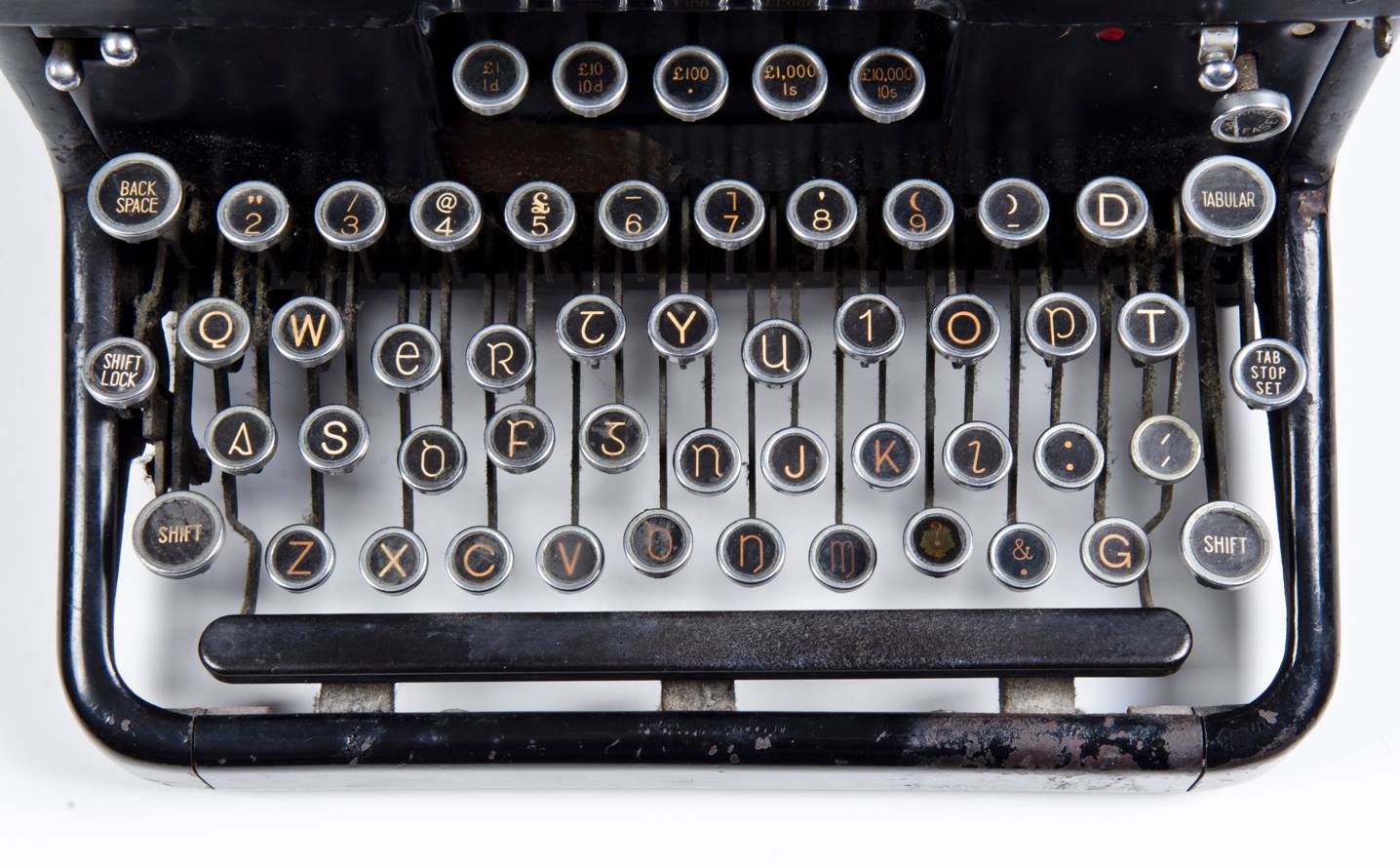
I’m a generation removed from when Irish children were taught to read and write in insular Irish script the Cló Gaelach.
Here’s a beautiful print of the full alphabet in old script, with a couple of extra symbols used for etcetera, from Nine Arrow, who has also fallen down this rabbit hole.
While my parents’ primary association with it are literally being rapped on the knuckles for getting it wrong, for me it’s the type of official signage on old buildings and at historical sites - it’s antiquity and heritage. (For more examples, check out the CLÓSCAPE Project, dedicated to cataloging use around Dublin.)
The “old script” was created when medieval monks evolved the latin script to encode the sound of Irish. It uses a dot over a consonant to indicate it should soften according to grammatical rules.
Few printers had insular typesets and typewriters were rare and difficult to use, with modifier dots rather than distinct characters. Applying them required typing the letter, then backspace, then typing the dot - not very ergonomic. This made producing print slow and expensive.
The solution was to switch to using a pure latin character set, with the dot being replaced with a “h” after the letter. This is why you get Irish names like “Sadhbh” that improbably rhyme with “five”. It’s much less phonetic because you have to look at the preceeding letter to understand what the “h” modifier is going to do, and you have to process letters in groups to understand what sound they make.
I’m a bit wistful that something so distinctive and beautiful and endemic has been lost, and (not having to learn to write another character set) to my mind the old script’s approach of preserving the majority word shape while still capturing the phonetic content is a better writing system. I have been thinking about how use modern tools to add the old back into modern media gracefully. There have been typographers making Gaelic fonts for a long time - gaelchlo.com is the central repository of these, but we also need to perform some letter substitutions to really achieve the old script.
From an accessibility and data portability perspective the ship has sailed. While Google Translate can (impressively and improbably) handle Cló Gaelach, other Irish language reference sites of record like teanglann.ie or abair.ie cannot. There is a “ga” language tag you can use to indicate to screen readers that text is in Irish, but I wouldn’t expect Irish text in Cló Gaelach to work with the Irish la
Source: HackerNews
