'gamers Deserve Clarity': Uk Parliament Debates Videogame Ownership...
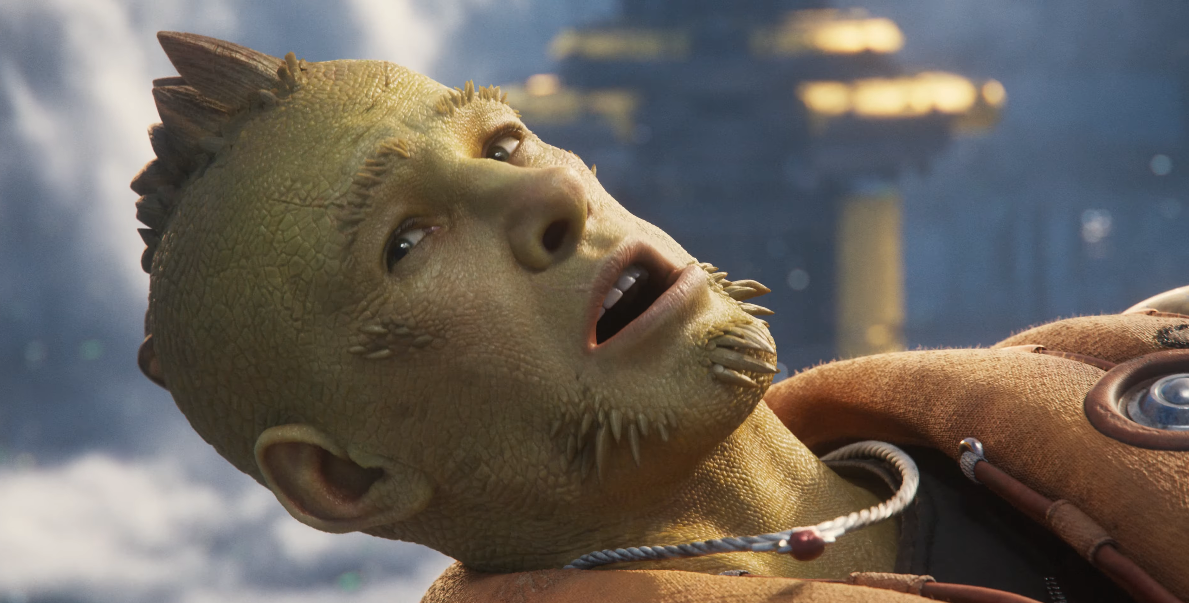
Concord is quickly becoming shorthand for 'messed-up videogame launch'.
Yesterday, the UK Parliament conducted a small debate on an e-petition that had been raised by concerned constituents about consumer law and videogames. In layman's terms, it was all about how frustrating it is when players don't have ownership over their games and get left hung out to dry by big studios, unceremoniously ending support for live service games.
"I come to the debate not only as a member of Parliament, but also as a lifelong gamer," Ben Goldsborough MP says during the e-petition debate. "The videogame industry itself contributes £7.6 billion to the UK economy and supports over 75,000 jobs. We are home to world-leading studios, cutting-edge research, and some of the most talented and creative minds anywhere on earth. We should value this industry not only for its economic output but as a cultural powerhouse that shapes stories, art, music, and technology."
The petition in question that started it all is now closed, but not before gathering 189,887 signatures. It had the goal of getting the UK government to update consumer law to prohibit publishers from disabling videogames that have already been sold without any refunds for players.
I wouldn't want to call this a pipe dream, especially as we've seen some headway made in strengthening consumer protections via the Digital Markets, Competition and Consumers Act 2024. But a debate in the Commons doesn't necessarily mean any worthwhile change will happen. Although it has to be said that it was nice to see representatives take this issue seriously.
"The nature of games has changed," Goldsborough continues. "Many modern titles are live services, constantly updated, server-dependent, and reliant on ongoing operational costs. It's not inherently a bad thing, live services have created vibrant global communities, but it has also changed what it means to 'own' a game.
"When a game shuts down without clear notice, the investment is lost. The shared world disappears. The Videogame History Foundation estimates that 87% of games released before 2010 are now critically endangered. This is not just a consumer issue; it is a cultural one. This debate is not just about keeping games playable; it's about preserving our cultural heritage.
"We do not accept our mobile phones being switched off whenever a company produces a new model and wants us to buy the new model," MP Warinder Juss adds. "So why should we allow thousands of pounds wo
Source: PC Gamer