Gaming: Ultimate Guide: Destiny 2 hasn't been the game I'd loved in years, but it still sucks to know it's ending
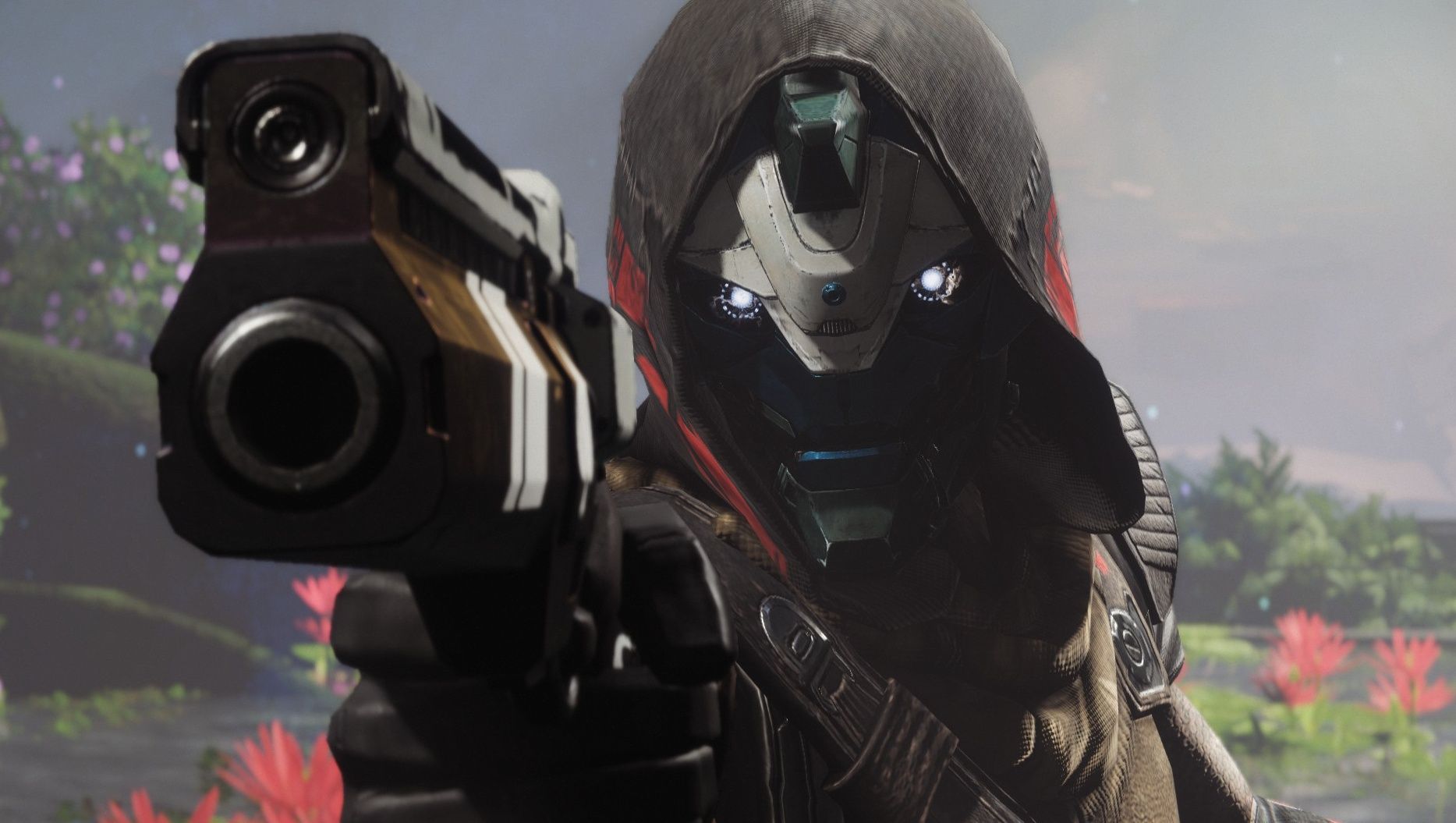
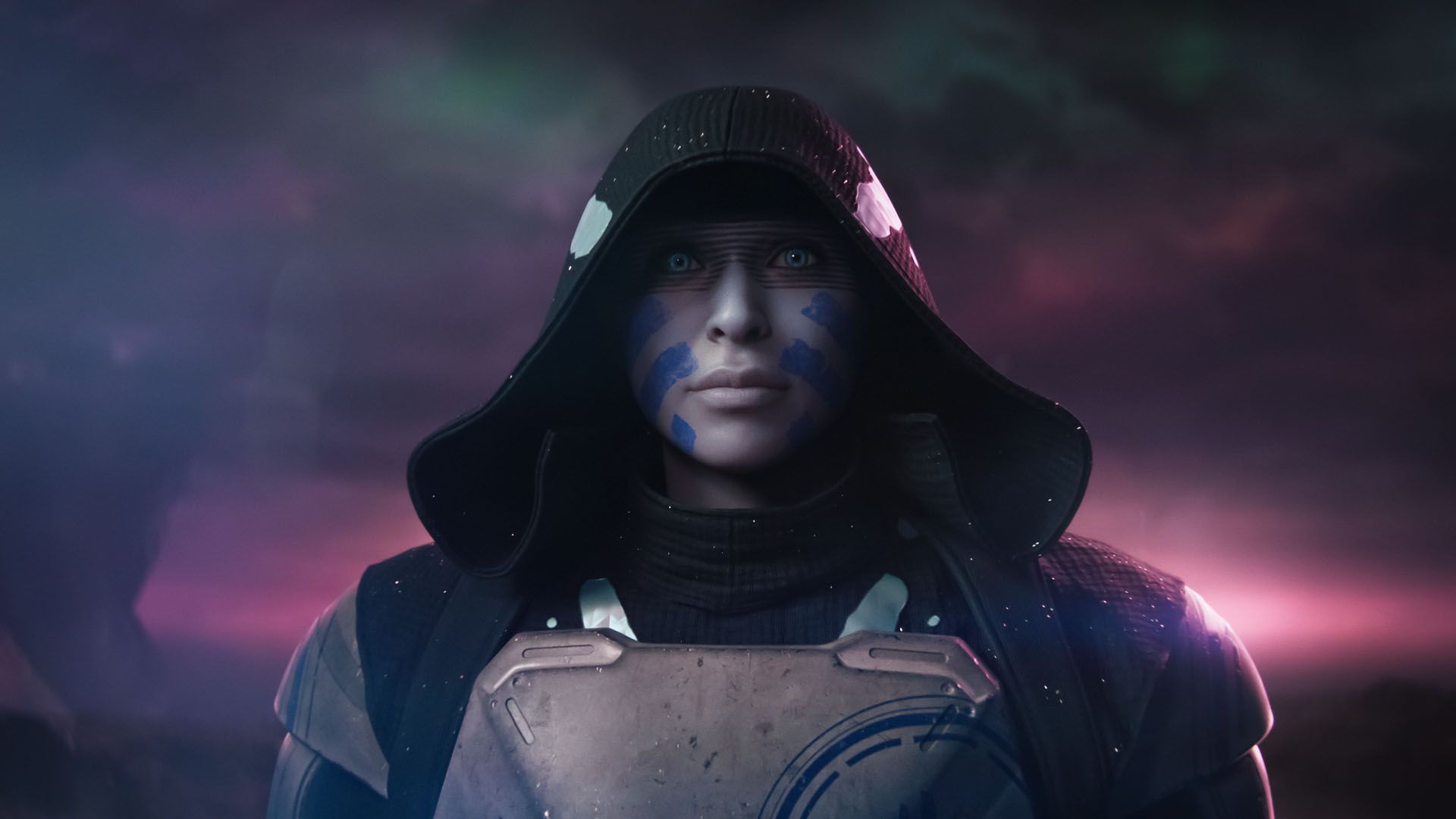
For a time, Destiny 2 was a masterclass in all kinds of gameplay, and only some of them involved pressing keys. Today, after 10 expansions, three episodes, 30 seasons, and almost nine years, Bungie announced that Destiny 2's live service development is coming to an end on June 9, 2026. It isn't surprising news: To the culture at large, Destiny 2 has become less of a game in earnest and more of a measuring stick for its beleaguered studio's dysfunction following years of blatant mismanagement, and Bungie's prolonged silence as player numbers continued to dwindle had become deafening. But it is sad news. As the culmination of Destiny 2's long, downward spiral, it's a moment of bitter finality for a game that I and many others had, at one point, loved best—even if it hadn't been that game in years. Destiny 2's broadest appeal was as a showcase for Bungie at the height of its shooter craft and sandbox design, melding best-in-class gunfeel, deliciously sculpted space wizardry, and reactive enemies that remain a pleasure to perforate. As PC Gamer's dear leader Tim Clark wrote in what, even after today's events, is unlikely to be his last twitter rant on the subject, "If you only know Destiny 2 by its deservedly terrible reputation, then you have missed out on one of, if not the, best feeling PvE shooters of all time." But I owe the almost 1,000 hours I've spent in Destiny 2 on Steam—and however many more I accumulated before it made the jump to PC—to where it directed my brain to wander as my fingers were occupied with the rhythmic percussion of shotgun blasts and void grenades. Destiny 2's gameplay is as much a matter of gunfeel as it is the knightly heraldry draped over Titan plate, the guns named "Parcel of Stardust" and "Alone as a God," and the sense of history evoked by the Fallen crafting their servitors in the image of their itinerant orb-god. A game is more than the keys it asks you to push. It's the way its nouns ping around your skull; the ominous poetry o
Source: PC Gamer