Gaming: Highguard Is Fine When You Don't Have An Internet In Your Ear...
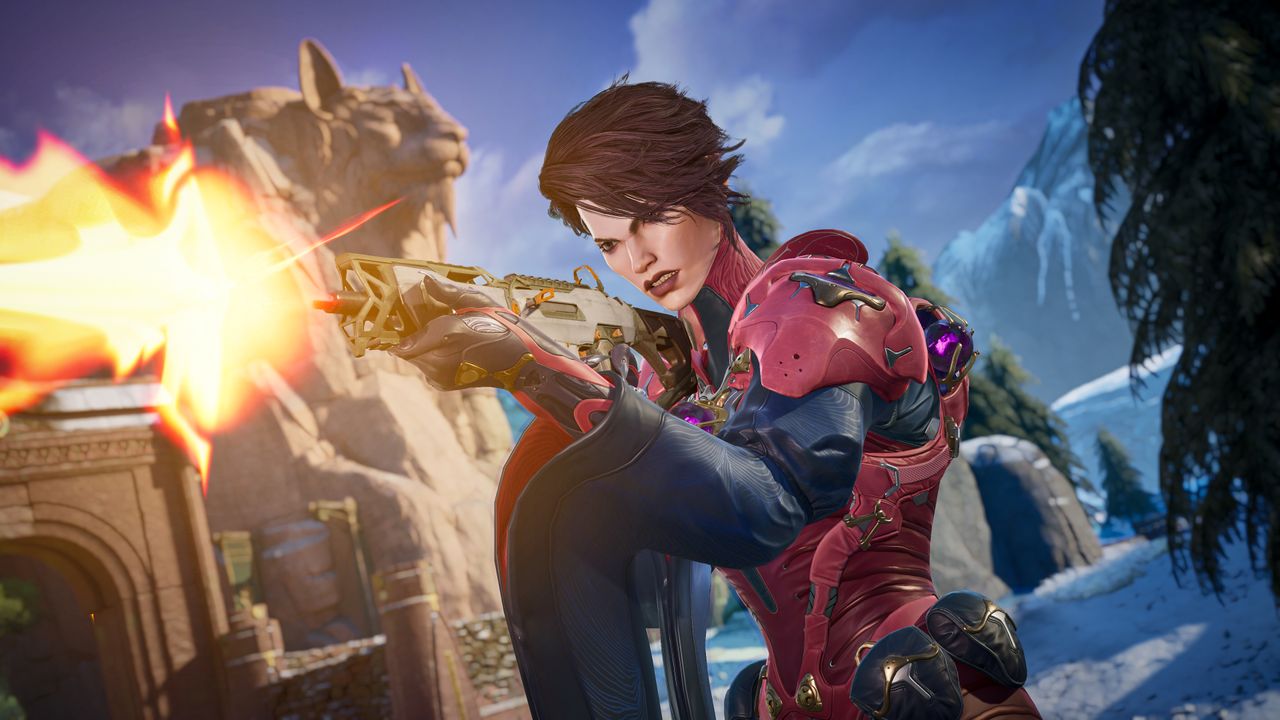
It's well made, but I don't see Highguard becoming a habit.
Let's set aside the noxious cloud of internet surrounding Highguard for a second, ignore those overwhelmingly negative Steam reviews full of folks who've played it for less than an hour, and pretend Highguard is just a new free-to-play FPS that came out today.
Hey, Highguard is out. I played around six hours between launch day and a preview event in Los Angeles last week. It's got slick gunplay, a neat 3v3 mode that I've never seen anywhere else, and a business model that sounds less scummy than most free shooters. It's pretty fun. I don't think I love it.
I will commend Wildlight Entertainment, the 100-person studio of mostly ex-Respawn devs, for coming up with a format so weird (yet functional) that you can't easily compare it. They call it a "raid shooter," which is appropriate, as winning comes down to blowing the other team's base to smithereens.
Highgard matches take place on a large map shared by just six total players—two teams of three. Teams begin in their fortress, fortify its breakable walls, then mount up and set off to loot the map. This phase plays out like an accelerated battle royale match—rushing to find better guns and armor, but usually not immediately fighting the other team. Violence tends to break out once the Swordbreaker, a literal sword, spawns in the middle of the map. First team to grab it and carry it to the enemy base triggers a siege.
Unlike a battle royale circle that forces enemy squads to clash by pushing them toward a center, the Shieldbreaker naturally draws the lobby to it. Once it appears, getting it is the only thing that matters. "Reverse capture the flag" was how Wildlight described this first phase of the match, and so far it's my favorite.
There's real tension to fighting over the big glowy sword, especially because the distance between the Shieldbreaker spawn and each base is just large enough that you can die, respawn at your base, and set up one last ambush before they reach your walls. Or, you let the other team grab the sword and then chase them down on your mounts.
Once a siege starts, Highguard slows down. Mounts are stowed, defenders take up overwatch positions, and the rules change to a bomb format similar to Rainbow Six Siege (but with respawns). That's right down to the blend of destructible and non-destructible walls that make up each base. Blow up two generators, or one harder-to-reach core, and you win. Fail to do enough damage before
Source: PC Gamer