Gaming: Highguard's Failure Is Emblematic Of Something That Has Tormented...
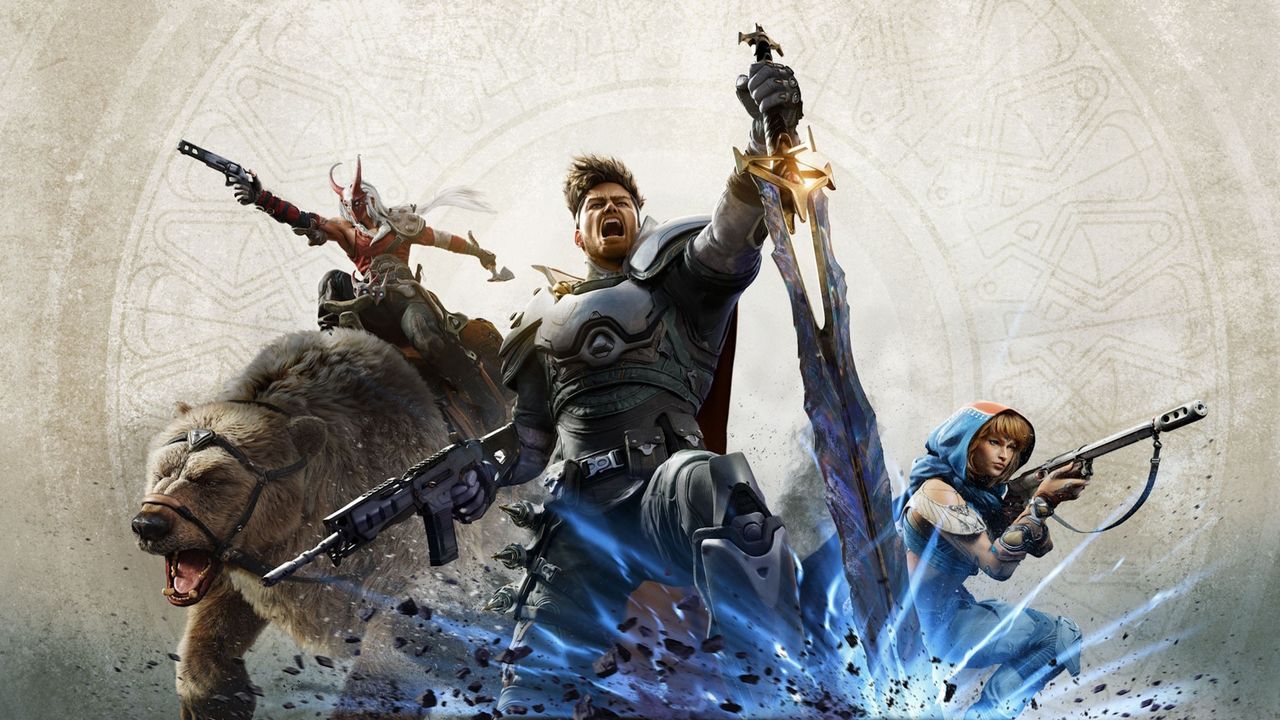
Another live service game is heading to the graveyard. Will the industry keep trying?
Keep up to date with the most important stories and the best deals, as picked by the PC Gamer team.
This week: Tyler has been making plans for PCG's coverage of next week's Game Developers Conference, which should shed more light on the issues at play here.
Every time a game like Highguard craters, we collectively wonder why the games industry keeps chasing huge live service hits when so many of them utterly fail.
The obvious answer is that, well, sometimes you do end up with a Helldivers 2, and you make hundreds of millions of dollars and everyone thinks you're really smart. But clearly, those bets are enormously risky, and one of the reasons they're so risky is a reality of today's games biz that has been tormenting executives and investors for years now: At least when it comes to live service games, past hits do not seem to be a good indicator of future hits. Like, at all.
For the past month, I've been hearing grievances from headline-only readers about my statement that "Highguard didn't flop," and it serves me right for trying to be clever, but what I pointed out beneath that headline—which I meant as a rhetorical jab, not a flat denial of reality—is that very few new shooters achieve the kind of instant hit status that Highguard needed to in order to keep the studio afloat.
As indicated by the reporting that has happened since, studio leaders hoped they could repeat the success of Apex Legends, which many of Highguard's developers worked on. And if you're an investor hoping for a big live service hit, why wouldn't you back a project from people who previously made a big live service hit?
But it just doesn't seem to work that way. Experience obviously matters in game development, as in any craft, but quality isn't really the issue here. Highguard is fine, or so I'm told, but they specifically needed a hit, and it just doesn't seem possible to manufacture one.
Just the other day, Riot Games—one of the most successful developers in existence—laid off a big portion of the dev team for its fighting game, 2XKO, which was developed with input from some of the world's foremost experts in the genre, yet clearly hasn't attracted the audience Riot desired or expected.
Even Valve, working with Magic: The Gathering designer Richard Garfield and in full control of Steam, inarguably the center of PC gaming, couldn't sustain a card game. (Which perhaps explains why it's ta
Source: PC Gamer