Crypto: How Pig-butchering Crypto Scams Turn Trust Into A Financial Weapon
Long-term trust-building tactics power pig-butchering crypto scams, the fastest-growing fraud threats today.
Unlike phishing attacks that defraud victims quickly, pig-butchering scams build long-term emotional trust before introducing fraudulent crypto investment opportunities.
From casual outreach and relationship building to fake profits, escalating deposits and blocked withdrawals, each step is carefully designed to deepen commitment.
Blockchain security firm CertiK reported $370.3 million in scam-related losses in January 2026 alone, with social engineering tactics accounting for the majority.
Authorities are targeting scam networks and laundering operations, yet cross-border jurisdictional issues and encrypted communications complicate crackdowns.
Pig-butchering frauds involve a long-drawn, methodical approach in which scammers instill confidence in their targets and later exploit it for monetary gain. Over the last few years, such schemes have proliferated within the crypto sector, making traders fearful of losing their funds. These frauds have reshaped how regulators and law enforcement view crypto-enabled crime.
This article explores how pig-butchering crypto scams manipulate victims through long-term relationship building and the exploitation of emotional trust using fabricated investment platforms. It explains the psychological tactics scammers use, how funds are extracted over time and why these schemes have become one of the fastest-growing global crypto fraud models.
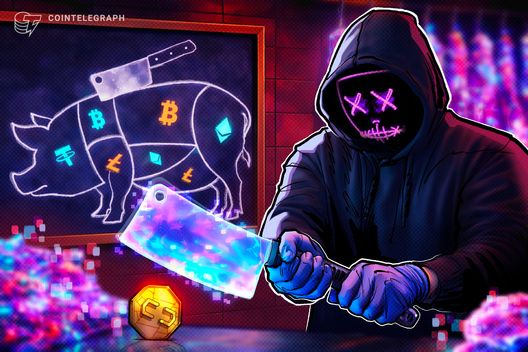
Pig-butchering derives from the Chinese expression “Sha Zhu Pan,” which refers to nurturing a target like livestock prior to slaughter. Applied to fraud, it entails scammers forging deep personal connections over extended periods. They then coax victims into sending funds to a deceptive digital currency venture.
While typical phishing tactics rely on urgency and alarm, pig-butchering scams hinge on persuasion and persistence. Scammers assume roles such as a confidant, adviser or financial consultant, methodically building trust before executing the scheme.
Did you know? Some victims interact with scammers for several months before investing, making pig-butchering one of the longest-running and most emotionally manipulative forms of online financial fraud.
Source: CoinTelegraph