Gaming: Instead Of Difficulty, Obsidian Designer Josh Sawyer Thinks In...
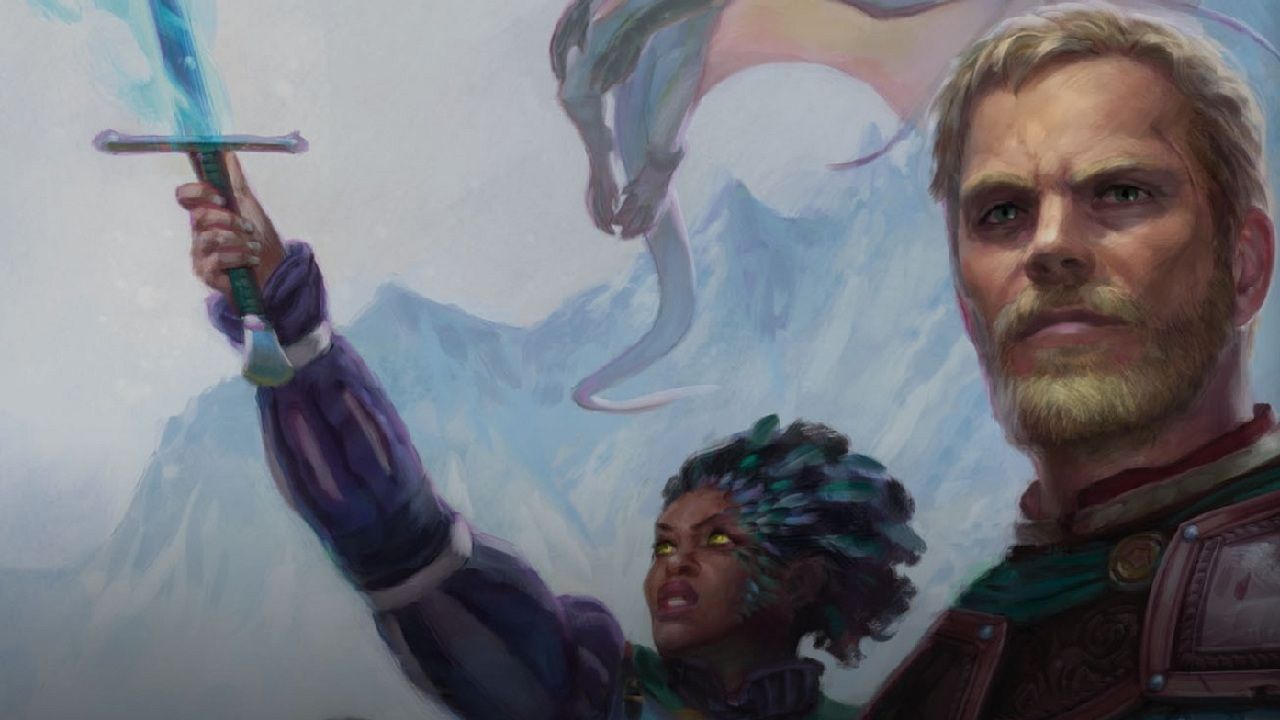
I'm usually looking for a bow that shoots chain lightning or something.
In a new video on his YouTube channel, Obsidian studio design director Josh Sawyer dug into how he thinks about difficulty when making a game. Ultimately, he sees it as less a question of setting immutable challenges for players to overcome, and more anticipating what they want out of the experience and responding to that.
"Do you have any insights into, or thoughts about exposing extremely granular difficulty options to players?" asked viewer agroggybog. They went on to explain that they were an avid modder, digging into the guts of games like Pillars of Eternity 2: Deadfire to tweak the progression curves of player stats—which is about as granular a difficulty modifier as you can get.
They further asked for Sawyer's thoughts on the cost/benefit analysis of letting players get so far into the weeds "officially," or at least baking in the modding freedom to do so.
"If it cost nothing—which it does not—then I would say let players in-game set their difficulty options however they like," said Sawyer. "And when it comes to exposing data tables and letting players mod that stuff, let 'em do whatever the heck they want."
The nature of this question has changed over the course of his career, though—he pointed to Black Isle and early Obsidian RPGs like Icewind Dale, Neverwinter Nights 2, and Fallout: New Vegas as games that easily allow for this level difficulty customization through modding. According to Sawyer, it's "more difficult to expose those things, especially on a data level" these days.
In terms of offering such "micro-difficulty" options in-game, he characterized it as a relatively deprioritized aspect of making a game, given the challenges and limited resources characteristic to game development. "I'm not saying this is the way it should be," said Sawyer. "I'm saying this is the way that it typically goes in game development."
But when working on difficulty settings in RPGs, broad or granular, Sawyer has gravitated toward designing for types of player, rather than level of difficulty. "I don't think, 'This is an easy player, this is a hard player.' I think you have players that come to the games for different reasons," Sawyer said. "It's more about 'What are they trying to get out of this game?'" To that end, he broke down RPG enjoyers (and thus Obsidian's target audience) into three broad categories:
Keep up to date with the most important stories and the best deals,
Source: PC Gamer