Iran’s Currency Collapse Shows Why Bitcoin Is Seen As An Exit Option (2026)
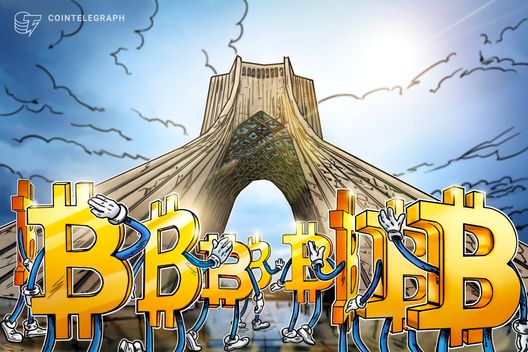
As Iran’s rial hits record lows, Bitcoin is resurfacing in public discourse. Its decentralized design is often cited as a contrast to state-managed fiat currencies.
Iran’s 2025 currency collapse sharply reduced the rial’s purchasing power, eroding household savings, pushing prices higher and weakening confidence in the banking system.
As fiat stress intensified, public debate in Iran widened to include financial alternatives. Bitcoin entered these discussions largely because it operates outside domestic monetary and banking frameworks.
Historical cases from Argentina, Lebanon and Turkey point to a recurring pattern. When national currencies lose credibility, digital assets tend to receive greater attention in public discourse.
At the same time, major barriers limit widespread Bitcoin adoption. These include price volatility, uneven access to technology, regulatory uncertainty, legal risks and practical operational challenges.
When Iran’s national currency, the rial, plunged to record lows against the US dollar, many Iranians saw the value of their life savings decline rapidly. Prices for everyday goods rose sharply, and confidence in the financial system weakened.
As monetary pressure on the rial intensified, public debate expanded around the financial alternatives available during a fiat currency crisis. In this context, Bitcoin (BTC) began to appear in discussions as a potential exit option.
This article examines when Bitcoin is discussed as an exit option during periods of financial crisis. It outlines the factors behind the Iranian rial’s 2025 decline, the debate around Bitcoin as a financial alternative, comparative perspectives from other economies under stress and the limitations to broader Bitcoin adoption.
Iran’s currency difficulties are long-standing, but recent developments have intensified the pressure. The rial has depreciated steadily over decades, with the pace of decline accelerating amid high inflation, sanctions and prolonged economic mismanagement. As of Dec. 30, 2025, the Financial Times reported that the rial had lost more than 40% of its purchasing power since June 2025, falling to roughly 1.4 million rials per US dollar.
Banking sector problems have compounded the erosion of the rial’s value. Iran’s central bank has warned that several domestic banks face potential dissolution unless reforms are implemented, and at least one major state-owned lender has already failed. These developments have fueled public anger and uncerta
Source: CoinTelegraph