Complete Guide to Latest Dogpile Review
Charm and a solid formula go a long way to smoothing over this roguelike deckbuilder's ungroomed edges.
PC Gamer's got your back
Our experienced team dedicates many hours to every review, to really get to the heart of what matters most to you. Find out more about how we evaluate games and hardware.
What is it? A roguelike deckbuilder about melding dogs together.Release date December 10, 2025Expect to pay $10/£8.50Developer Studio Folly, Toot Games, FootPublisher WINGSReviewed on Nvidia Geforce RTX 3080, AMD Ryzen 9 5900X, 32GB RAMSteam Deck PlayableLink Official site
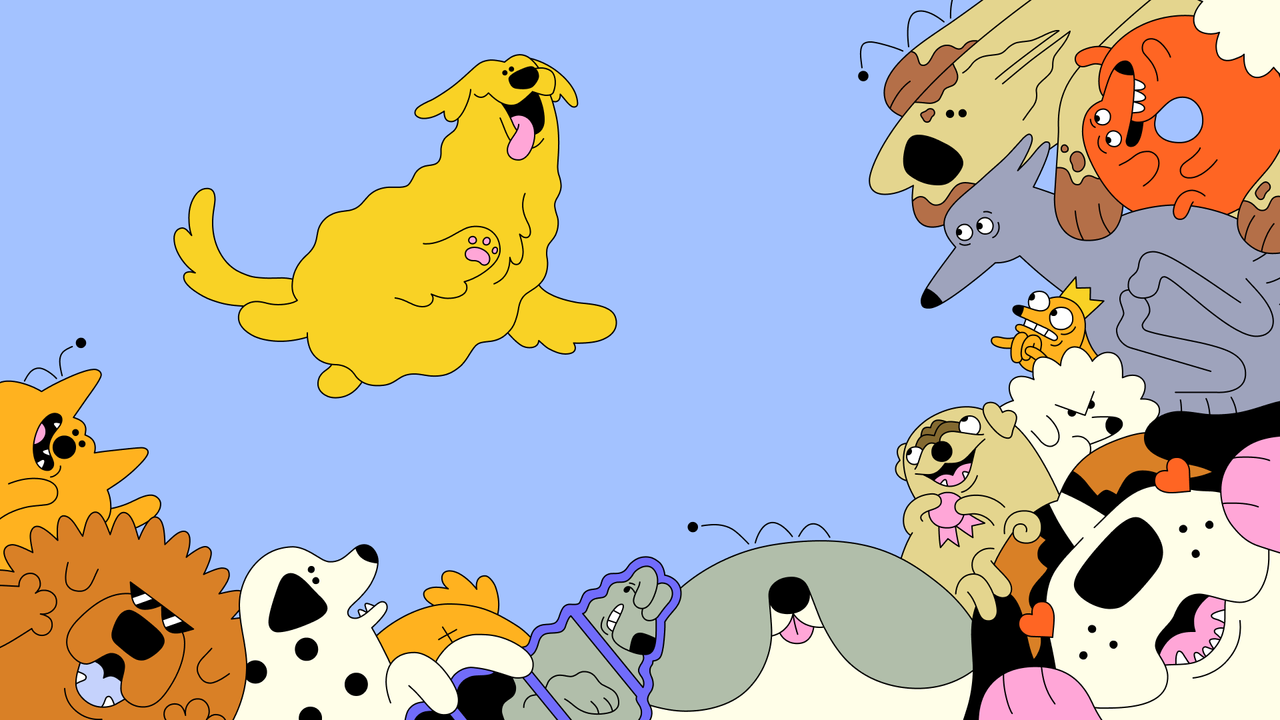
There are some games that build their entire experience around one ultra-satisfying little moment. In Dogpile, it's the point when two dogs of the same type touch and, with a chirpy little bark, merge into one bigger, higher value dog.
And if that new dog should happen to pop into existence already next to another dog of the same type, and start off a chain reaction of merges that jostles the whole pile around into an avalanche of yaps… oh boy, that's doggy heaven.
Dogpile wisely doesn't overcomplicate that core joy. The format is simple. Each hand, you draw three dogs from your deck, and choose where to drop them into the pit.
Earn enough bones (generated by merges) within five hands, and you'll earn some upgrades for your dogs. Draw the shop card, and you can use money (also generated by merges) to buy new dogs and tags which grant crucial bonuses.
The goal is simply to create the biggest dog available—the King—before your pile grows too tall and overflows the pit. Simple and satisfying.
Partly it's a game of manual dexterity and organisation. The dogs obey the whims of physics, allowing me to bounce them into each other, dislodge stacks, and otherwise pull off little trickshots. And there's a skill to piling them up in advantageous ways—preventing low-numbered dogs getting trapped beneath high-value ones, and creating groupings likely to lead to chain reactions.
Mostly, though, it's my deck-building strategy that's key to achieving canine harmony. Dog upgrades—like Showdog, which makes them earn more money when merged, or Pack, which grabs another random dog from my deck when they're played—can have a huge impact on how hands play out. Tags tend to have an even bigger effect, providing universal modifiers that often synergise with upgrades.
Source: PC Gamer