Cyber: Latest You Got Phished? Of Course! You're Human... 2026
You may have heard this type of phishing story before: an ordinary, careful user who let their guard down for a moment.
The victim may have been cautious by nature, frequently warned about scams by her tech-savvy husband, and generally skeptical of unsolicited messages. Yet a convincing text message claiming an unpaid toll caught her at the wrong moment.
The message felt routine, plausible, and urgent. She clicked the link, entered her credit card details on what appeared to be a legitimate site, and only later, she realized something was wrong.
But if you’re always vigilant, it won’t happen to you…or can it?
Here’s where phishing becomes more unsettling. What happens when the victim isn’t an everyday user, but a seasoned cybersecurity professional? In a candid account, a well-known security expert and author admitted that he repeatedly failed his own company’s internal phishing simulations—despite years of experience, training, and awareness.
These failures weren’t due to ignorance, but to timing, context, and human nature. His conclusion was blunt and humbling: anyone! including experts!! can be phished!!! if they are distracted, emotionally engaged, or operating on autopilot.
The lesson wasn’t about shame, but about realism: vigilance is a habit, not a credential.
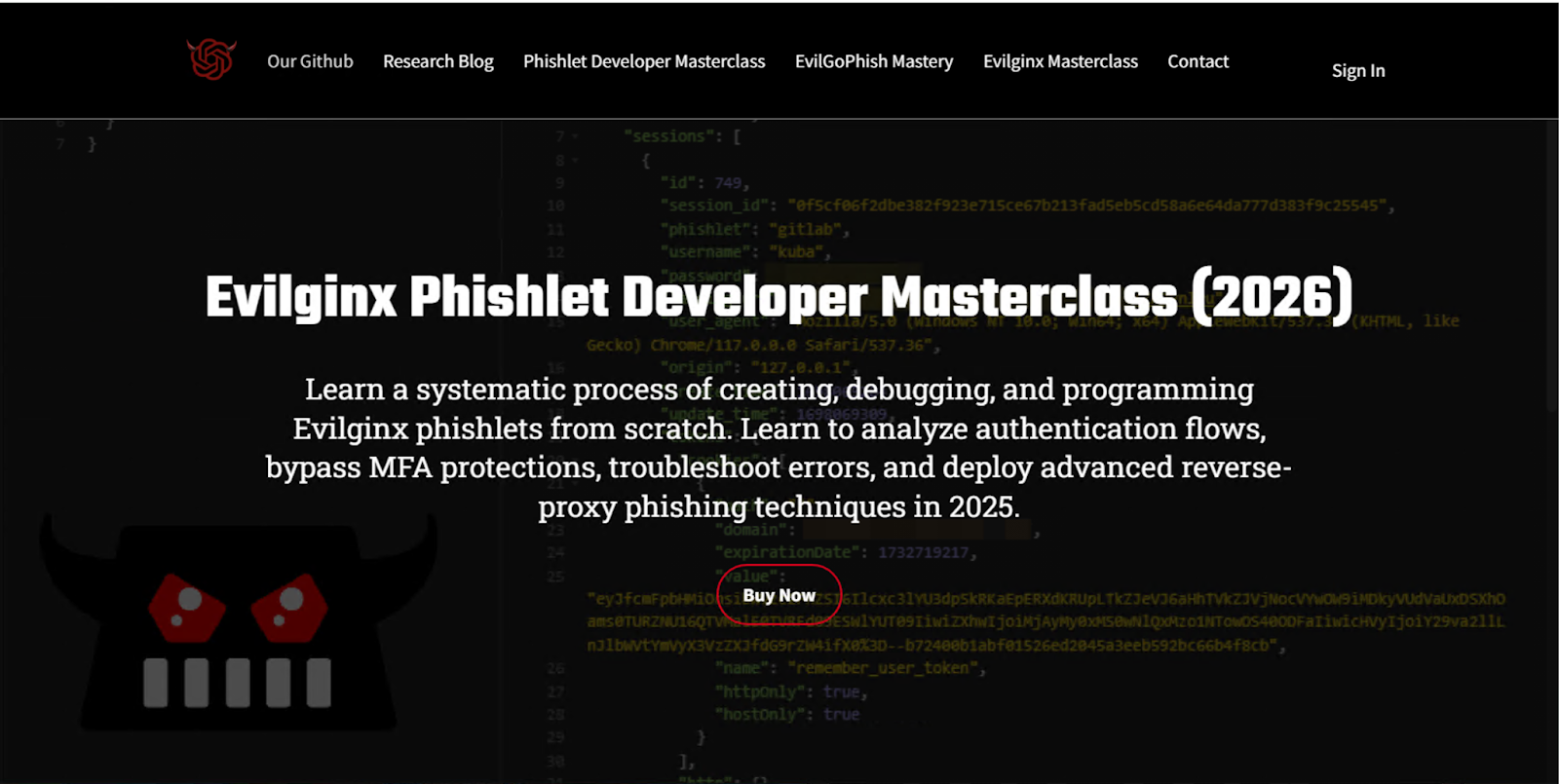
Phishing is a social engineering attack designed to trick users into revealing sensitive information, such as credentials, payment details, and access tokens. It can arrive via email, SMS (smishing), messaging apps, voice calls (vishing), or even collaboration platforms.
Modern phishing rarely looks “obviously malicious.” Instead, it mimics everyday digital interactions: package notifications, password resets, invoices, toll payments, HR updates, or security alerts.
The goal isn’t technical exploitation. It’s human exploitation. Attackers don’t break systems; they persuade people to open the door for them.
Source: BleepingComputer