Matrix Push C2 Uses Browser Notifications For Fileless,...

Bad actors are leveraging browser notifications as a vector for phishing attacks to distribute malicious links by means of a new command-and-control (C2) platform called Matrix Push C2.
"This browser-native, fileless framework leverages push notifications, fake alerts, and link redirects to target victims across operating systems," Blackfog researcher Brenda Robb said in a Thursday report.
In these attacks, prospective targets are tricked into allowing browser notifications through social engineering on malicious or legitimate-but-compromised websites.
Once a user agrees to receive notifications from the site, the attackers take advantage of the web push notification mechanism built into the web browser to send alerts that look like they have been sent by the operating system or the browser itself, leveraging trusted branding, familiar logos, and convincing language to maintain the ruse.
These include alerts about, say, suspicious logins or browser updates, along with a handy "Verify" or "Update" button that, when clicked, takes the victim to a bogus site.
What makes this a clever technique is that the entire process takes place through the browser without the need for first infecting the victim's system through some other means. In a way, the attack is like ClickFix in that users are lured into following certain instructions to compromise their own systems, thereby effectively bypassing traditional security controls.
Matrix Push C2 is offered as a malware-as-a-service (MaaS) kit to other threat actors. It's sold directly through crimeware channels, typically via Telegram and cybercrime forums, under a tiered subscription model: about $150 for one month, $405 for three months, $765 for six months, and $1,500 for a full year.
"Payments are accepted in cryptocurrency, and buyers communicate directly with the operator for access," Dr. Darren Williams, founder and CEO of BlackFog, told The Hacker News. "Matrix Push was first observed at the beginning of October and has been active since then. There's no evidence of older versions, earlier branding, or long-standing infrastructure. Everything indicates this is a newly launched kit."
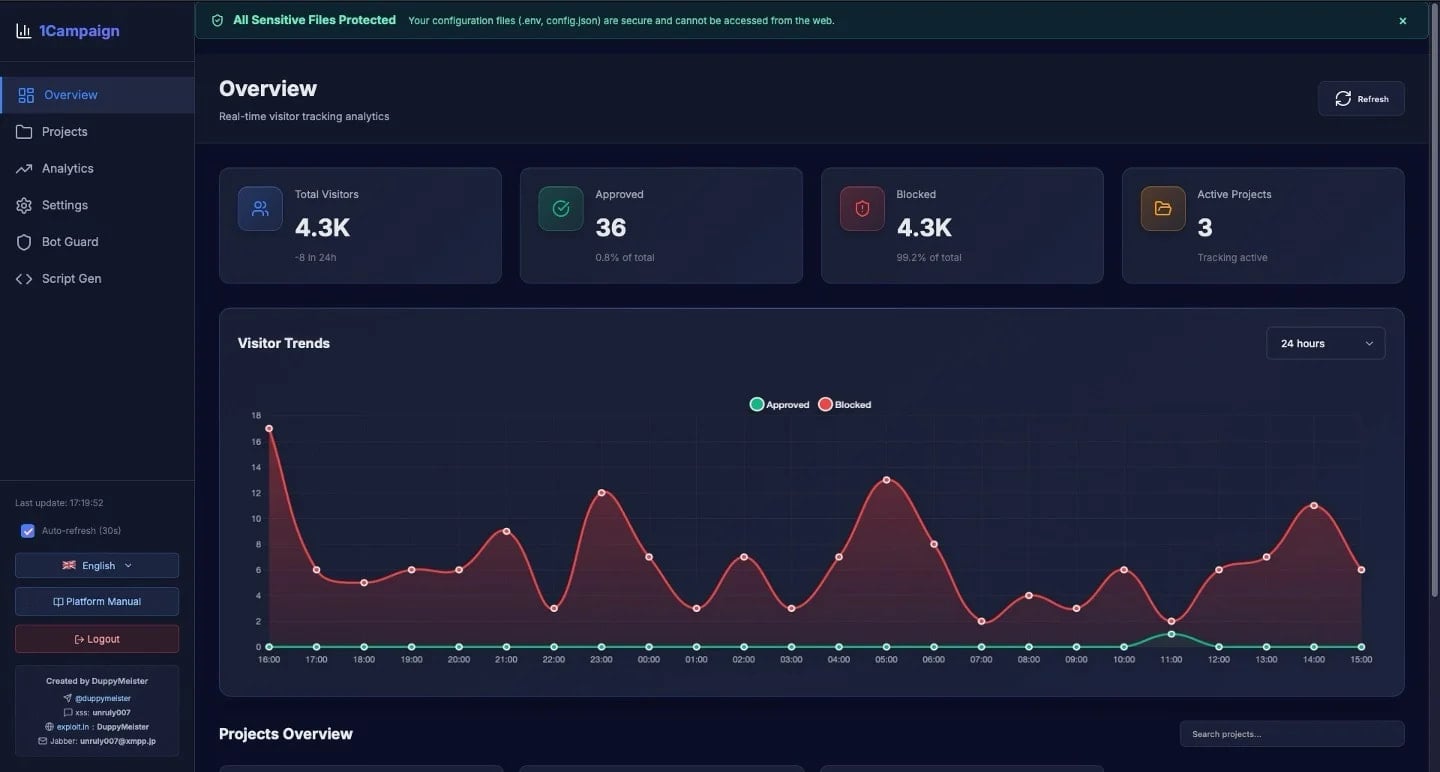
The tool is accessible as a web-based dashboard, allowing users to send notifications, track each victim in real-time, determine which notifications the victims interacted with, create shortened links using a built-in URL shortening service, and even record installed browser extensions, including cryptocurrency wallets.
"Th
Source: The Hacker News