Gaming: Meta Knowingly Earns Ad Money From 'criminals And Scammers' Claims...
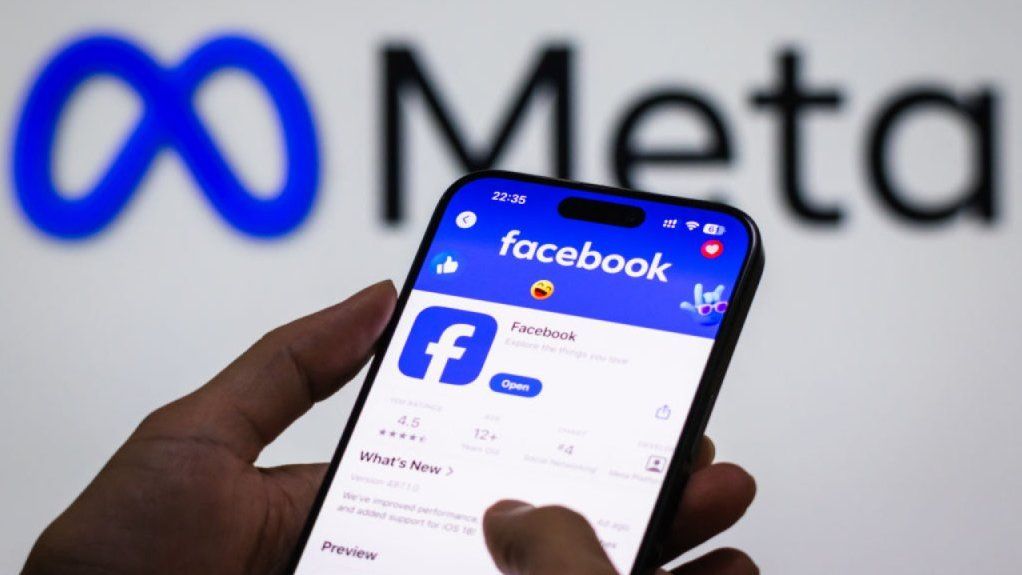
Meta's searchable ad library for Facebook and Instagram is a 'window into criminality'.
Meta is allegedly "turning a blind eye" to illegal online casinos advertising on Facebook and Instagram. So says the Gambling Commission, a government body that regulates gambling services and activities in the UK. Very likely, few will be surprised by this conclusion.
During a speech at the ICE Barcelona trade show (via Reuters), the Gambling Commission's executive director Tim Miller said that anyone who has spent "even a little time" on Facebook or Instagram will have been served ads for illegal online casinos.
Miller explained that Meta claims to remove any such ads when notified of their existence. But that implies Meta is unaware of these ads until being alerted to them by third parties. "That is simply false," he said.
According to Miller, Meta even tried to shift responsibility for sorting this all out onto the Gambling Commission. "Their suggestion was that we should deploy AI tools ourselves to monitor and find these ads and then report them," he said. Miller also described Meta's searchable ad library as "a window into criminality."
All of this lead Miller to conclude, "it could leave you with the impression they are quite happy to turn a blind eye and continue taking money from criminals and scammers until someone shouts about it."
Predictably, Meta effectively denies these allegations. "We've been working closely with the Commission to identify and remove all the flagged ads found in violation of our policies, and we're using this intelligence to further improve the proactive detection tools we already have in place," a spokesperson told Reuters.
"We would encourage the Commission to continue to collaborate with us to ensure users and legitimate advertisers are protected from these bad actors."
Keep up to date with the most important stories and the best deals, as picked by the PC Gamer team.
You could argue that, in the end, this all comes down to how social media platforms are classed in law. Should they be viewed as publishers, every bit as responsible for the content on their platforms as a print magazine is for the contents of its pages?
Source: PC Gamer