Micron Says It's Not To Blame For Its High Memory Prices: 'there's... (2026)
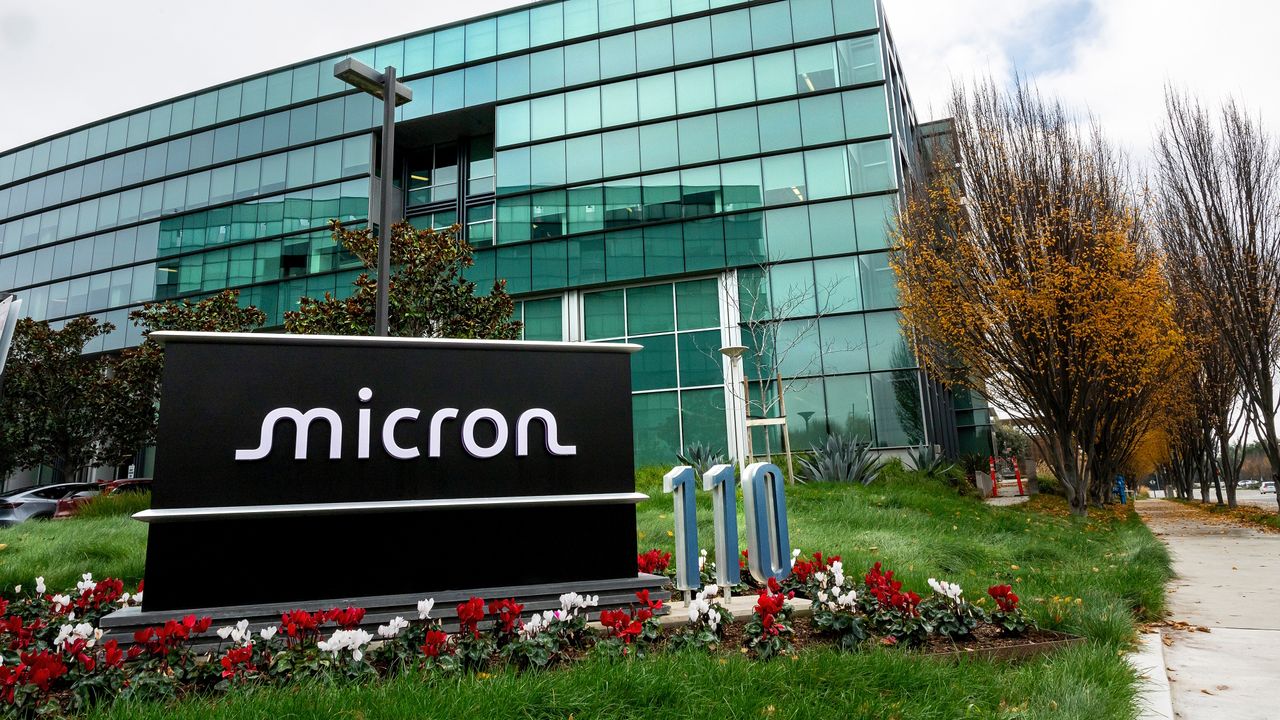
Another day, another reminder that we're in the midst of a memory crisis, this time from Micron. This time, though, the company is responding directly to the idea that memory manufacturers like itself are to blame for rising consumer memory prices. Tech publication Wccftech asked Micron's VP of Marketing, Mobile and Client Business Unit, Christopher Moore, about this.
Moore said: "Our viewpoint is that we are trying to help consumers around the world. We're just doing it through different channels … What's going on right now is that the TAM [total addressable market] and data center is growing just absolutely tremendously. And we want to make sure that, as a company, we help fulfill that TAM as well."
"This is not a Micron issue, it's an industry issue, where us and our peers or our competitors are all rushing to service these segments as much as we can, and there's just not enough supply to go around … Memory manufacturers are scrambling to build newer production lines, yet constraints of the process eventually forces them to push the timelines ahead by several quarters, which means that for the average consumer, the DRAM shortages could persist for quite some time now, or at least until the AI demand starts to fade away."
In other words, there's just more demand right now because of AI, so what do we expect? And to be honest, I tend to agree. While I'm not ruling out memory manufacturers capitalising on the high demand, the problem, ultimately, comes down to that demand existing and ballooning for the promise of an uncertain future reward.
In case you've been living under a blissfully unaware rock—and honestly, can I join you?—we're in an AI-induced memory shortage right now. The seemingly ever-inflating and money-juggling bubble that is the market of AI hardware, software, and ecosystems requires a heck of a lot of memory, so memory makers like Micron have started to churn out DRAM for all those AI datacentres.
For consumers such as PC gamers, the main effect we've seen so far is rapidly climbing prices of RAM and any systems or devices that contain memory. It's hardly a secret, of course, nor is the fact that it looks to continue for quite some time.
In December, RAM manufacturer G.Skill explicitly blamed "high demand from the AI industry", and Goldman Sachs research led industry analyst Jukan to say that "some suppliers see potential for conventional DRAM prices to rise by double-digit percentages (%) quarter-over-quarter (QoQ) throughout every
Source: PC Gamer