Gaming: Moroccan Pirate Queen Sayyida Al-hurra Was Largely Omitted From...
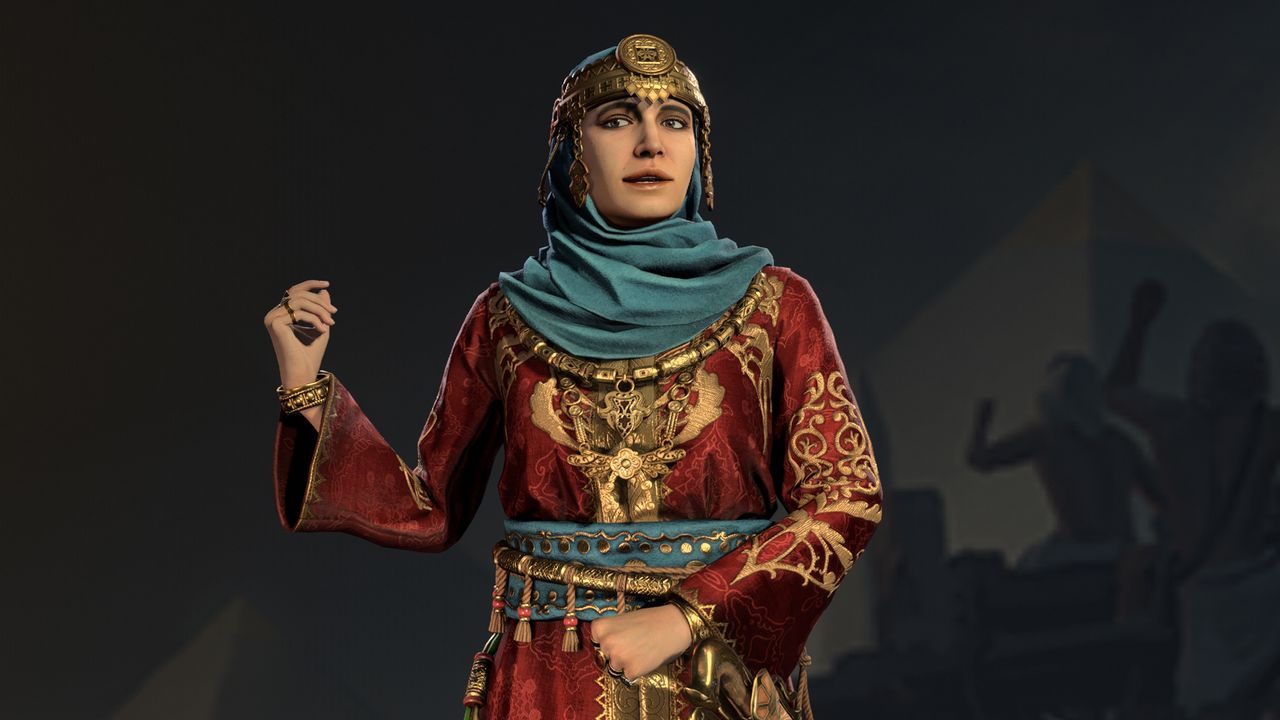
How one of the Mediterranean's least-known pirates became a strategy-game star.
If you read the history books of the 16th century, Sayyida al-Hurra will rarely show up. The powerful women of the Mediterranean and Islam typically don't, except as footnotes or asides. So her leadership, piracy and plundering for her people never quite made the major texts.
But the "pirate queen" of Morocco is finally receiving her due, at least in videogame form, as one of the playable heroes in Civilization 7's recent Tides of Power Collection DLC—thanks in part to the digging of one University of Kansas professor.
"[Al-Hurra] is fascinating," says Finn Taylor, senior narrative designer at Firaxis Games for the 4X strategy title. "She was highly educated, greatly respected by both friends and foes, and accomplished remarkable feats during a challenging time in Moroccan history."
Her last name is actually an honorific title, meaning "free," and is given to those who lead—similar to a regional mayor. When Amal El Haimeur, an assistant professor at the University of Kansas, ran across her name as an aside in a book, she was immediately curious. Sayyida was one of two women in El Haimeur's memory to hold the title, and the only one in Morocco.
"It became a research question for me: What led her to power?" El Haimeur says.
The more the researcher dug, the more interesting the queen became: She was born to a prominent family and was highly educated in both Spain and Morocco; learned governance and marine skills from her first husband, ruling the city of Tétouan when he was absent; and took over after his death with the help of an older brother, an advisor to the king.
"The people did not object," El Haimeur says. "People really liked her governance, according to primary sources. She was described as intelligent, strong, flexible—and beautiful as well."
Keep up to date with the most important stories and the best deals, as picked by the PC Gamer team.
In addition to leading locally, the queen married a king in the Berber Wattasid dynasty, her second husband. During her rule, she supported her region in a number of ways, including both diplomacy and piracy. Raiding enemy ships was seen as protecting local interests at the time, says El Haimeur.
Source: PC Gamer