New Enterprise Credentials At Risk – Same Old, Same Old? 2025

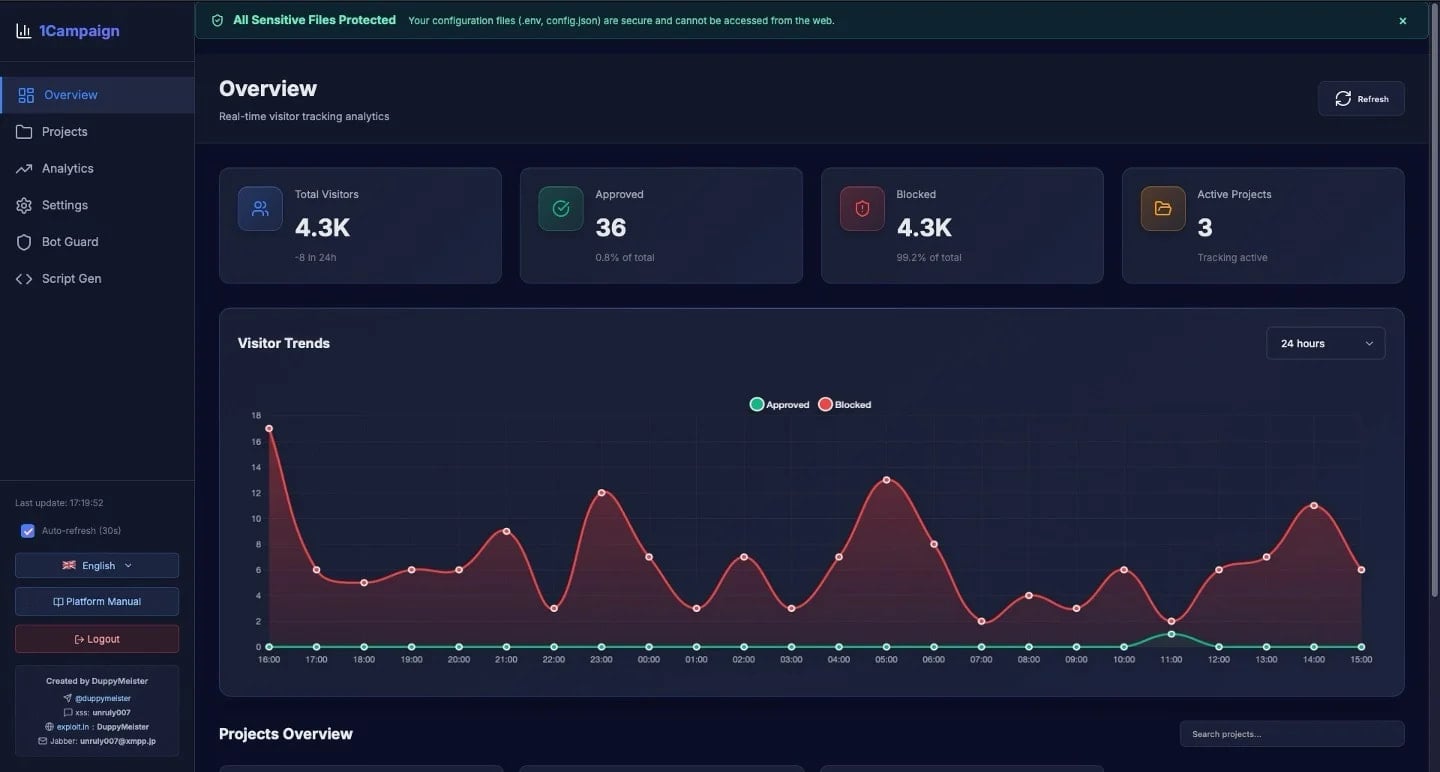
Imagine this: Sarah from accounting gets what looks like a routine password reset email from your organization’s cloud provider. She clicks the link, types in her credentials, and goes back to her spreadsheet. But unknown to her, she’s just made a big mistake. Sarah just accidentally handed over her login details to cybercriminals who are laughing all the way to their dark web marketplace, where they’ll sell her credentials for about $15. Not much as a one-off, but a serious money-making operation when scaled up.
Criminals have no shortage of ways to get their hands on your company’s user credentials:
Just like a car theft ring has different players — from the street-level thieves grabbing cars to the chop shop operators and overseas exporters — the credential theft ecosystem has bad actors who want different things from your stolen credentials. But knowing their game can help you better defend your organization.
Opportunistic fraudsters want quick cash. They'll drain bank accounts, make fraudulent purchases, or steal crypto. They aren’t picky – if your business credentials work on consumer sites, they'll use them.
Automated botnets are credential-testing machines that never sleep. They throw millions of username/password combos at thousands of websites, looking for anything that sticks. The name of their game is volume, not precision.
Then criminal marketplaces act as middlemen who buy stolen credentials in bulk and resell them to end users. Think of them as the eBay of cybercrime, with search functions that let buyers easily hunt for your organization's data.
Organized crime groups treat your credentials like strategic weapons. They'll sit on access for months, mapping your network and planning big-ticket attacks like ransomware or IP theft. These are the kind of professionals who turn single credential compromises into million-dollar disasters.
Once attackers get their hands on a set of working credentials, the damage starts fast and spreads everywhere:
But that’s just the beginning. You could also be looking at regulatory fines, lawsuits, massive remediation costs, and a reputation that takes years to rebuild. In fact, many organizations never fully recover from a major credential compromise incident.
The reality is that some of your company’s user credentials are likely already compromised. And the longer the exposed credentials sit out undetected, the bigger the target on your back.
Source: The Hacker News