New Nakivo Release V11.1 With Upgraded Disaster Recovery And Msp...
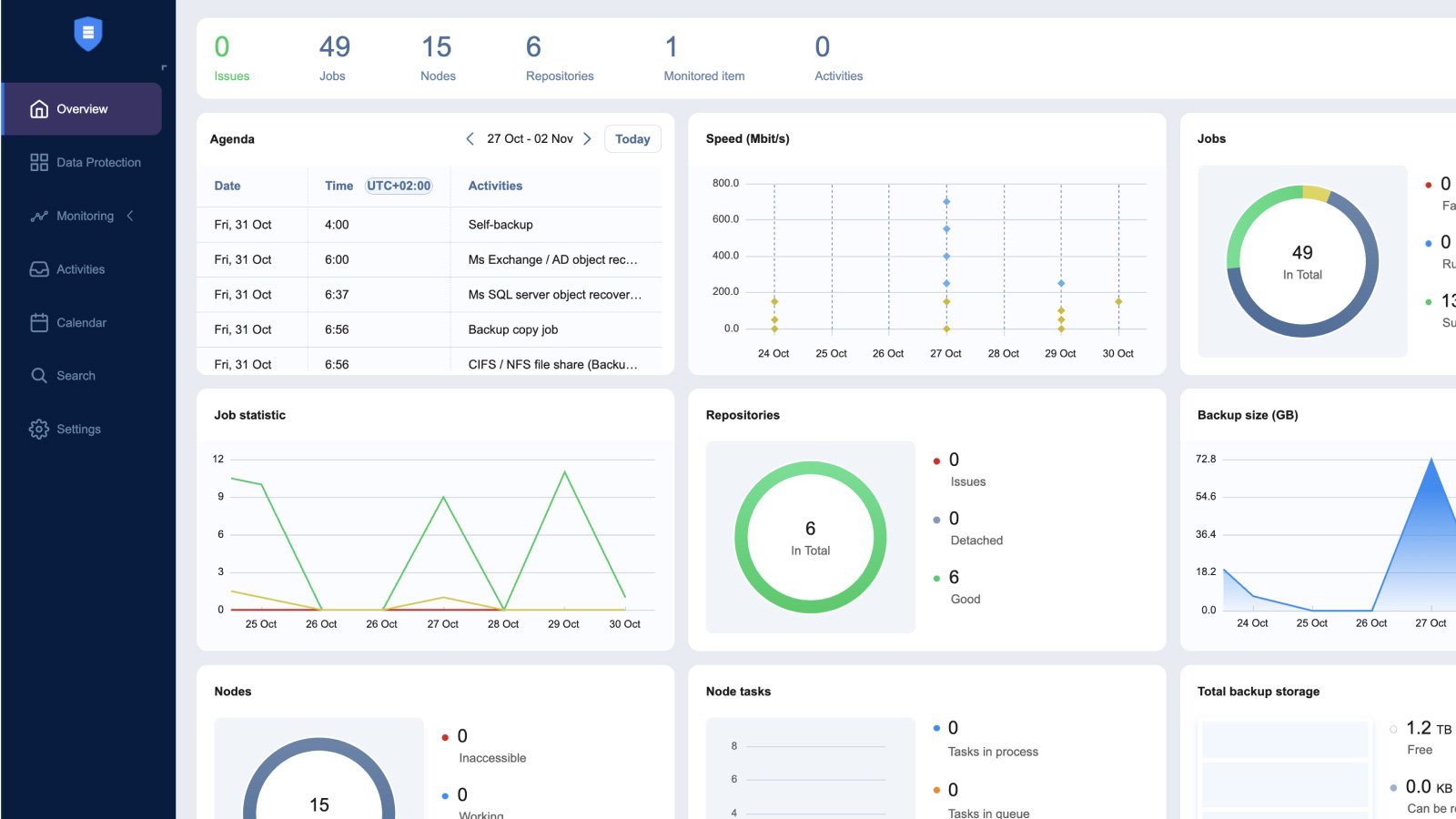
The new release expands the solution’s capabilities with five additional interface languages, enhanced Proxmox VE backup and recovery, automated real-time replication, improved MSP Direct Connect, and granular backups for physical machines.
NAKIVO, a global leader in backup, ransomware protection and disaster recovery across virtual, physical, cloud, NAS and SaaS environments, has officially introduced NAKIVO Backup & Replication v11.1.
This version brings a refined suite of improvements designed to strengthen disaster resilience and minimize downtime and data loss across diverse IT environments, while making accessibility and MSP tenant management even more efficient.
Version 11.1 extends NAKIVO Backup & Replication’s linguistic reach, now offering full support for French, Italian, German, Polish and Chinese—alongside English and Spanish.
This allows users to run backup and recovery operations, automate workflows and manage resources in whichever language feels most natural, enhancing the overall user experience.
NAKIVO v11.1: Instant VM recovery with Flash VM Boot, real-time replication for zero data loss. Automated disaster recovery across VMware, Proxmox, Hyper-V, and physical systems.
Building upon the groundwork set in version 11, the v11.1 release brings major upgrades to Proxmox VE support. Businesses can now achieve higher resilience without expensive infrastructure changes. The update includes:
Previously, connecting MSP systems with client environments required opening ports on the client side. With v11.1, the new MSP Direct Connect removes that necessity, introducing a streamlined and secure connection model that simplifies onboarding and deployment.
All communications between the MSP Director and Client Transporter are fully encrypted to comply with rigorous security standards.
Support now extends beyond VMware and Windows/Linux machines to include Hyper-V and Proxmox VE, extending the capabilities of NAKIVO backup for MSPs and enabling providers to manage hybrid infrastructures more efficiently than ever.
Source: BleepingComputer