Cyber: New Proactive Strategies For Cyber Resilience With Wazuh 2026
Cyber resilience involves the ability to anticipate threats, withstand active attacks, respond quickly to incidents, and recover operations with minimal disruption. Modern cyber threats continue to introduce new challenges, which is no longer a question of whether a security incident will occur, but when.
Over the years, trends have shown that traditional reactive security approaches are insufficient to defend against modern cyber threats. To keep pace with constantly evolving cyber threats, organizations must adopt proactive strategies focused on cyber resilience.
Wazuh, an open source security platform, provides the capabilities needed to build proactive cyber resilience. By combining SIEM and XDR capabilities, Wazuh enables organizations to detect threats early, respond to incidents effectively, and continuously adapt their defenses as threats evolve.
A resilient organization is not defined solely by its ability to prevent attacks, but by how quickly it can identify, contain, and recover from them while maintaining operations. Achieving this level of preparedness requires security platforms that provide continuous security data, real-time detection, and rapid incident response capabilities.
In practical terms, cyber resilience depends on a set of core, proactive strategies that guide security operations:
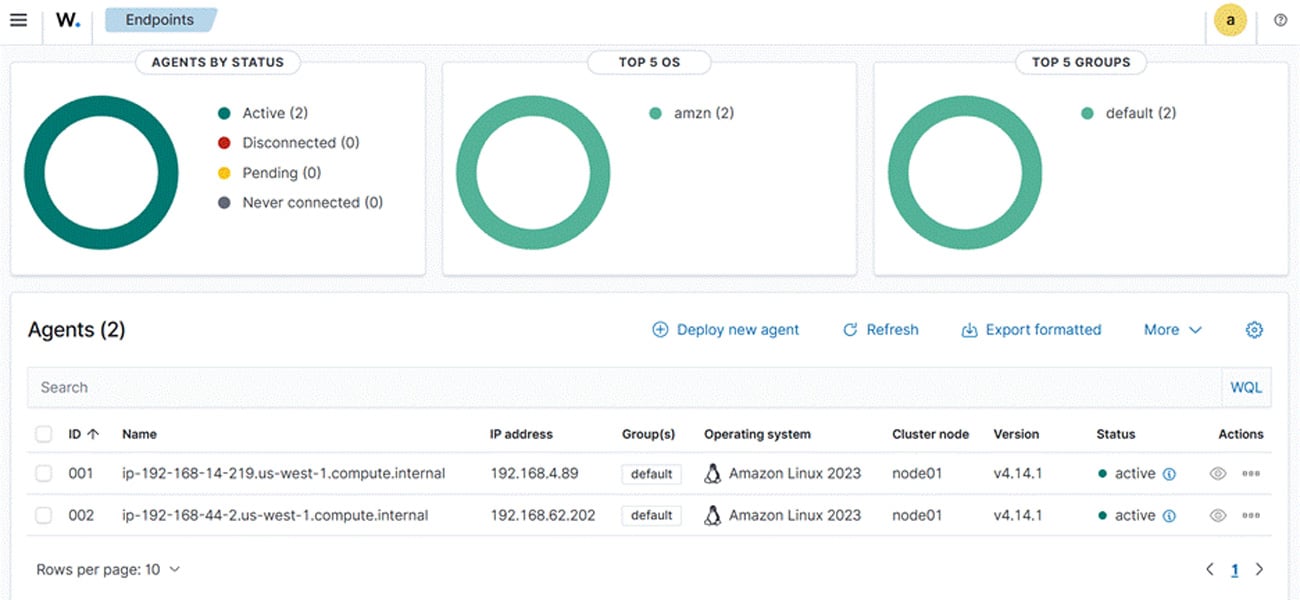
Visibility across your environment: Comprehensive visibility across endpoints, servers, applications, networks, and cloud workloads is essential for operational readiness. It enables security teams to understand normal behavior, confirm monitoring coverage, and ensure response readiness before incidents occur.
Early threat detection: Anticipating malicious activity at an early stage helps prevent attackers from establishing persistence and reduces the overall impact of an incident. By continuously correlating security data and system events, security teams can identify threats before they develop into full-scale compromises.
Rapid incident response: Coordinated and automated incident response capabilities enable organizations to contain threats swiftly, limit operational disruption, and maintain critical business functions during active cyber incidents.
Recovery and continuous improvement: Cyber resilience depends on the ability to recover quickly from incidents while continuously strengthening security controls and processes. Insights gained from incidents, detections, and assessments help organizations strengthen defenses and reduce future ris
Source: BleepingComputer