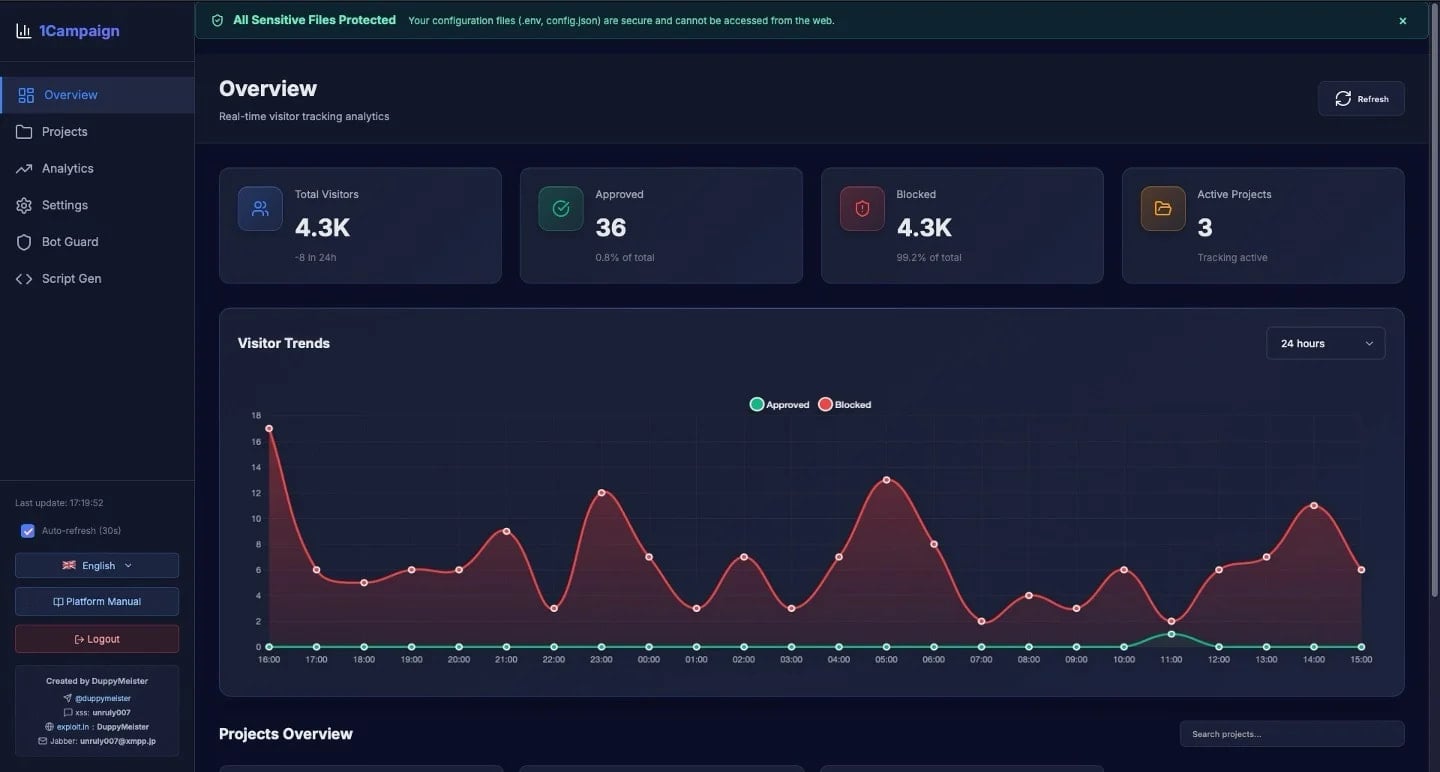
New Roi Problem In Attack Surface Management 2026

Attack Surface Management (ASM) tools promise reduced risk. What they usually deliver is more information.
Security teams deploy ASM, asset inventories grow, alerts start flowing, and dashboards fill up. There is visible activity and measurable output. But when leadership asks a simple question, "Is this reducing incidents?" the answer is often unclear.
This gap between effort and outcome is the core ROI problem in attack surface management, especially when ROI is measured primarily through asset counts instead of risk reduction.
Most ASM programs are built around a reasonable idea: you can't protect what you don't know exists. As a result, teams focus on discovery: domains and subdomains, IPs and cloud resources, third-party infrastructure, and transient or short-lived assets.
Over time, counts increase. Dashboards are trending upward. Coverage improves.
But none of those metrics directly answer whether the organization is actually safer. In many cases, teams end up busier without feeling less exposed.
ASM tends to optimize for coverage because coverage is easy to measure: more assets discovered, more changes detected, and more alerts generated. Each of those feels like progress.
The work is real. The risk reduction is harder to see.
One reason ASM ROI is hard to prove is that most attack surface metrics focus on what the system can see, not what the organization actually improves.
More meaningful attack surface metrics are rarely tracked:
Source: The Hacker News