New Your Crypto Wallet Is Your Digital Passport 2025
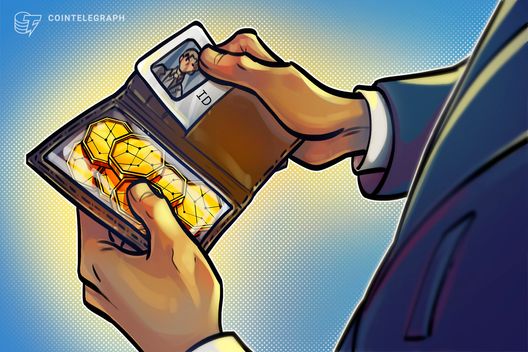
Crypto wallets have evolved beyond asset storage into portable identity containers and self-custodial hubs, using zero-knowledge proofs.
The world is changing. Fundamentals that are often taken for granted in the physical world are now becoming unified as the digital age begins. Identity, payments and access are now converging into one single location: a digital wallet.
Wallets are becoming the bedrock layer for access to the modern digital world, just as a passport unlocks physical movement across the globe.
Digital wallets now enable people’s access to identity, money and services through an online economy and grant true digital freedom for anyone, anywhere.
Across the European Union, digital identity regulations are already changing how people prove their identity, how they interact with institutions and how they engage with the physical world. Through the Digital Identity Wallet Regulation, citizens will soon be able to store national IDs, driver’s licenses and health credentials on mobile devices.
Alongside state-issued IDs, self-custodial wallets already support Web3 identity. For example, it’s now possible to register and use an Ethereum Name Service Web2-style domain for Web3 (like “alice.eth”) via a decentralized application (DApp) browser. That way, apps recognize you without you needing to share a long wallet address.
New decentralized frameworks for identity are helping to structure the crypto wallets of tomorrow, turning them into secure and verifiable identity containers.
Instead of relying on centralized systems or third parties, digital credentials can now be stored and managed directly within user-controlled wallets. These could include government IDs, educational diplomas and medical records.
The pilot programs can already be seen being rolled out in phases across the world via the EU’s Digital Identity Wallet, including in Germany, France, the Netherlands and Poland. Citizens will soon be able to verify their identity using verifiable credentials stored on their mobile devices.
Technology such as zero-knowledge proofs is being used to authenticate user attributes, like age or residency, without exposing their personal data. By creating user-owned identity with secure and on-demand verification, wallets are becoming digital identity hubs.
Source: CoinTelegraph