Gaming: Nvidia Might Be Doing What Was Once Unthinkable: Asking Intel To...
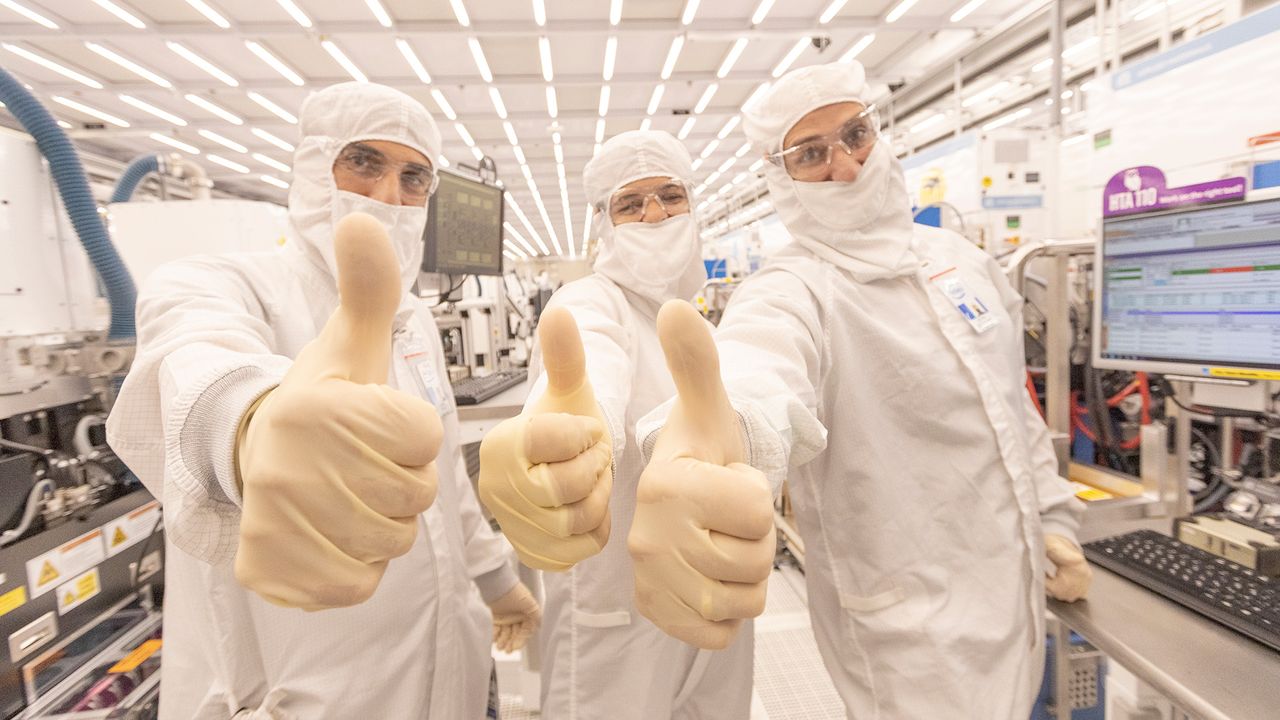
Nvidia isn't going all-in on Intel, according to the report, but it's better than nothing for the struggling foundry.
Intel has had a tough time convincing companies to come to its manufacturing division, Intel Foundry. Few are biting—preferring to go with tried-and-tested options, namely TSMC. Though the company may have just won a very important customer: Nvidia.
According to Digitimes, citing supply chain sources, Nvidia has signed on with Intel Foundry to manufacture some parts of its forthcoming Feynman chips.
Nvidia will reportedly use Intel for only some of its chips, namely the non-core bits. It's said to be choosing between Intel Foundry's 18A or 14A process nodes, dependent on whether Intel has high enough yields to reliably produce enough chips on the latter.
TSMC, the top dog in Taiwan, will still be leading the charge with the most important silicon, the GPU itself. Most likely on its A16 process node.
Feynman is the next major architecture on from Rubin and Rubin Ultra, which is set to arrive from 2028. Revealed at GTC last year, named after physicist Richard Feynman, Nvidia CEO Jensen Huang said very little about the tech specs of the new chip, but a slide behind him titled "Nvidia Paves Road to Gigawatt AI Factories" depicted the chip paired with a Vera CPU, IO, and network chips.
With gaming GPUs still on Blackwell, the architecture prior to Rubin, there's not much here for gamers as of yet.
Intel is in no hurry to tool up its fabs for 14A production. In an earnings call last week, Intel CFO David Zinsner confirmed that it's "aggressively getting tools on Intel 7, 10, 3, 18A" but "holding back on is 14A."
Keep up to date with the most important stories and the best deals, as picked by the PC Gamer team.
"14A is really linked to foundry customers, and it does not make sense to build out significant capacity there until we know that we have the customers that will accept that demand," Zinsner said.
Source: PC Gamer