Philippines Blocks Coinbase, Gemini Amid Wider Crackdown On...
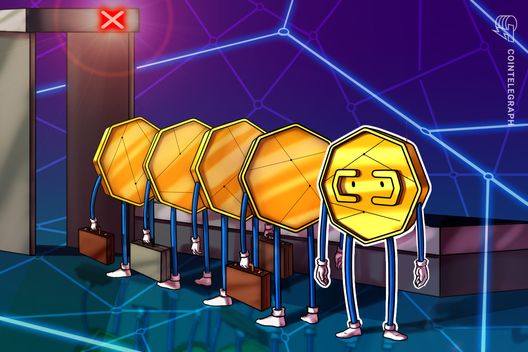
Philippine regulators are tightening control over crypto access, signaling that global exchanges must secure local licenses to operate.
Internet service providers (ISPs) in the Philippines began blocking major crypto trading platforms as regulators moved to enforce local licensing rules on crypto service providers.
Users reported that as of Tuesday, access to global cryptocurrency exchanges Coinbase and Gemini was unavailable in the Philippines. Cointelegraph independently confirmed that both platforms were inaccessible across multiple local ISPs.
A report by the Manila Bulletin said the ISP blocks followed an order from the National Telecommunications Commission, which directed providers to restrict access to 50 online trading platforms flagged by the Bangko Sentral ng Pilipinas (BSP), the central bank, as operating without authorization.
The central bank did not publish a full list of the platforms hit by the order. However, the change signals an ongoing shift by local regulators from informal tolerance to enforcement, making local licensing the deciding factor for crypto market access in the Philippines.
While the Philippines has only recently blocked Coinbase and Gemini, the country has made enforcement moves against unlicensed crypto exchanges in the past.
In December 2023, the country started a 90-day countdown, giving Binance time to comply with local regulations before enforcing a ban on the crypto trading platform.
The Philippines Securities and Exchange Commission (SEC) said the period was meant to allow Filipinos to remove their funds from the exchange.
On March 25, 2024, the NTC ordered local ISPs to block Binance. Nearly a month later, the SEC ordered Apple and Google to block the exchange’s application from their stores.
After the ban was enforced, the Philippines SEC said it could not endorse ways for Filipinos to retrieve their funds.
Source: CoinTelegraph