Gaming: Skyrim's Co-lead Designer Says Starfield's Main Problem Is That It...
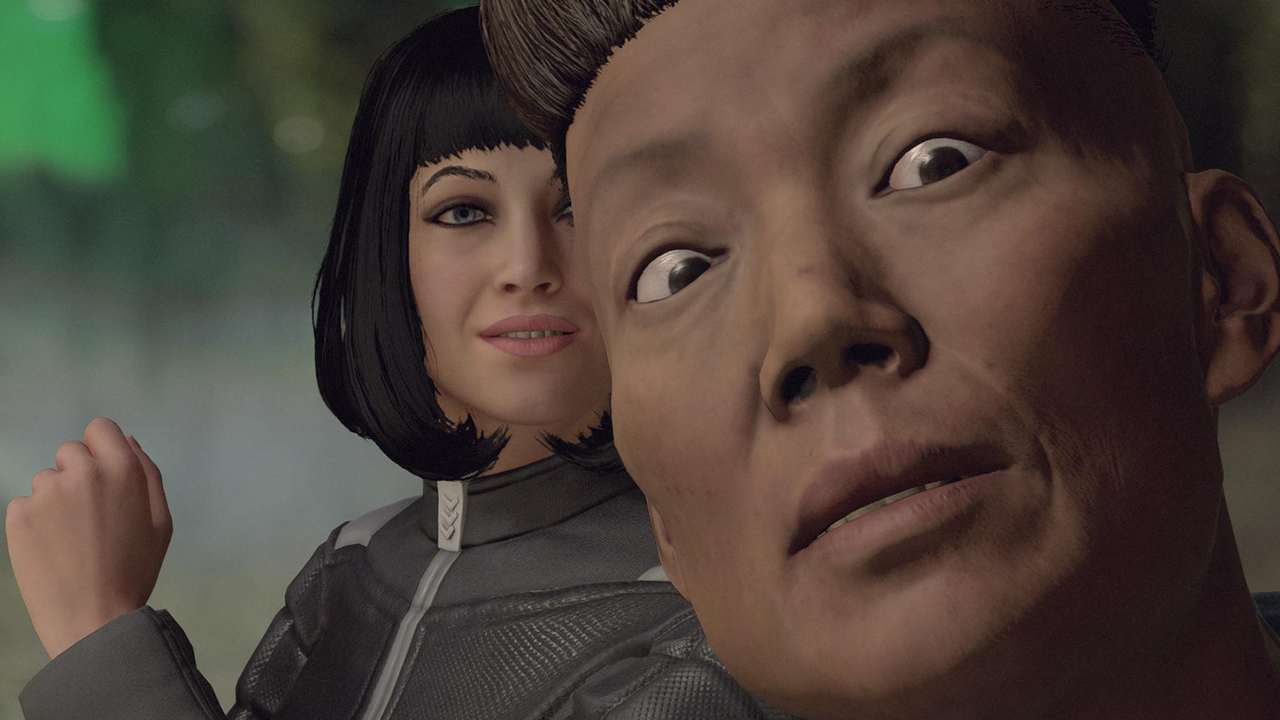
Starfield is a fascinating RPG. Not necessarily to play, but its development, its legacy—that's what's interesting. Massive in terms of ambition and scale, overflowing with checked open-world RPG boxes, crafted by a talented team who put years and years of work into it—so why is it a cautionary tale instead of an astronomical success?
According to Kurt Kuhlmann, Bethesda's former Elder Scrolls loremaster and the co-lead designer on Skyrim, "the main problem with Starfield is it didn't fully cohere as a game".
Kuhlmann left Bethesda in 2023, around the time of Starfield's launch, so he was there throughout development and thus was present for a lot of changes in regards to how Bethesda worked and how staff communicated.
When he was working on Skyrim, itself a massive endeavour, things were simpler. "I was working directly on the game, and I was a lead," he says. "That was how all the leads worked then, and so I was directly working with all the people, all the quest designers, myself." But from Skyrim on, that started to change, and it was "one of the main things" that Kuhlmann "didn't like".
By the time Starfield came around, "Todd [Howard] was still the creative director," Kuhlmann says, "and he had the leads, but the leads now included studio heads and producers and were from multiple studios".
There would be people talking to the leads in one studio and getting an answer, and people talking to the leads in the other studio and getting maybe a different answer.
Leads not "making content" didn't feel right to him. "I don't know that they were wrong and I was right, but I didn't like that, you know, it may be that when you have that many people, your job can't be also making content if you're actually also sort of managing that scope of the project."
With Zenimax having acquired various studios, the scope of Bethesda's projects increasing, and teams ballooning in size, communication problems where it wasn't clear who was making the decisions started to appear. "There would be people talking to the leads in one studio and getting an answer, and people talking to the leads in the other studio and getting maybe a different answer," Kuhlmann recalls.
Keep up to date with the most important stories and the best deals, as picked by the PC Gamer team.
Howard's growing responsibilities also created some speed bumps. "Decisions weren't being made maybe when they needed to be because maybe they needed Todd to make a decision as a tiebreaker and he was busy.
Source: PC Gamer