Cyber: Snail Mail Letters Target Trezor And Ledger Users In Crypto-theft...
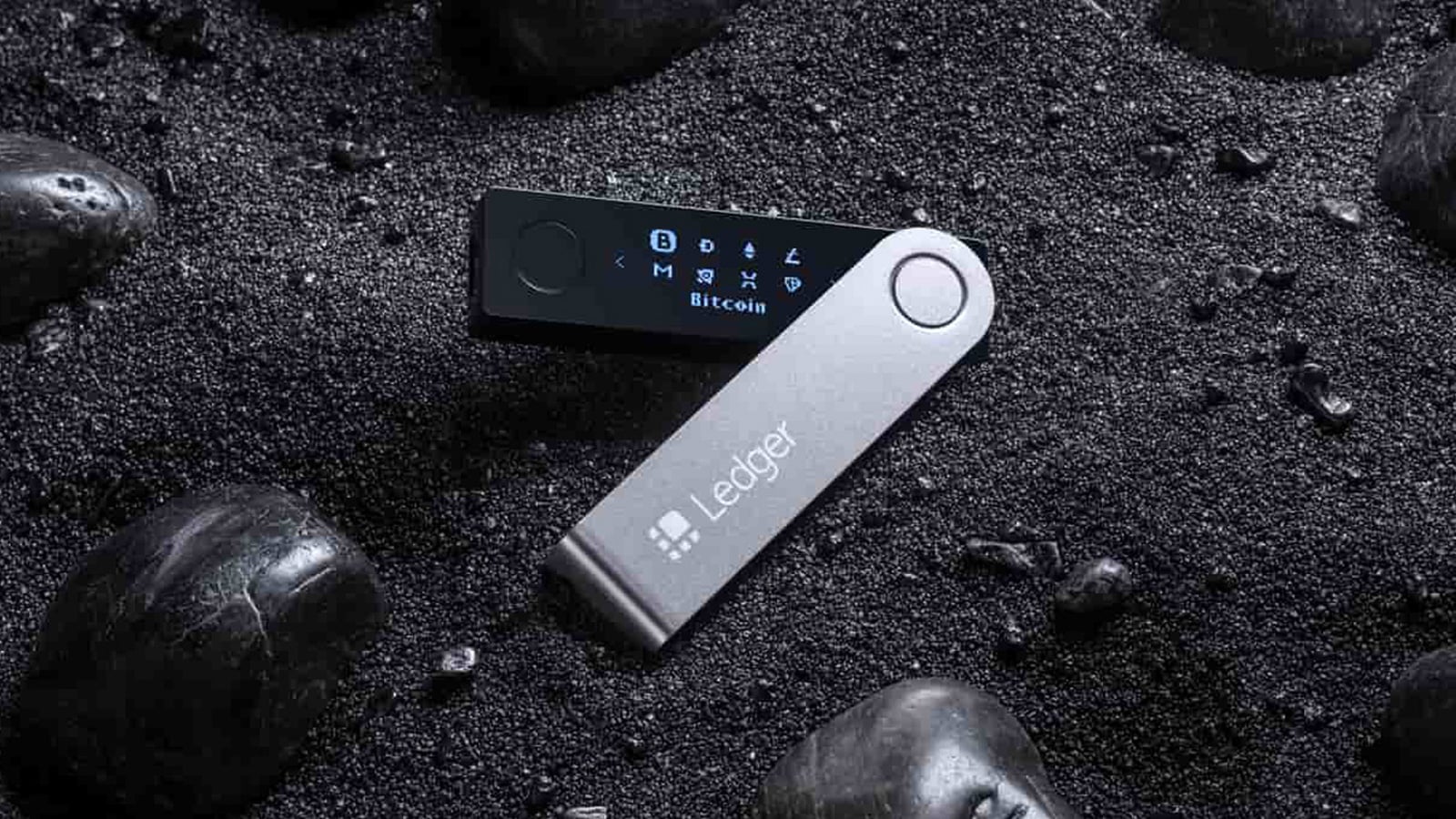
Threat actors are sending physical letters pretending to be from Trezor and Ledger, makers of cryptocurrency hardware wallets, to trick users into submitting recovery phrases in crypto theft attacks.
These phishing letters claim recipients must complete a mandatory "Authentication Check" or "Transaction Check" to avoid losing access to wallet functionality, creating a sense of urgency to pressure victims into scanning QR codes that lead to malicious websites.
Hardware wallet users report receiving snail mail letters printed on letterhead that impersonate official communications from Trezor and Ledger security and compliance teams.
It is unclear what the targeting criteria are for these letters, but both Trezor and Ledger [2] have suffered data breaches in the past couple of years that have exposed customer contact information.
A letter impersonating Trezor received by cybersecurity expert Dmitry Smilyanets claims that an "Authentication Check will soon become a mandatory part of Trezor," warning users to complete the process by February 15, 2026, or risk losing functionality on their devices.
"To avoid any disruption to your Trezor Suite access, please scan the QR code with your mobile device and follow the instructions on our website to enable Authentication Check by February 15th, 2026," reads the fake Trezor letter.
"Note: While you may have already received the notification on your Trezor device and enabled Authentication Check, completing this process is still required to fully activate the feature and ensure your device is synchronized with the full functionality of Authentication Check."
A similar Ledger-themed letter was shared on X, claiming a "Transaction Check" would soon become mandatory and warning users to scan a QR code to enable the feature by October 15, 2025, to avoid disruptions.
Scanning the QR codes leads victims to phishing sites impersonating official Trezor and Ledger setup pages, including:
At the time of writing, the Ledger phishing domain is offline, while the Trezor phishing site remains live but is now flagged by Cloudflare as a phishing site.
Source: BleepingComputer