Today I Learned That The Curvy Lithography Masks Used By Tsmc To...
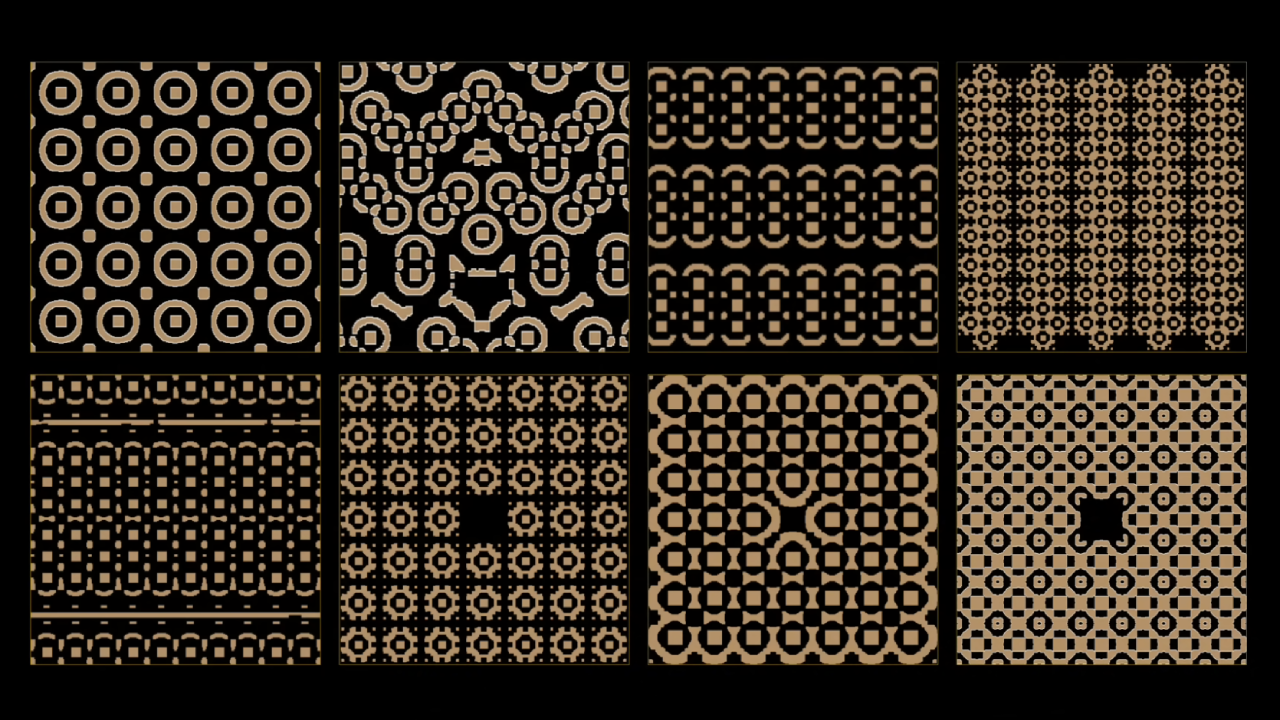
Computer chips are undoubtedly one the great wonders of the modern world, incredible feats of engineering. And just when you thought they couldn't get any more complex and intriguing, here comes Inverse Lithography Technology, or ILT, a weird and alien technology that promises to push chip design to yet higher levels of performance.
ILT is not, strictly, new. But according to YouTube channel Asianometry, it is being used in revolutionary new ways by chip manufacturer TSMC and Nvidia, everyone's favourite $5 trillion graphics chip company.
This is a complex story, but to précis the salient details, the use of extreme ultraviolet light to shrink down chip components to smaller proportions than ever before throws up some rather peculiar problems, leading to flaws when transferring the patterns contained in the lithography masks to the silicon wafers.
In simple terms, it comes down to the way the EUV light diffracts and distorts as it passes through the various lenses, reflectors and apertures of the mind-boggling complex ASML lithography machines used by TSMC to manufacture the most advanced chips. Using conventional chip production techniques, these can't all be controlled and corrected, resulting in defects and broken chips.
However, it turns out the mask design can be adjusted to compensate for these issues, something that chip makers have been doing for years, with ever increasing complexity.
For the most part, however, that approach has been essentially additive. Take the mask, add some small tweaks and features, iterate and repeat. But ILT is rather more radical. As the "I" for "inverse" implies, ILT uses AI to approach the problem from the opposite direction.
It starts by mapping the path of light through the lithography machine and how it reacts with the photoresist on the wafer. "Then, knowing that the chip pattern is what we want transferred to the wafer, it generates the optical mask image pixel by pixel," say Asianometry.
Keep up to date with the most important stories and the best deals, as picked by the PC Gamer team.
"Taken to the fullest extent, these post-ILT designs look alien, almost psychedelic," Asianometry continues. And you can see what they mean. Apparently, despite how weird these chip masks look, what ends up being printed is more likely to actually work, even with some defects.
As to how this is all possible, it's a combination of—yup, you guessed it—AI-powered analysis from Nvidia (dubbed cuLitho) and a newly engineered an
Source: PC Gamer