Ultimate Guide: Unfortunately, All Of That Doomsaying Last Year Was Correct And Ssd...
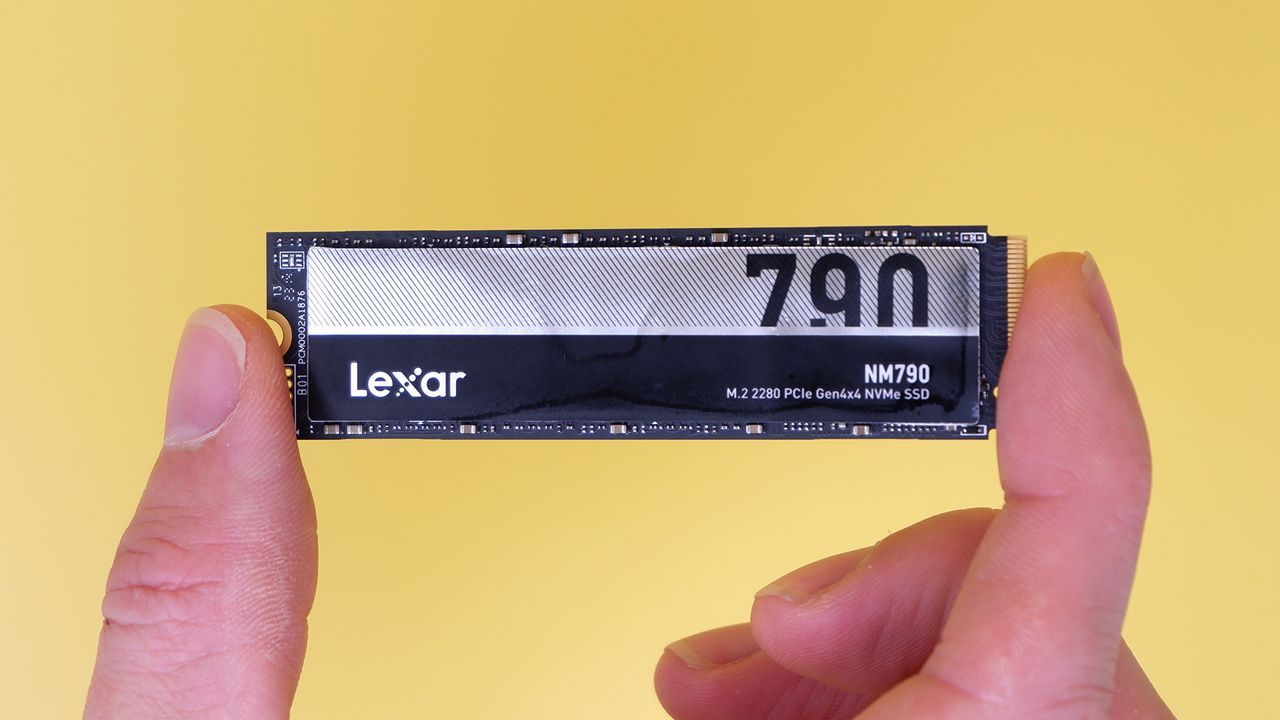
For the last year and a bit, I've sat down every Friday morning to update our guide to the best SSD deals for gaming. Today, I sat down for the first time in 2026, only to see that the memory supply crisis is well and truly having a knock-on effect on SSD pricing.
Our Jeremy has already been keeping an eye on surging PC hardware prices, but this morning presented a more recent example. I just wrote a deal post about the 1 TB version of the Lexar NM790 NVMe SSD which, today, is going for $118. Not terrible, right? Well, that's what I thought until I remembered I had in fact written about the same SSD back in October of last year—when it was only $66.
That is a close to 50% price increase in about four months. Even worse, this same drive cost almost $150 within the last month according to Amazon price tracker Camelcamelcamel.
The Lexar is far from the most egregious increase I've seen, with higher capacity SSDs more severely affected. For one extreme example, Best Buy is currently asking for over a grand for the 4 TB version of the WD_Black SN850X SSD. It's hard to rule this out as simply a listing error when Newegg is asking for $520 for the same drive. If we look back at my Amazon price tracker of choice, you can see an almost runaway spike from between November last year to now.
As for the 8 TB model of the WD_Black SN850X, that's now $1,080 at Newegg, an almost 55% price increase compared to when I last wrote about it in May. It's also important to note that this is all arguably older stock too, as none of these drives are sporting Sandisk's recent rebrand. The 8 TB version of the drive is out of stock on Amazon, but taking a peek at the price tracker reveals another massive spike beginning November 2025 and continuing into January 2026.
These are just a few examples, but it's clear that the realm of SSD now finds itself thoroughly caught up in the memory apocalypse. Long story short, as the AI industry builds more and more data centres (often in ill-advised climes for the hardware inside), it's going to need more and more system memory like DRAM, as well as storage media like SSDs. Moving at a swift clip and throwing a great deal of money around, that means a memory shortage for us normal folk, due to the limitations in manufacturing facilities. Perhaps worst of all, these surging prices are far from wholly unexpected either.
In October, Adata's Chen Libai observed that most major memory and storage technologies were experiencing a shortage for th
Source: PC Gamer