Upcoming Anno 117: Pax Romana Review
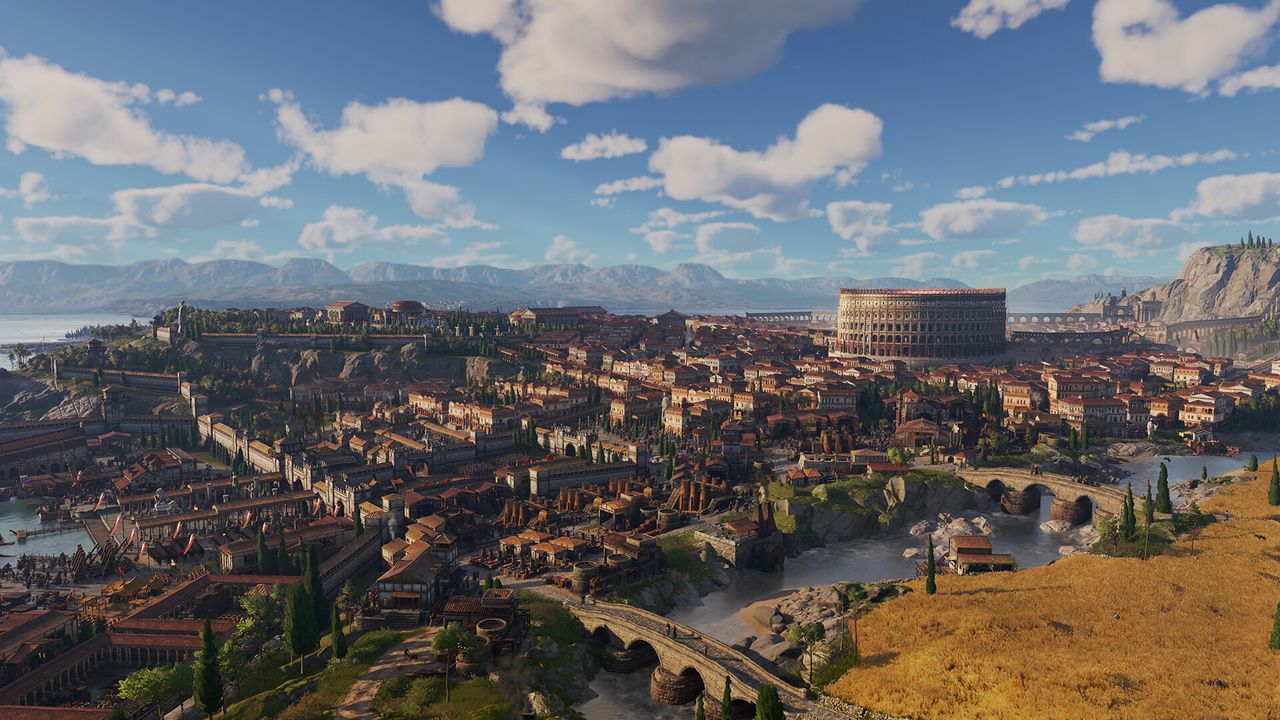
Polished city-building that goes the extra mile to create character and meaning to your block-dropping feats.
PC Gamer's got your back
Our experienced team dedicates many hours to every review, to really get to the heart of what matters most to you. Find out more about how we evaluate games and hardware.
It wasn’t built in a day, famously. But this latest Anno in a long-running series of accessible and endearingly twee city builders doesn’t take that old adage overly to heart. There’s complexity to its supply chains and economy, but it takes a ruthless writers’ pen (quill?) to the systems-bloat and perplexing menu rabbit holes found elsewhere in the genre. As a result, overseeing a burgeoning Roman territory feels far less like filling in a tax return than other city builders, and more like the power fantasy that we probably all showed up for in the first place.
What is it? A city builder in Roman sandals, with RPG-style dialogue trees.Release date November 13, 2025Expect to pay $60/£50Developer Ubisoft MainzPublisher UbisoftReviewed on i7 9700K, RTX 2080 TI, 16GB RAMSteam Deck TBALink Official site
The Pax Romana era was a golden age for the be-sandaled denizens of the Roman empire, full of peace, prosperity and neatly laundered togas. Developer Ubisoft Mainz uses this happy clappy context well for a bit of early game tutorialising, trotting you through some basic supply chain creation via a menu layout that will feel like stepping into worn-in old shoes to Anno 1800 players, but which Tropico or Cities Skylines veterans would find almost confrontationally straightforward: you begin by clicking on the resource you’d like your citizens to start making, then—from a pop-up menu which shows you the buildings required to make it—you drop the necessary structures into the world. Simplicity itself, and enough to make you wonder why almost every other game does this process in reverse.
There’s plenty of subtlety to even this most basic action, though. Placing those structures in positions that are both geographically close to the resources they need, close to each other, and in areas that might trigger productivity or happiness bonuses, is not easy to achieve, and introduces a nice puzzle-like wrinkle to the way you lay out your cities. It does mean that you eventually see your initial settlement for the trashpile of inefficiency that it is when you become better attuned to those variables, and will probably want to bulldoze the lot and start again, but
Source: PC Gamer