Veteran Game Developer Scott Miller Explains Why It Took 3d Realms...
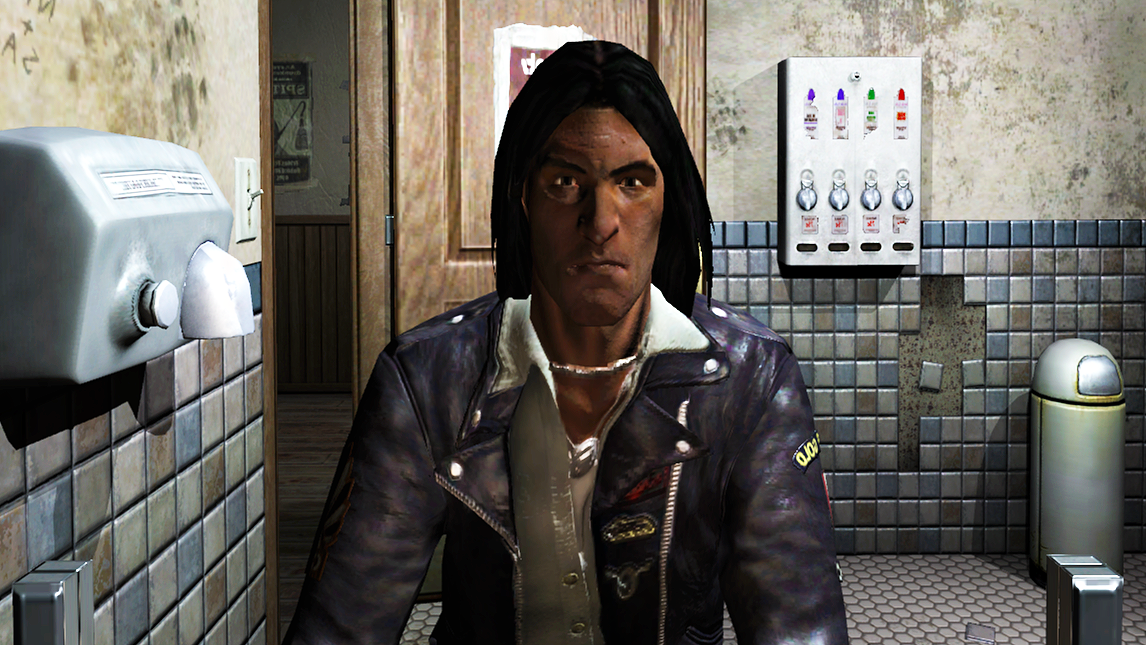
Rewind the clock to 2006, and PC gaming was witnessing the launch of one of the most ambitious but ultimately flawed sci-fi FPS games ever—one that had been in development for a whopping 11 years. No, we're not talking about Duke Nukem Forever, the game that would eventually launch after 14 years of development in 2011, but another FPS that has now been largely forgotten in the PC gaming sands of time.
That game was Prey, the now largely forgotten precursor to Arkane's completely non-related 2017 sci-fi FPS of the same name, an FPS that delivered a story about a Native American guy being abducted by aliens and his subsequent fight against them.
So far, so standard FPS, right? But where 2006 Prey differed from most FPS games of the time was in its creative ambition, not only 100% committing to a grand, movie-style narrative and a rich Doom 3 engine-powered world, but by also being absolutely stuffed to bursting with ideas and novel gaming mechanics. From pre-Portal portals and anti-grav walkways, through shrink-ray-style miniaturisation, and onto out-of-body spirit walking and dimension-hopping ghost children, there was very little that Prey didn't throw at gamers.
Not all of it stuck, that's for sure, and the further you progressed into Prey, the more standard it became as an FPS game. The final released version of Prey also didn't deliver on the original vision for the game, one where its portal-based gameplay was much more like Valve's, with the final release instead restricting the use of portals to pre-set areas and scripted events. However, regardless of this, Prey's opening half was a total trip, and that contributed to it receiving strong review scores at launch, including a very positive 87 per cent from PC Gamer magazine.
But why did it take so long to get Prey over the line? And why did the vision for the game change so much over its 11-year development cycle? Luckily for us, that question has now been answered, with veteran game developer and publisher Scott Miller speaking candidly about the Prey project on video to Apogee Software's X account.
🪶 @ScottApogee shares how PREY (2006) nearly broke the rules (and a few engines) on its way to release. pic.twitter.com/Tj0jYaL5JWNovember 4, 2025
Explaining what went down, Miller states that: "The team that did Rise of the Triad, they began working on their next game, which was Prey. This is when we had, like, a 1998 E3 demo that did super well. You know, we even had a portal gun that [was] kind
Source: PC Gamer