Gaming: 'we Lost Things Such As Physics In Games:' The Dev Behind My Most...
Keep up to date with the most important stories and the best deals, as picked by the PC Gamer team.
Your weekly update on everything you could ever want to know about the games you already love, games we know you're going to love in the near future, and tales from the communities that surround them.
Our special GTA 6 newsletter, with breaking news, insider info, and rumor analysis from the award-winning GTA 6 O'clock experts.
From the creators of Edge: A weekly videogame industry newsletter with analysis from expert writers, guidance from professionals, and insight into what's on the horizon.
Hardware nerds unite, sign up to our free tech newsletter for a weekly digest of the hottest new tech, the latest gadgets on the test bench, and much more.
Sign up to our new Switch 2 newsletter, where we bring you the latest talking points on Nintendo's new console each week, bring you up to date on the news, and recommend what games to play.
Get sneak previews, exclusive competitions and details of special events each month!
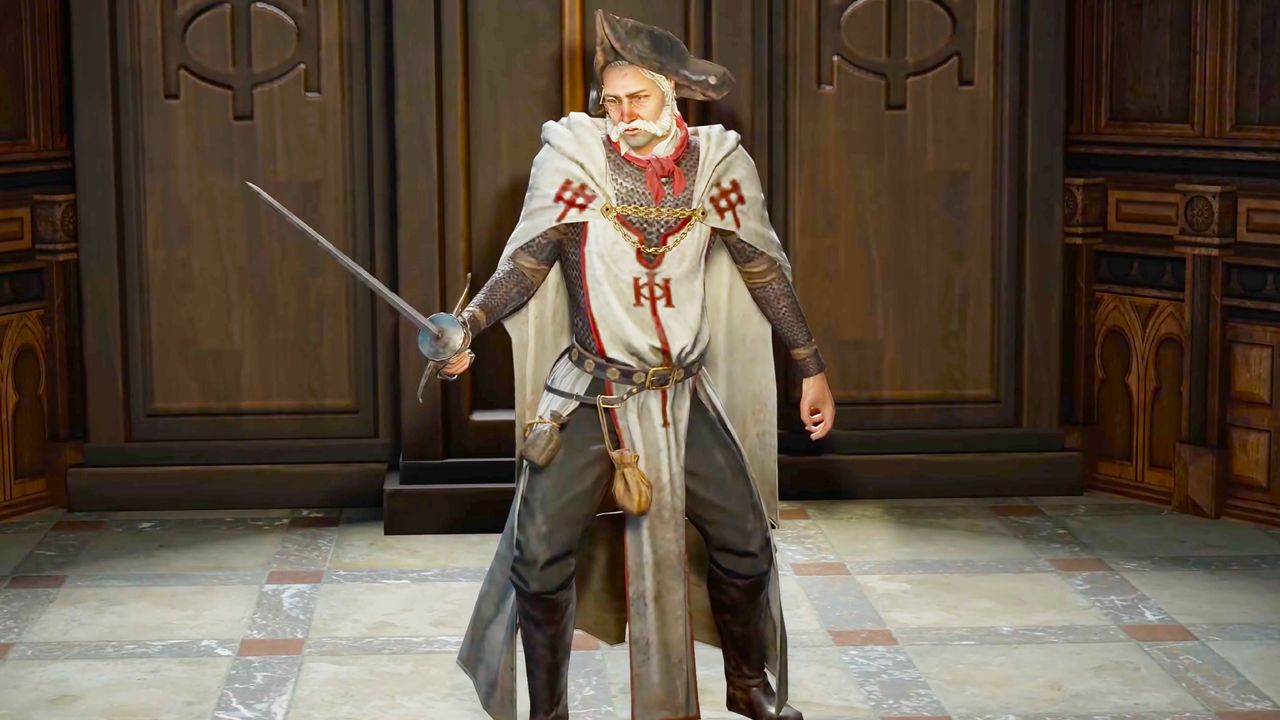
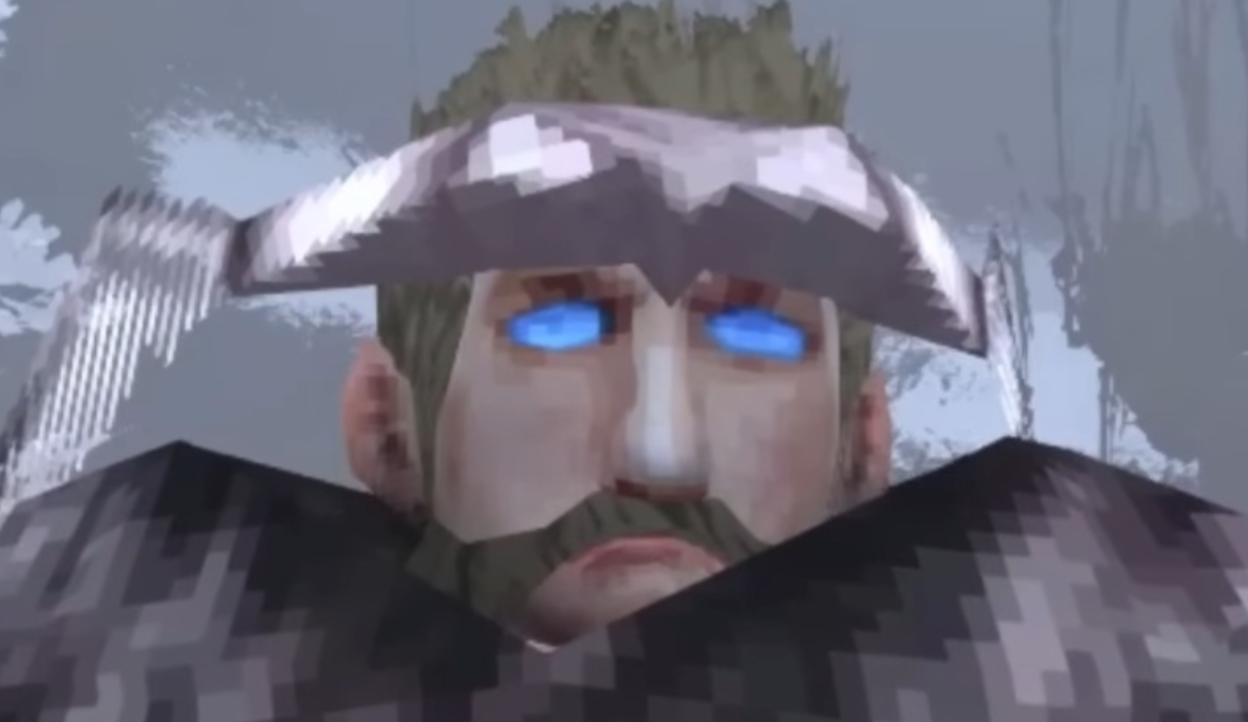
Csaba "ForestWare" Székely's Sword Hero is one of the most exciting upcoming games: An ambitious, open-ended RPG with complex NPC behaviors, physics interactions, and emergent gameplay—the Hungarian developer affectionately referred to it as a "eurojank" game, a label applied to ambitious, but often flawed attempts by European developers to replicate or advance '90s PC design sensibilities.
Despite its slightly derogatory connotation, I've had this growing feeling that eurojank has won. Larian, CD Projekt, IO Interactive, and GSC Game World are just a few outfits that were second-tier studios putting out cult classics in the 2000s, and now they're on top of the industry while many titans of the PS2 and Xbox 360 generations are struggling.
Imagine telling someone in 2007 that, in the coming decades, Mass Effect studio BioWare would slowly fade, while RPGs would come to be defined by the makers of Divine Divinity, or the company that adapted a Polish fantasy novel series into a weird, cult RPG. I asked ForestWare what he thinks of the recent resurgence of complex, systemic single-player games vs. ones with shinier production values and tighter presentation.
Source: PC Gamer