We Need To Commit—it's Time Crunchy, Complicated Rpgs Made Their...
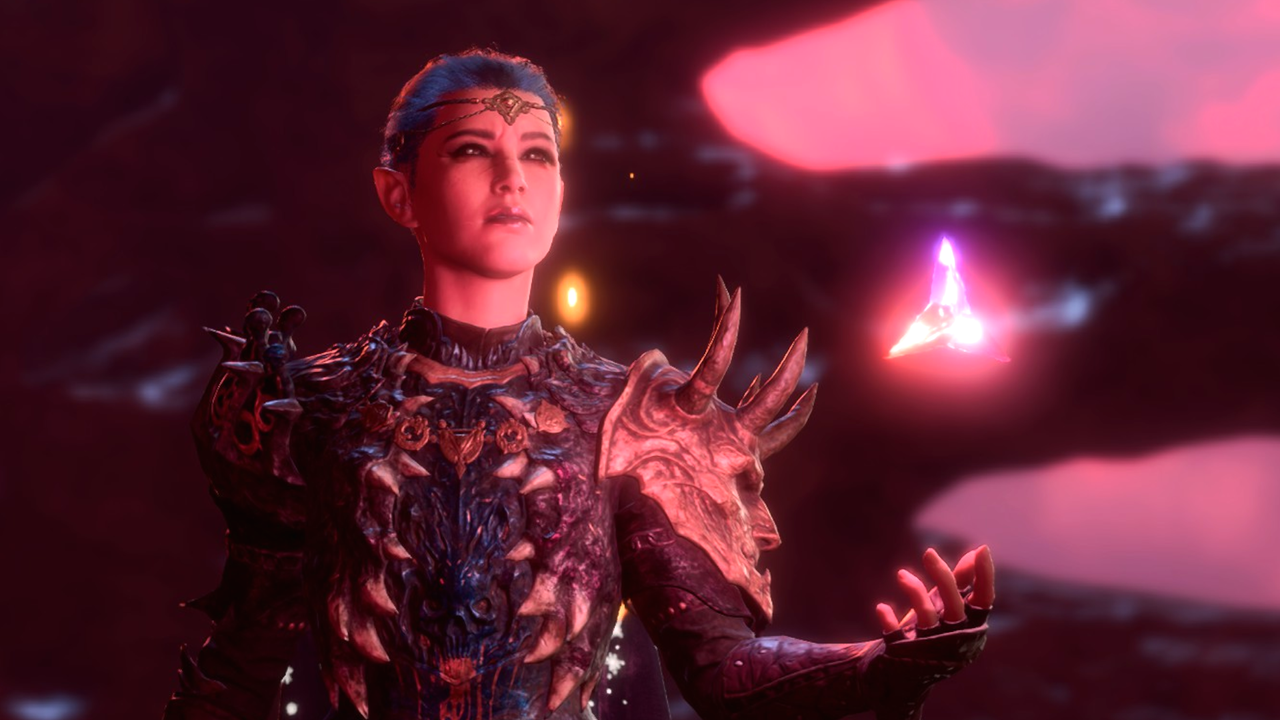
Last week I was: Celebrating Final Fantasy 14 finally giving us fashion-forward WoLs what we want, pondering the role of mods in MMOs.
I'll be honest, I've never really understood the 'RPG to action game' pipeline that many popular series—and studios—have gone through. Consider Dragon Age; born as a CRPG, forced to live through little chips and nicks that turned it into a third-person action game with RPG elements.
I mean, I get it on paper. Action games have more mainstream appeal, so sayeth industry wisdom. If you want huge, big-budget successes, the best way to spoil those dreams is to brain newcomers over the dome with a character sheet, or gross them out with an orb-based skill tree that looks more like a trypophobia trigger than a UI element.
But as we've gone on, I'm growing less and less convinced that this idea—that we simply cannot handle anything more difficult, or it'll hurt our walnut gamer brains—was ever true. At the very least, it's not true right now.
Before I get stuck in, I want to define what I mean by "crunch", which is a TTRPG term I'm cribbing for this article about videogames, and there's nothing you can do to stop me.
Crunchy systems are typically three things: They're granular, in that the rules get into specific detail, and you're given a lot of insight into how those rules work. They're complex, in that you have a wide range of builds and playstyles to pick from. And they're meaningful, in that the choices you make about your character have an appreciable impact in how you can approach the system—and, crucially, it's possible to get it wrong to a point where you might have a harder time.
In videogames, granularity usually manifests in gnarly, spiderwebbing skill trees and modifier-flooded menus. Complexity usually walks hand-in-hand with this, but it can also crop up with more streamlined perks systems as long as those perks are actually impactful; meaningful choices can appear either as part of character-building systems or in the open-ended approaches of the immersive sim. The core thread being, knowledge is power.
Games at the deep end of this spectrum, possessing all three in spades, are those oldschool CRPGs based (suitably) off those crunch-laden TTRPG systems of eld: Baldur's Gate 1 and 2, and Neverwinter Nights, for example. All increasingly unpopular, if you're to believe the bigwigs.
Keep up to date with the most important stories and the best deals, as picked by the PC Gamer team.
Per Dragon Age series creato
Source: PC Gamer