Crypto: Why Address Poisoning Works Without Stealing Private Keys 2026
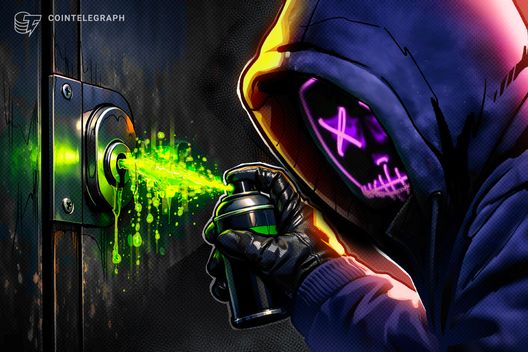
Address poisoning works by cluttering your transaction history with fake entries, tricking you into sending funds to a scammer’s address by mistake.
Address poisoning exploits behavior, not private keys. Attackers manipulate transaction history and rely on users mistakenly copying a malicious lookalike address.
Cases such as the 50-million-USDT loss in 2025 and the 3.5 wBTC drain in February 2026 demonstrate how simple interface deception can lead to massive financial damage.
Copy buttons, visible transaction history and unfiltered dust transfers make poisoned addresses appear trustworthy within wallet interfaces.
Because blockchains are permissionless, anyone can send tokens to any address. Wallets typically display all transactions, including spam, which attackers use to plant malicious entries.
Most crypto users believe that their funds stay secure as long as their private keys are protected. However, as a rising number of scams show, this is not always the case. Scammers have been using an insidious tactic, address poisoning, to steal assets without ever accessing the victim’s private key.
In February 2026, a phishing scheme targeted a Phantom Chat feature. Using an address poisoning tactic, attackers successfully drained roughly 3.5 Wrapped Bitcoin (wBTC), worth more than $264,000.
In 2025, a victim lost $50 million in Tether’s USDt (USDT) after copying a poisoned address. Such incidents have highlighted how poor interface design and everyday user habits can result in massive losses.
Prominent crypto figures like Binance co-founder Changpeng “CZ” Zhao have publicly urged wallets to add stronger safeguards following address poisoning incidents.
This article explains how address poisoning scams exploit user behavior rather than private key theft. It details how attackers manipulate transaction history, why the tactic succeeds on transparent blockchains and what practical steps users and wallet developers can take to reduce the risk.
Source: CoinTelegraph