Crypto: Why Wrench Attacks Are Becoming One Of The Most Violent Forms Of...
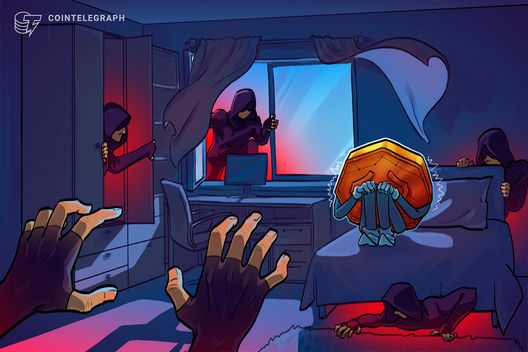
In January 2025, French authorities freed Ledger co-founder David Balland after kidnappers demanded a large ransom in cryptocurrency. The case illustrated what crypto crime can look like when it leaves the screen and becomes a physical hostage situation.
In fact, crypto-related disputes and theft are increasingly linked to real-world violence, including abduction attempts and ransom schemes designed to force victims to hand over access.
That is the logic of a wrench attack. Instead of hacking a wallet, criminals use threats or force to make the holder unlock it or send the funds themselves.
Scams and hacks still dominate in volume, but some of the most violent incidents increasingly involve coercion. So, why is this happening now, and why is it accelerating?
A wrench attack is a physical-world crime in which attackers use threats or violence to force a crypto holder to hand over access by revealing credentials, unlocking a device or authorizing a transfer.
In short, it is an attempt to obtain cryptocurrency by attacking the person, not the cryptography.
The label comes from a well-known Xkcd comic. When encryption is strong, the shortcut becomes coercion, such as hitting someone with a wrench. The term stuck because it captures what makes these incidents feel like a step change from most crypto theft. The attacker does not need an exploit, only proximity and leverage over someone’s daily life.
Did you know? The term “wrench attack” is widely linked to Xkcd comic #538, titled “Security.” The strip jokes that when a laptop is strongly encrypted, an attacker may skip breaking the math and instead rely on coercion — the infamous “$5 wrench” shortcut.
The short answer is that both can be true at once, and the data requires careful reading.
Haseeb Qureshi of Dragonfly, having analyzed Jameson Lopp’s incident log, argues that reported wrench attacks have risen over time and that the average incident has become more severe in recent years.
Source: CoinTelegraph


