Gaming: Intel Core Ultra 7 270K Plus review
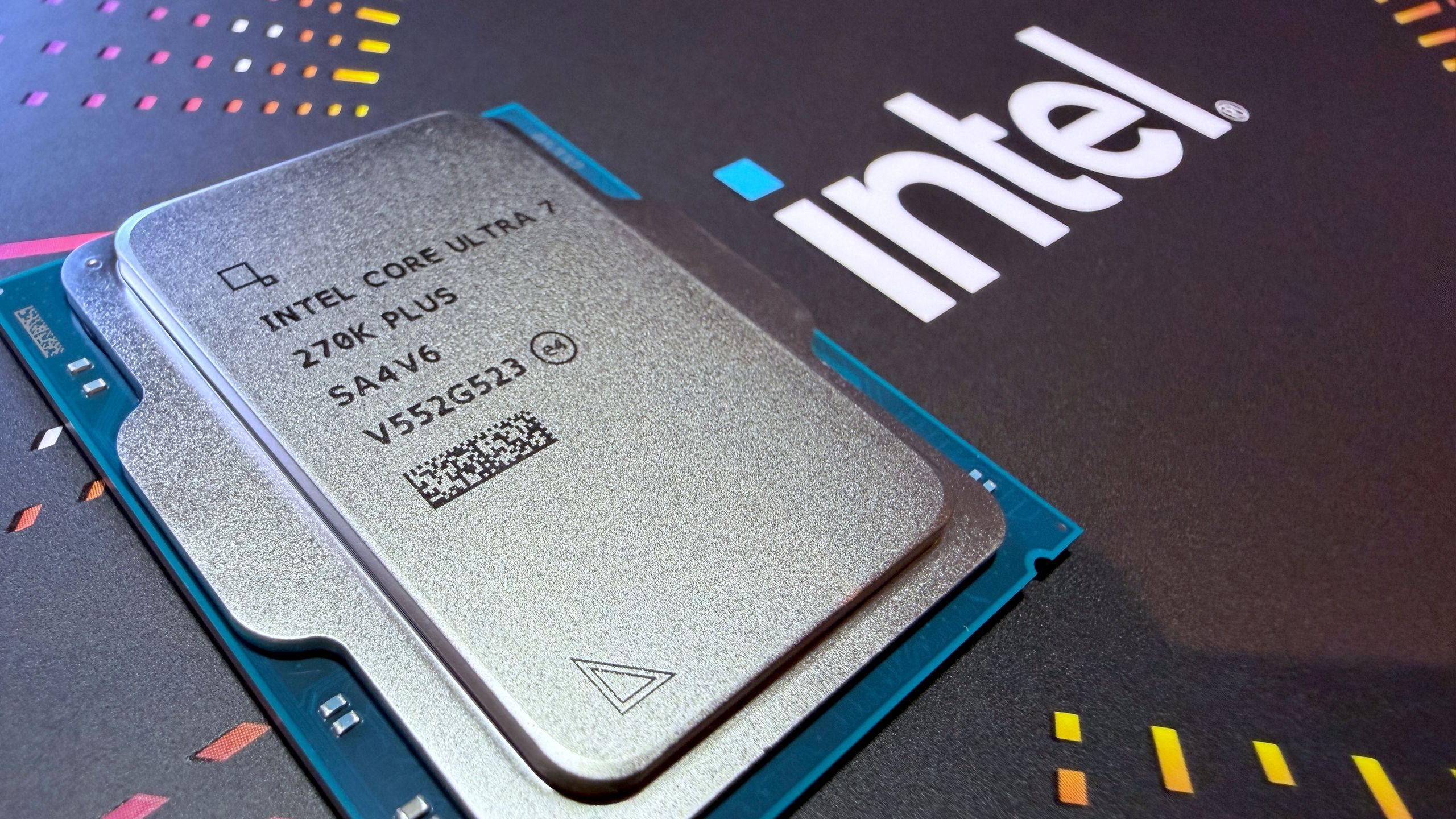
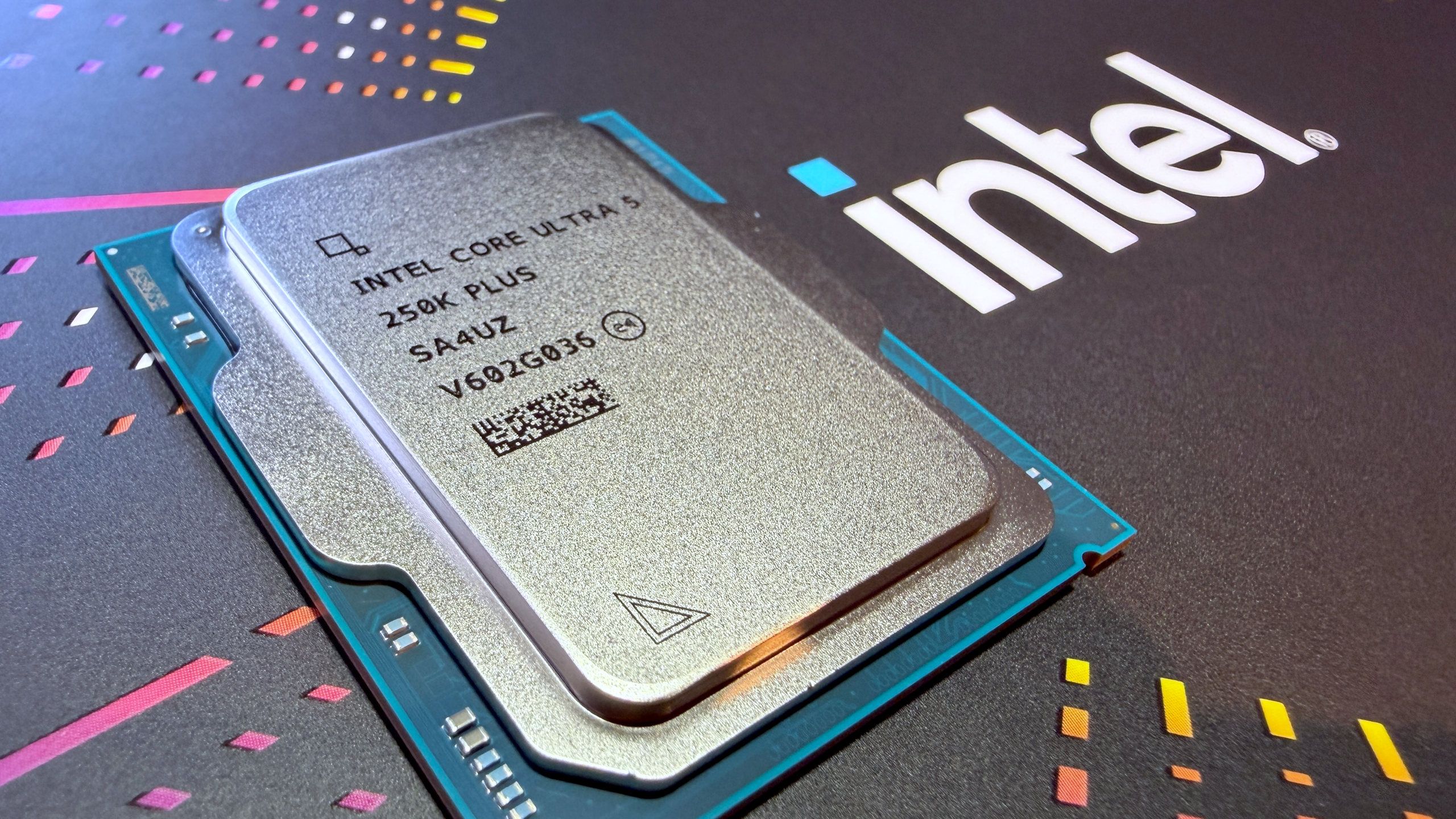
For a 'mere' refresh, Intel has worked wonders with its Arrow Lake tiles, clocks, and configurations to make the Core Ultra 7 270K Plus. The performance and price tag are both very appealing, and it's easily Intel's best desktop processor. It also happens to be one of the best all-round chips you can buy. PC Gamer's got your back Our experienced team dedicates many hours to every review, to really get to the heart of what matters most to you. Find out more about how we evaluate games and hardware. There's nothing new about a processor architecture being 'refreshed', as AMD and Intel have been doing this for years, but where you'd normally expect a particular SKU line to get nothing more than some minor clock speed bumps and a sparkly new badge, Intel has done things a little differently for its Core Ultra 200S Plus chips, i.e. Arrow Lake Refresh. For a start, you're only getting two new processors, the Core Ultra 7 270K Plus under review here, and the Core Ultra 5 250K Plus. In the case of the former, the family name (Ultra 7) would suggest that it's merely a Core Ultra 7 265K with a bump to its clock speeds, but that's not the case. The 270K Plus sports eight P-cores and 16 E-cores (i.e. a full Arrow Lake compute tile), exactly the same as the Ultra 9 285K, and has higher maximum clock speeds for the P and E cores: 5.5 and 4.7 GHz, respectively. The 265K's figures are 5.2 and 4.6 GHz, so you're getting no more than 6% faster P-cores and just 2% speedier E-cores. However, Intel has also given Arrow Lake's other clocks a healthy bump, too. The maximum D2D (die-to-die) clock speed has been increased by an enormous 900 MHz (2.1 to 3.0 GHz), with the NGU (Next Generation Uncore) clock raised by a smaller, but still decently sized, 400 MHz (2.6 to 3.0 GHz). Cores (P+E): 8+16Threads: 24Base clock: 3.7 GHz (P-core)Boost clock: 5.7 GHz (P-core)L3 Cache: 36 MBL2 Cache: 40 MB (Total)Unlocked: YesMax usable PCIe lanes: 24Graphics: Intel Graphics (4 Xe cores)Memory su
Source: PC Gamer