Gaming: Intel VP says future sockets should last longer and support more CPU generations
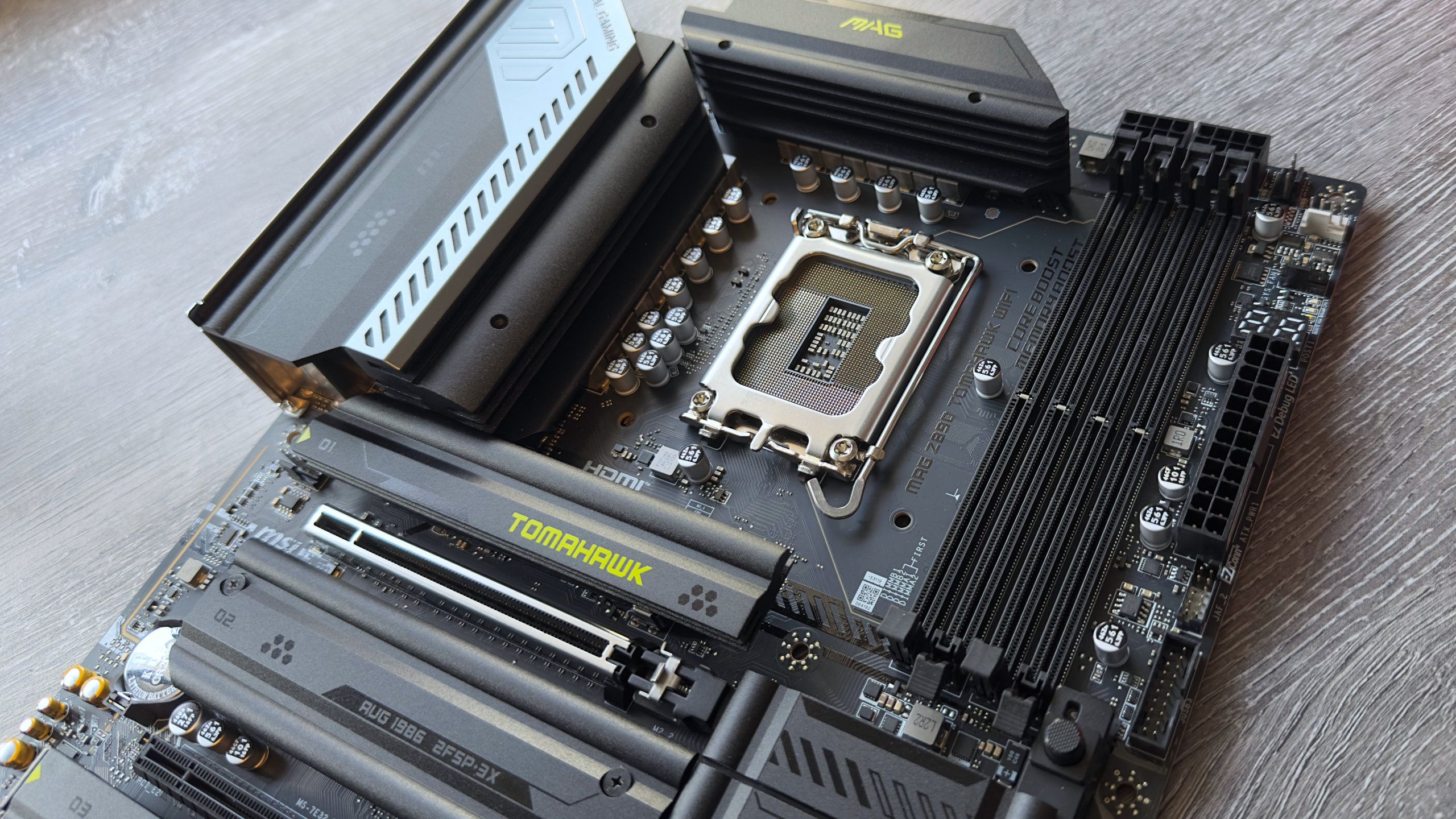
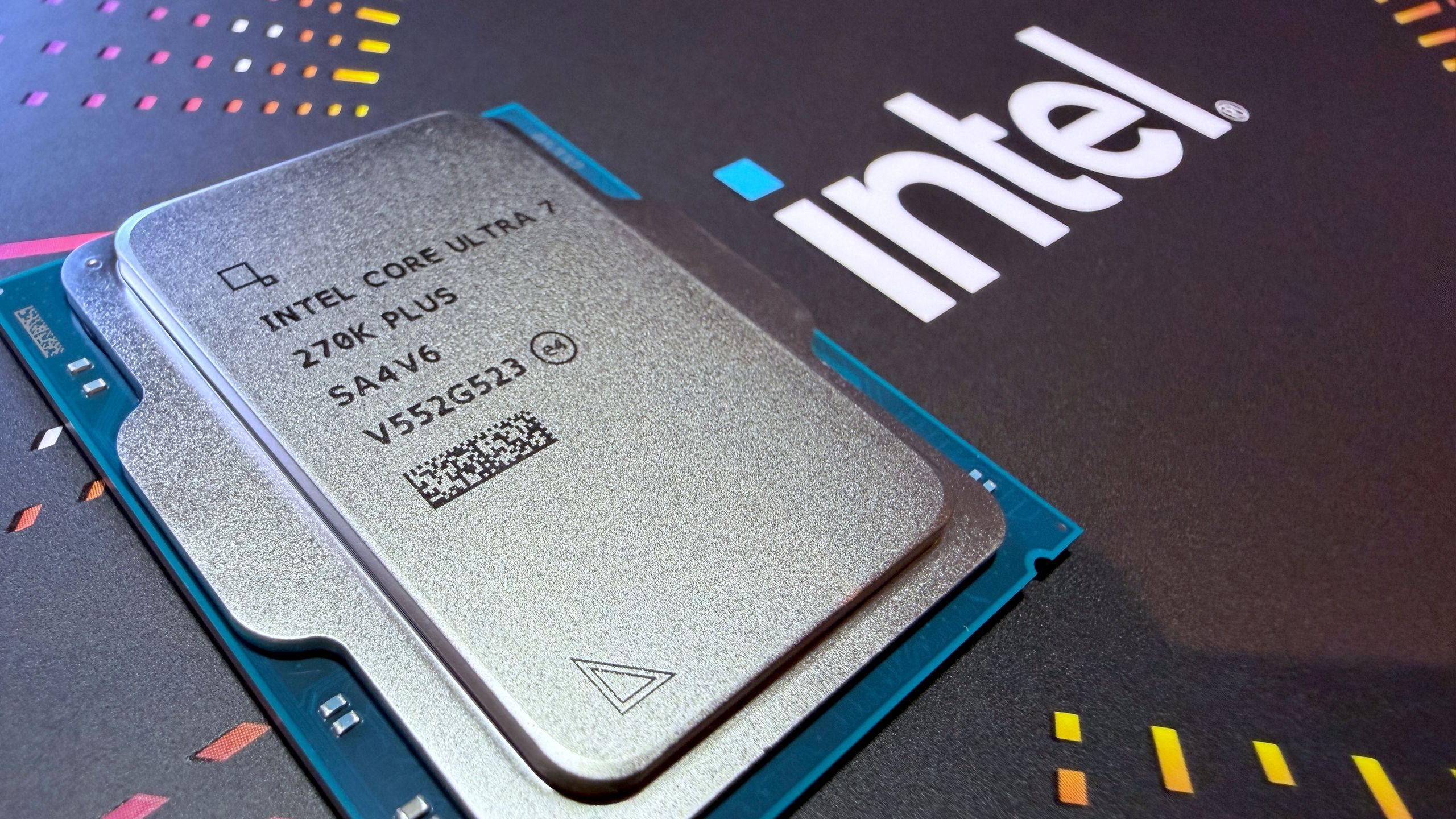
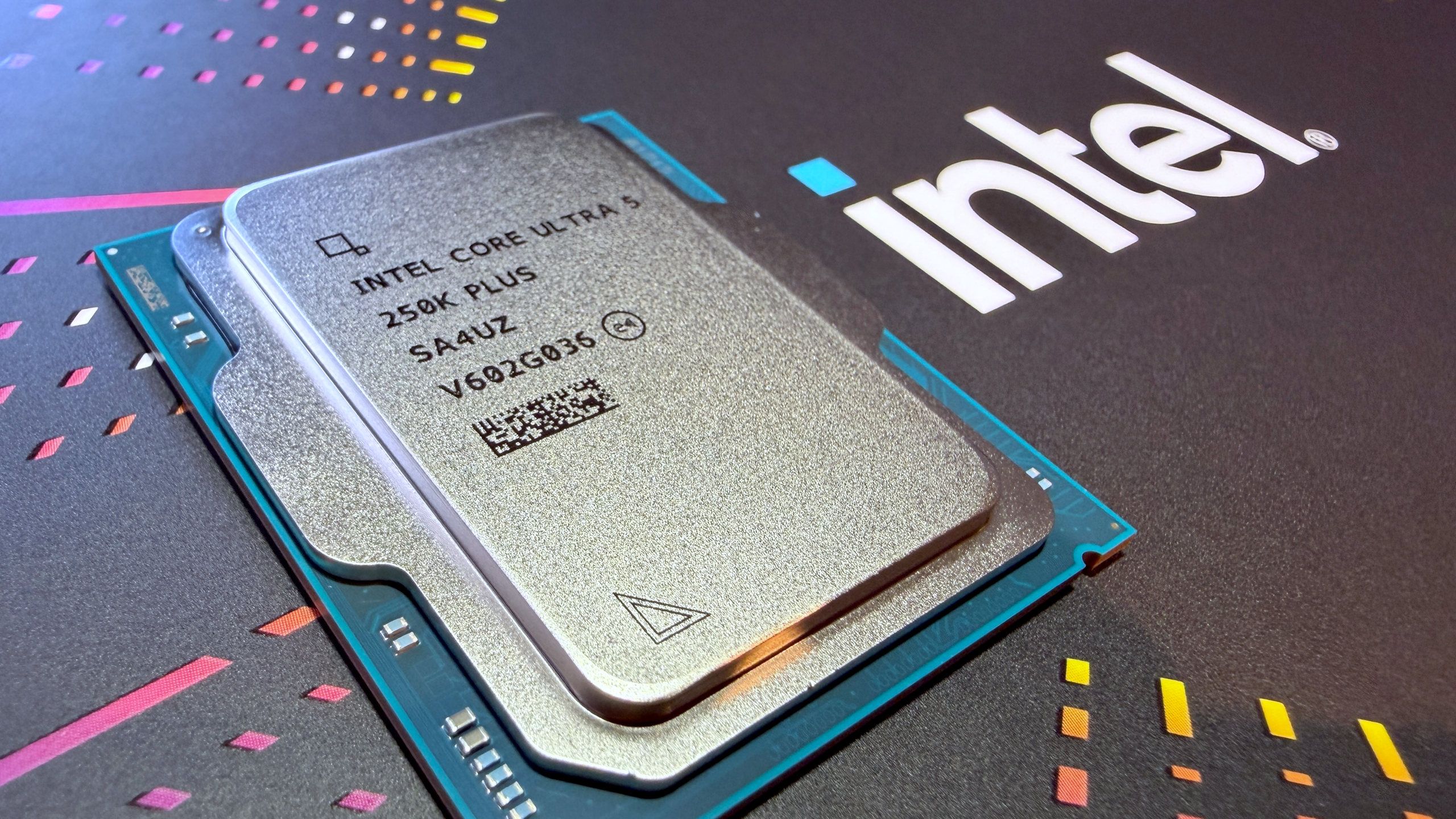
This could make Nova Lake a platform really worth investing in. Keep up to date with the most important stories and the best deals, as picked by the PC Gamer team. For many years of back-and-forth between Intel and AMD, one thing has remained pretty certain: if you want platform longevity, you stick with the latter, because Intel changes sockets faster than I get through a pack of Leibniz butterkeks (very fast). But perhaps not for much longer, because Intel's Enthusiast Channel VP and GM, Robert Hallock, has just hinted he expects longer lasting motherboard sockets. When asked by Club386 whether he sees Intel sockets supporting more CPU generations in future, he responded "I do. That’s it—I do." Admittedly this is just one man's opinion, but the man in question, Hallock, should have a ton of sway over the way things go given he's VP/GM of the 'enthusiast channel.' He was previously director of technical marketing at AMD, following other roles at the same company, so it's hardly surprising that he's taking socket longevity, traditionally a staple of AMD platforms, seriously. Intel's existing Arrow Lake (Core Ultra 200S) and Arrow Lake Refresh desktop chips slot into motherboards with an LGA 1851 socket. It looks like the upcoming Nova Lake (Core Ultra 300S) will use a new LGA 1954 socket. This means anyone looking to upgrade from Arrow Lake to Nova Lake will need to get a new motherboard, too. This is a familiar story for Intel CPUs. One of the reasons to opt for a current-gen AMD CPU is because AMD is expected to keep using its AM5 socket for next-gen Zen 6 CPUs, as it promised support for the socket through 2027 and beyond. It's not even a bad shout to opt for a cheap Ryzen 5000-series AM4 build if you're on a tight budget, because you can upgrade to something like a Ryzen 7 7800X3D that uses the same socket. The AM4 socket lasted for four generations of CPUs. AM5 is the way to go if you can afford it, though; and the DDR5 memory to go with it.
Source: PC Gamer